Real Wall Hacks Built From Sensors Anyone Can Buy
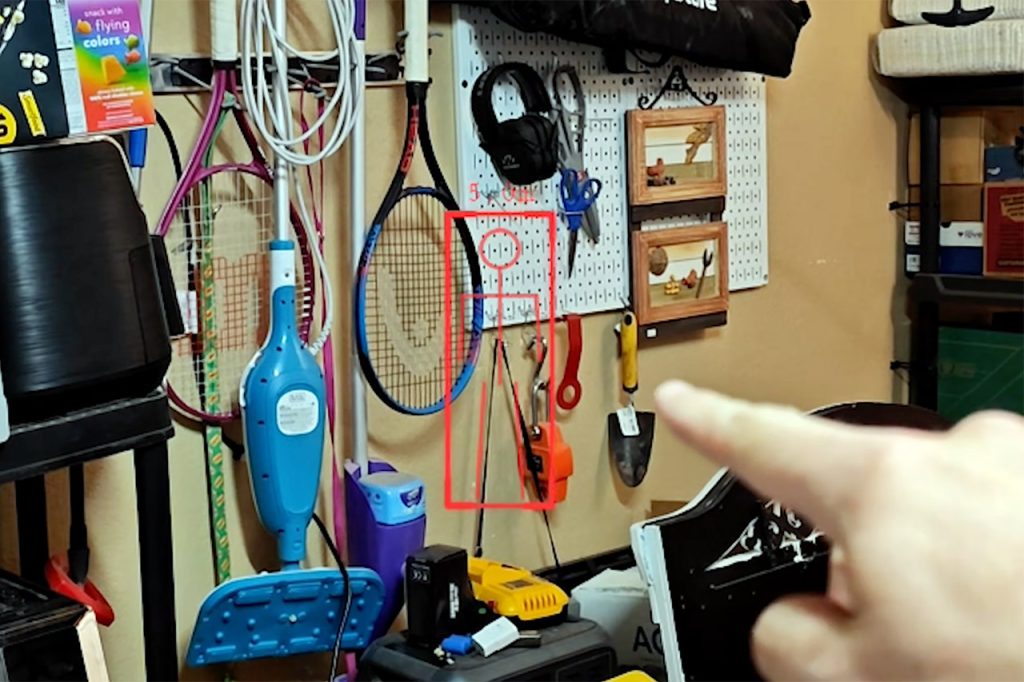
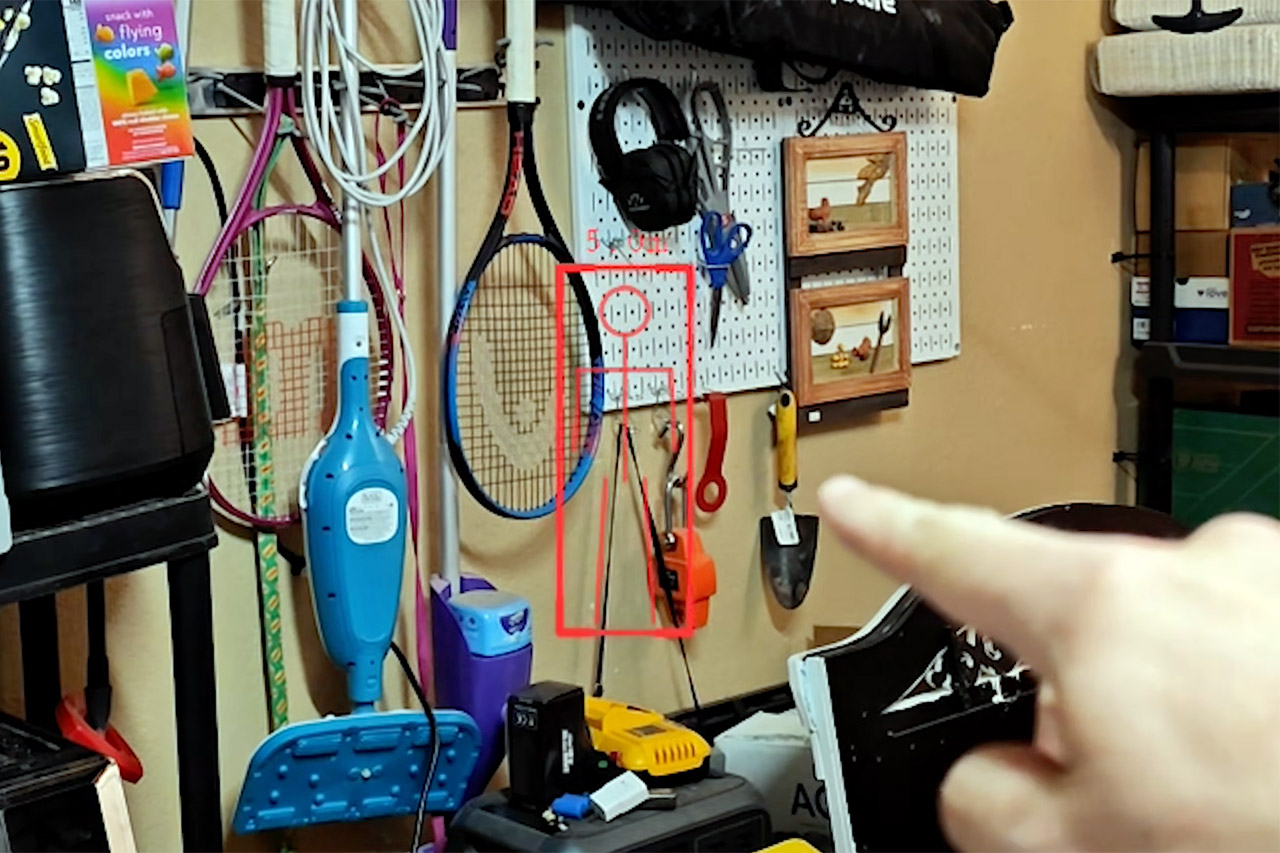
Wall hacks have been a staple of multiplayer games for as long as anyone can remember, but Nick from the YouTube channel Basically Homeless decided to see how close he could get to building one in real life. Using relatively affordable off the shelf equipment, he set out to detect movement on the other side of a wall using nothing but radio waves, and what he ended up with is the kind of thing that would feel right at home in a spy thriller.
He began with a low-cost millimeter wave sensor, which sends out waves and listens for reflections that bounce back off individuals even while they’re sitting immobile like a mouse. Nick connected this sensor to a tiny computer board and, with some clever wiring, got the data to stream across a wireless network to a display. Surprisingly, his first test revealed that the thing could follow a human going behind cardboard boxes quite well.
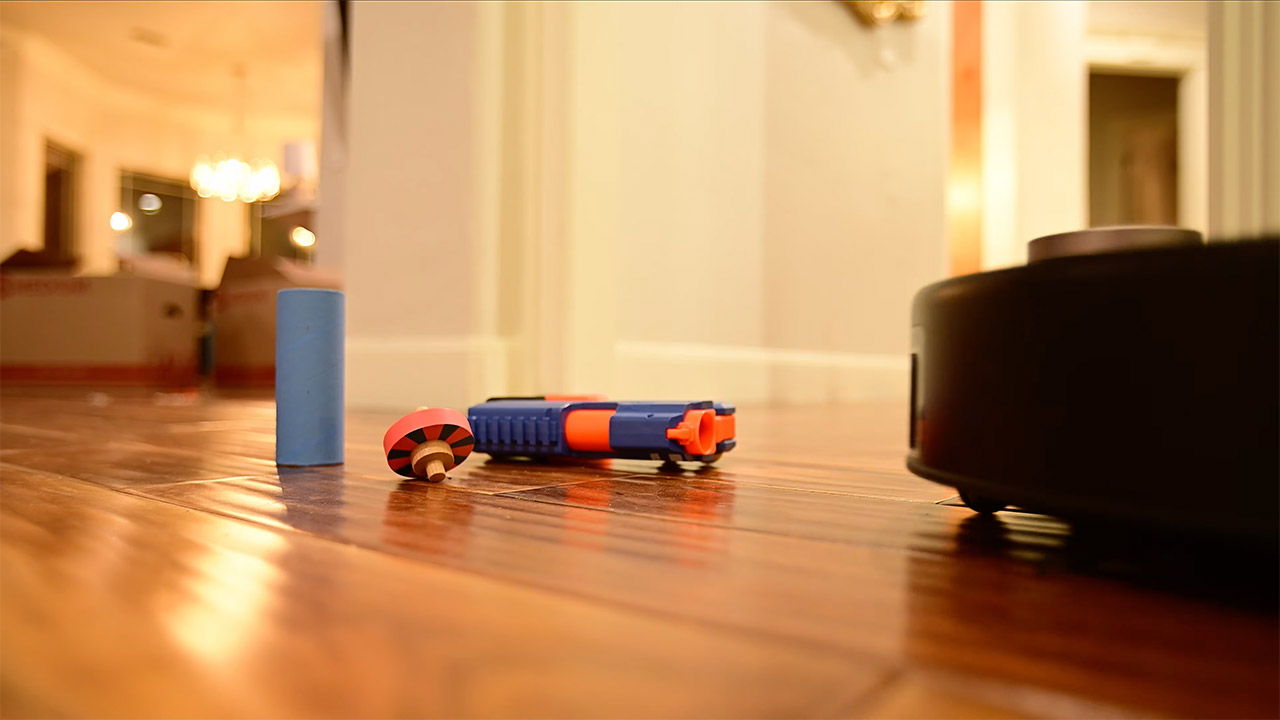
Getting accurate coverage meant mapping out the layout of the house first. He started by measuring everything by hand before eventually letting his robot vacuum handle the job during one of its regular cleaning runs. A dozen sensors placed strategically around the living space gave him full coverage, with the software stitching it all together into a basic real time map showing where everyone in the house was located at any given moment. Nothing fancy, just a handful of colored dots, but the concept was working.
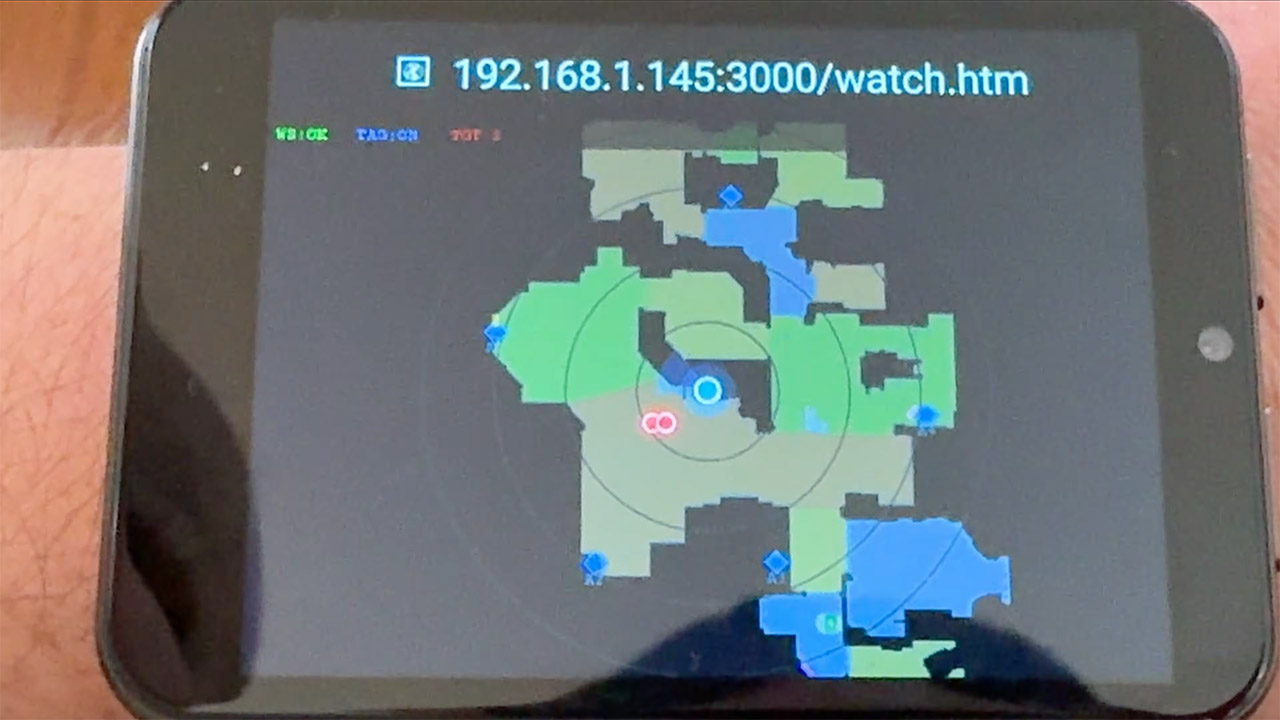
To make it even easier to see where everyone was, Nick strapped a display to his wrist so he could simply glance down and see the map, and the results were pretty cool; family members could move around without being seen directly, even though they were in the same room. The following round of development took things a step further, as he connected everything to an average smartphone and even got it to function with augmented reality.
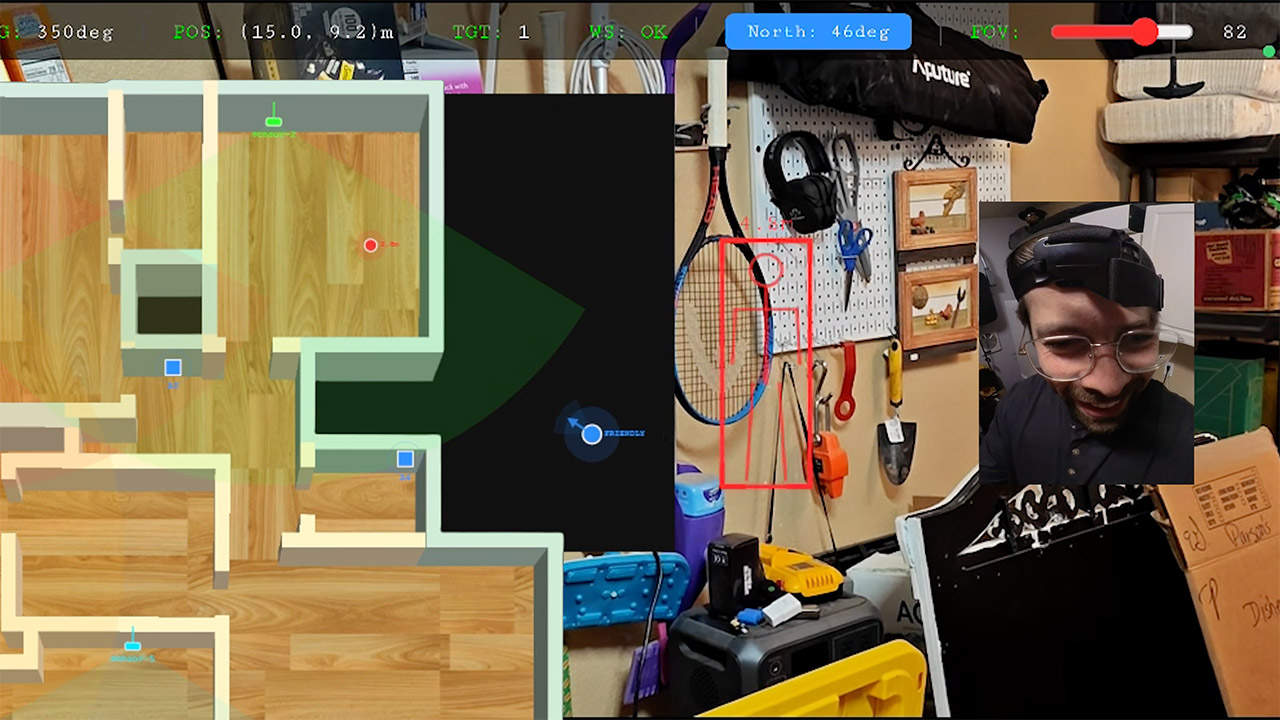
Through the phone’s camera he could see the room in front of him, with anyone hidden from direct view highlighted by an outline drawn around them in real time. Getting the phone to accurately place itself within the space required a little extra work though. Nick installed ultra-wideband anchors around the house, essentially indoor GPS units that track position with far greater precision than a standard wireless signal. With those in place the software could pull data from every sensor in the house, filter out any readings too close to the person holding the phone to avoid false positives, and land on a position that was accurate around 99 percent of the time.
[Source]
Real Wall Hacks Built From Sensors Anyone Can Buy
#Real #Wall #Hacks #Built #Sensors #Buy