Fascinating Look Back at the Akai PJ-11, an Innovative Mini Stereo with Rotating Speakers from 1984
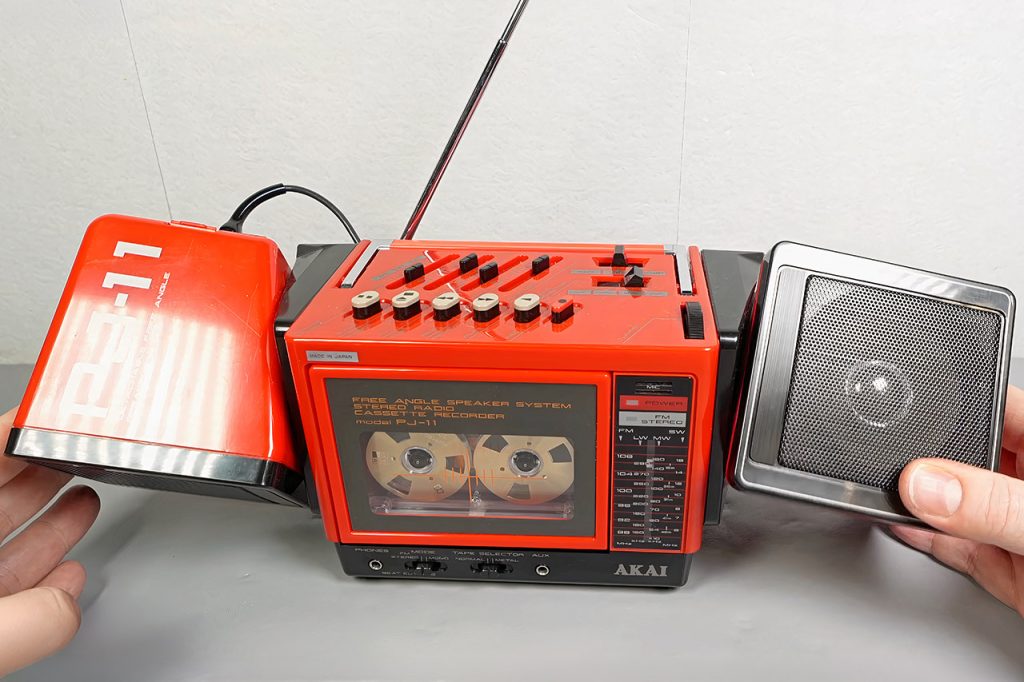
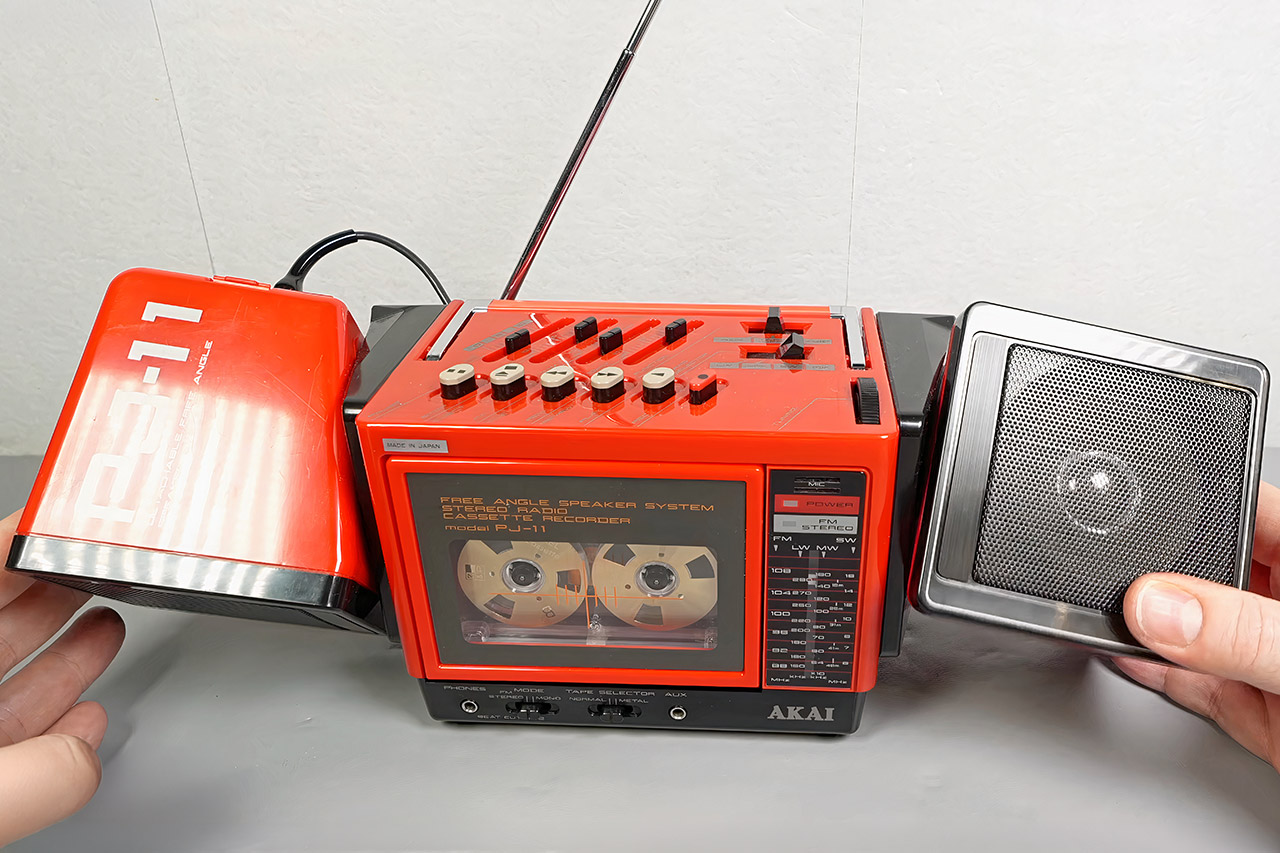
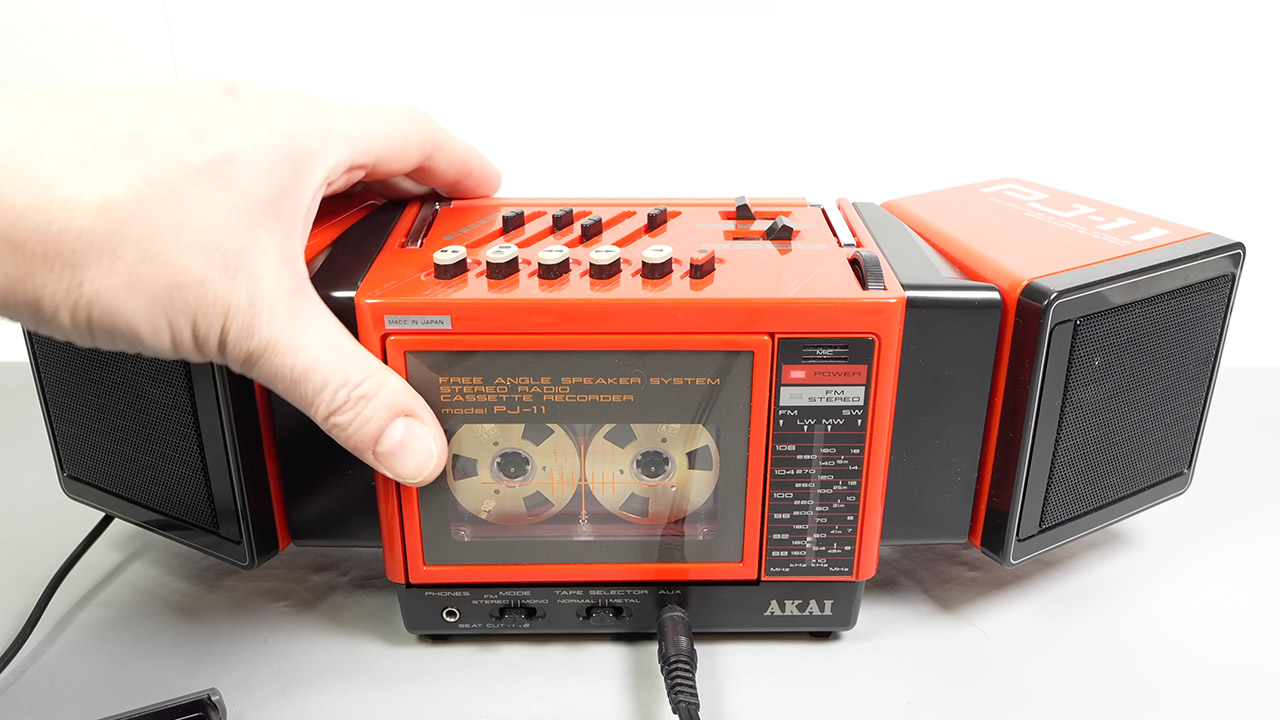
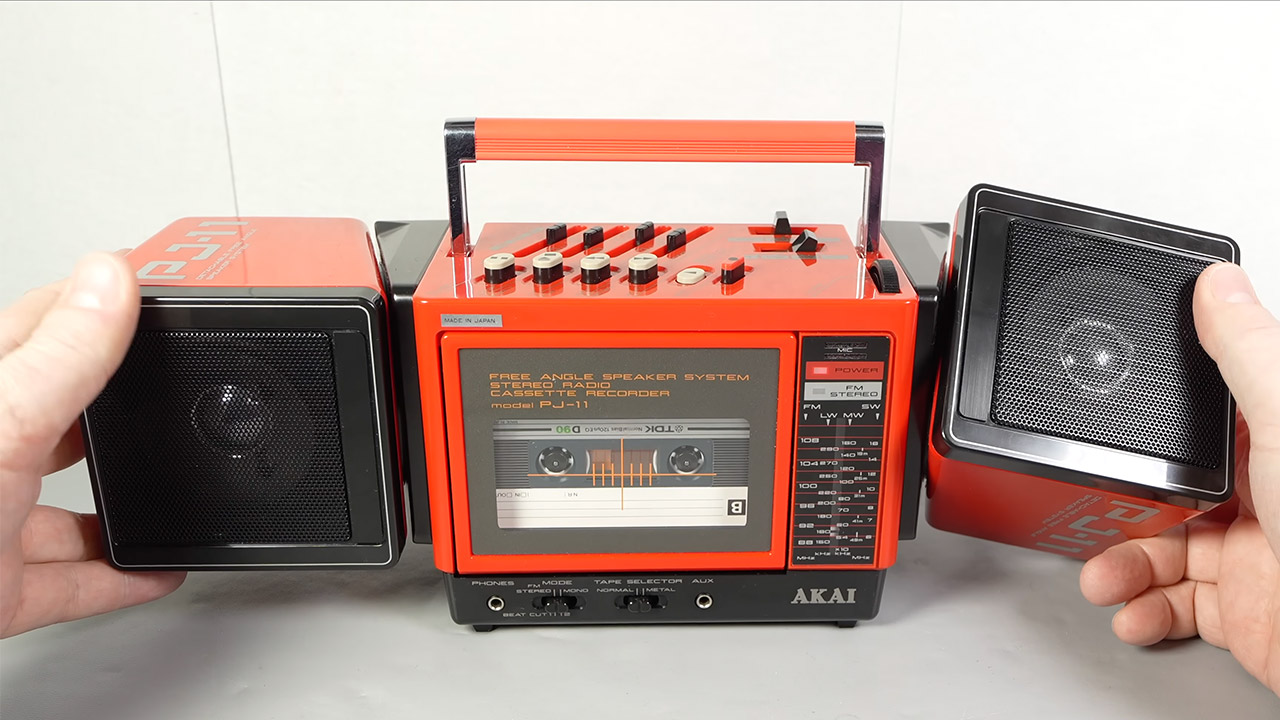
Back in 1984, Akai released the PJ-11, a compact stereo system that brought some fresh ideas to portable audio. Small enough to slip into a bag, it came with two independent speakers connected by cables that carried both power and audio signals, and those speakers could detach from the unit, lock into position at various angles, and be adjusted however the situation called for.
Each speaker could be swiveled precisely into position using 45 degree markers, giving you full control over where the sound was directed. Point them straight ahead for a traditional stereo image, tilt them upward for cleaner vocals, or angle them downward depending on the room. Flip them backward and the left and right channels swap, creating a surprisingly interesting effect in smaller spaces. The whole point was to put the sound where you actually were, rather than just firing it blindly forward the way most systems of the era did.
Sale

JBL Boombox 3 Black Portable Bluetooth Speaker with Massive Sound, Deepest Bass, IPX7 Waterproof, 24H…
- Massive sound and deepest bass: Enjoy your music with massive JBL Original Pro Sound. The new 3-way speakers deliver higher sensitivity of our…
- 24 Hours of play time: Celebrate every moment with the sounds you love. From your early morning workout to a late-night hang with friends, we’ve added…
- IP67 dust and water proof: To the pool. To the park. The JBL Boombox 3 is IP67 dustproof and waterproof, so you can bring your speaker anywhere, rain…
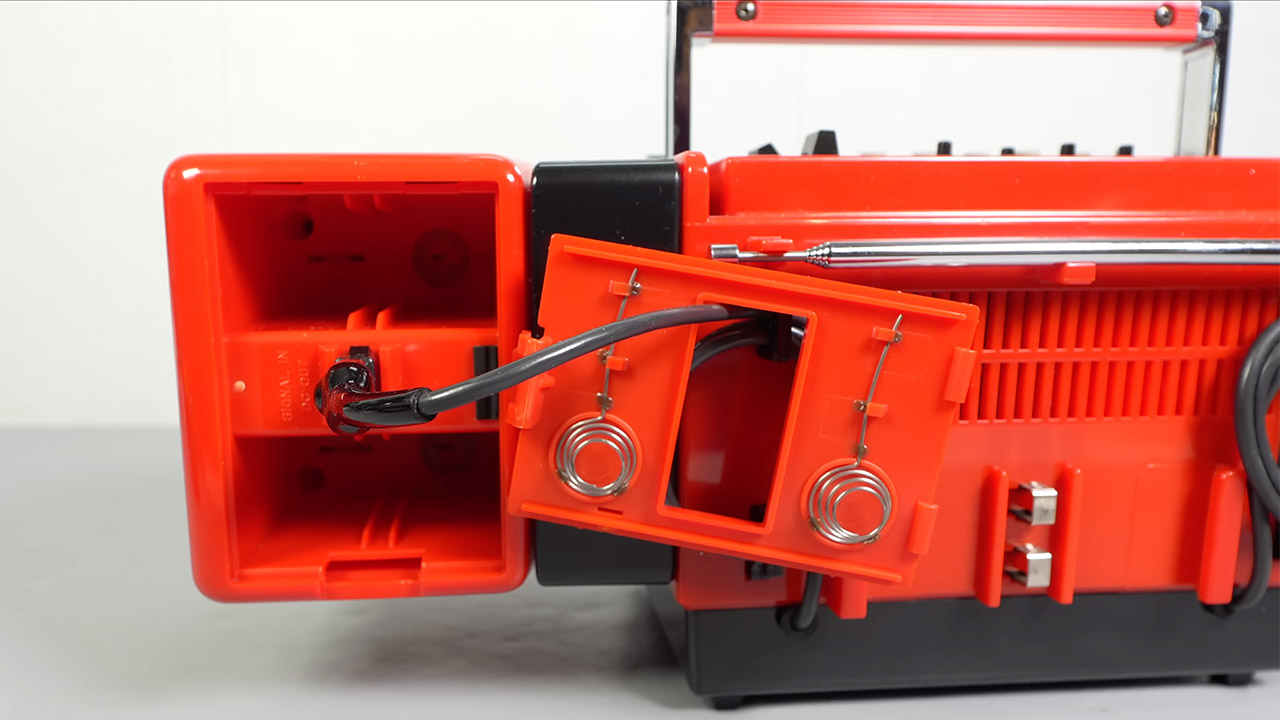
Battery power came from four C-cells tucked inside each speaker, meaning the full system ran on eight batteries when you were out and about. That added some noticeable weight, but it also gave the speakers a reassuringly solid feel in your hands. Back at home a separate power adapter plugged into the rear of the main unit, sliding into place on a dedicated rail to keep everything sitting level and stable on a shelf or table. Pull the adapter and speakers off and the whole thing becomes a genuinely compact grab and go setup with no extra bulk to worry about.
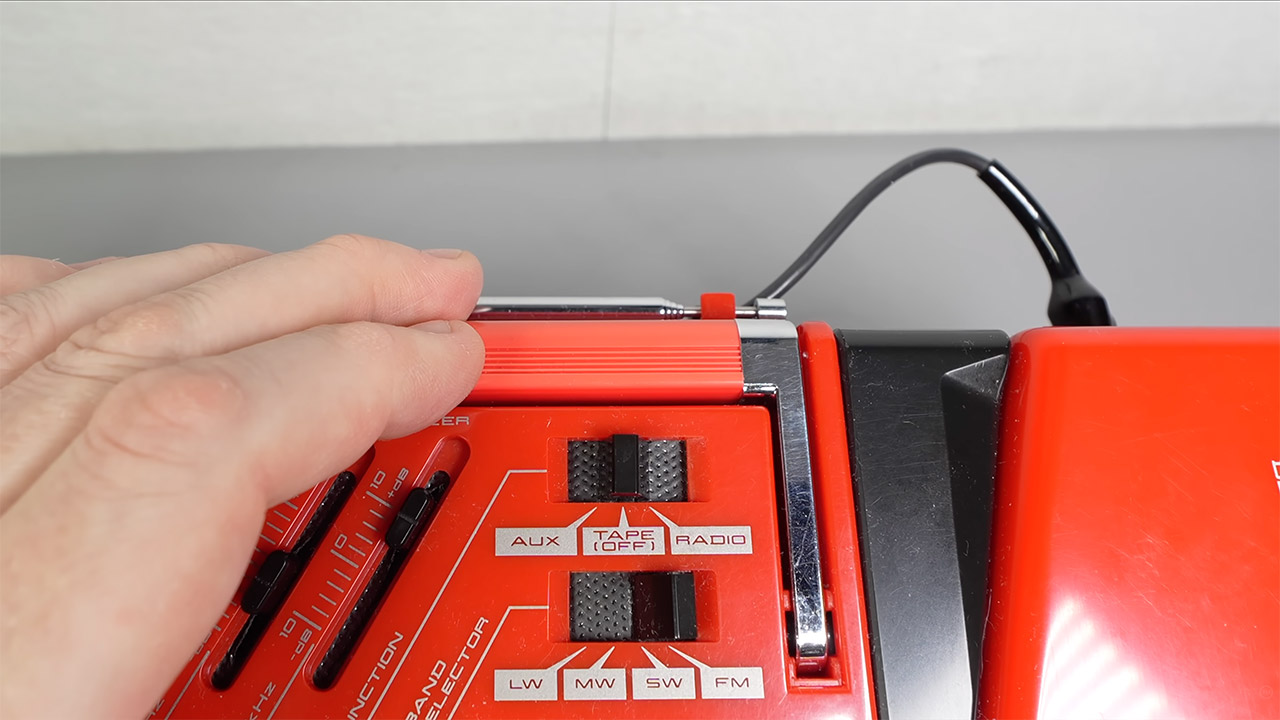
The front panel features four sliders that allow you to make rapid adjustments on the fly. On the left is your overall level, and the following three are a super simple graphic equalizer that allows you to shape the bass, midrange, and treble with a twiddle. One of the buttons opens the cassette door, but the mechanism itself is turned upside-down, so you may have to squint to figure out what’s what, especially if some of the labels on the controls appear a little strange as a result. There’s a separate metal tape playback lever, and the built-in mono microphone can easily record speech or ambient sound, automatically adjusting the settings so you don’t have to.
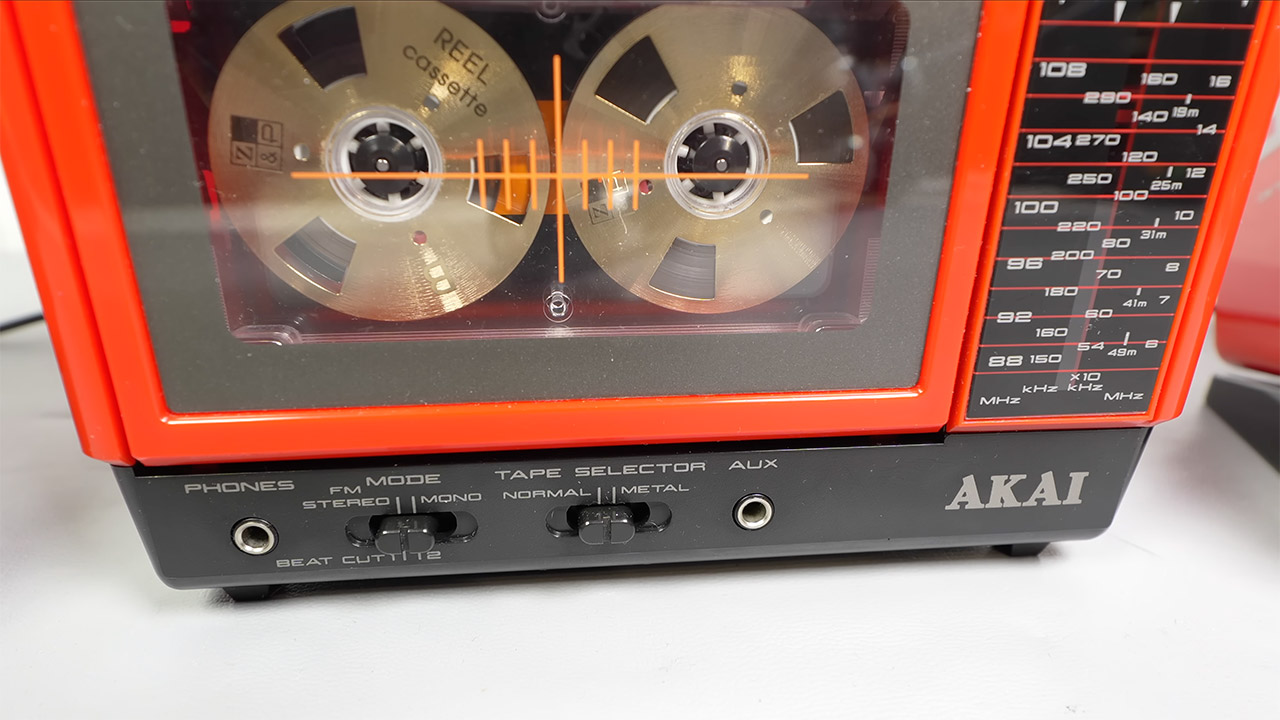
Tuning in is handle by a four-band radio component with AM, FM, and shortwave reception that can pull in distant broadcasts when conditions are favorable. The FM side is very sensitive, and it includes a mono mode and a beat-cut filter to reduce interference. There’s a 3.5 millimeter connection on the front panel that allows you to connect signals from external players or recorders, allowing you to play them via the speakers or record them directly into the cassette without having to look for hidden ports.
Many users were caught off guard by the PJ-11’s unusually full and rich sound despite its small size. Voices came through clearly on angled up speakers, and the overall balance was pleasing, rather than harsh and tinny like some other radios. During high solar activity years, you could pick up shortwave broadcasts loud enough to fill a room, and cassettes had a pleasant warmth that kept the listener listening in for longer than you’d expect from a budget model priced around one fifty at introduction in 1984.
Akai only produced a small number of PJ-11s before going on to larger models such as the PJ-33, which is probably why they are so hard to come by now. You had all these convenient features, such as detachable speakers that spun around, a front-facing aux in, and the ability to run on batteries. All of this combined to create a design that felt refreshingly practical for ordinary listeners in 1984, and forty years later, it retains a certain attractiveness because it solved simple difficulties in a way that appears to have been completely forgotten these days
Fascinating Look Back at the Akai PJ-11, an Innovative Mini Stereo with Rotating Speakers from 1984
#Fascinating #Akai #PJ11 #Innovative #Mini #Stereo #Rotating #Speakers