Metropolis (1927) Created The Blueprint For Modern Science Fiction Worlds
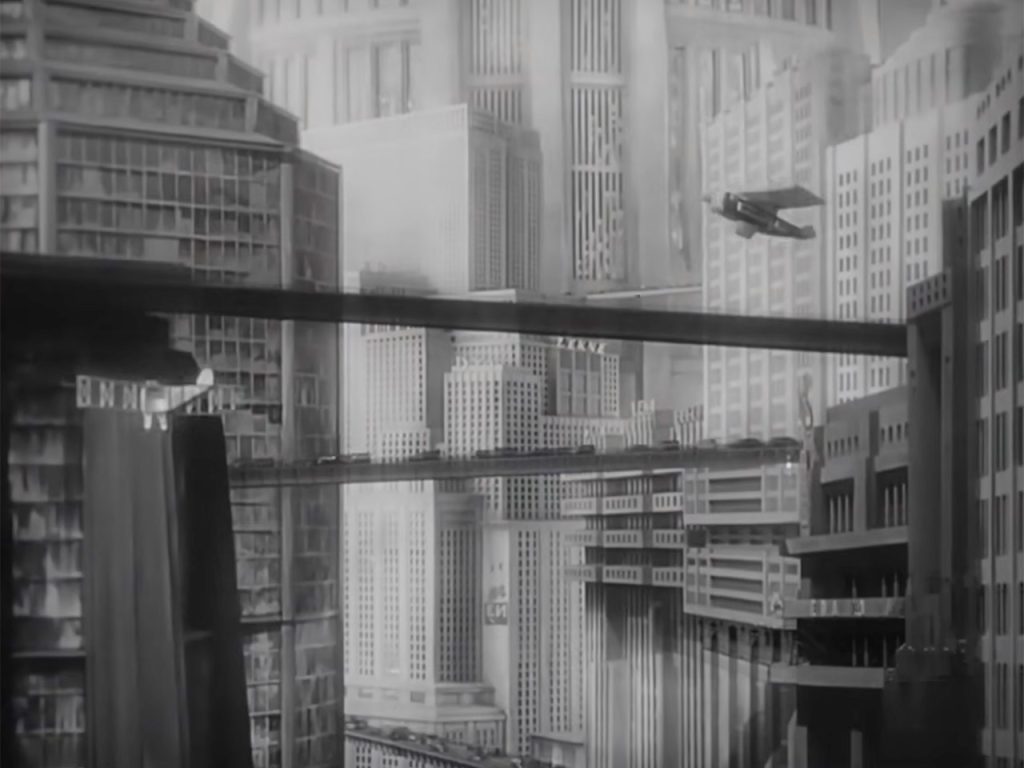
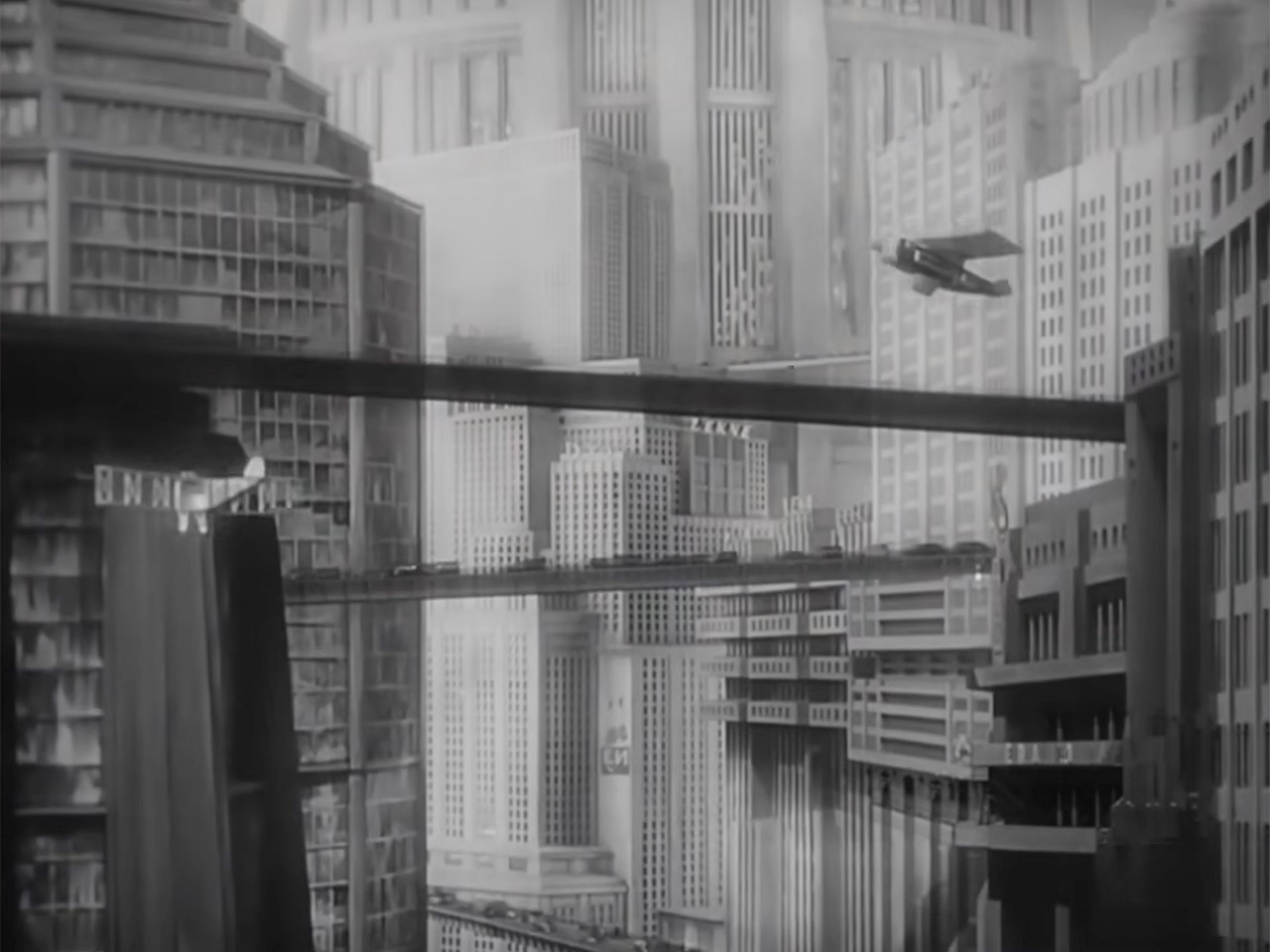
Metropolis, an iconic silent German production from 1927 directed by Fritz Lang, continues to throw a long shadow over the science fiction genre over a century after its release. Many people consider it to be the foundational work of the genre. Its cityscapes, people, and concepts reappear in subsequent stories, ranging from towering dystopias to gnawing conflicts between humans and robots.
Lang constructs a world split cleanly in two, with a privileged elite living lavishly in gleaming towers high above the city while the working class toil away in the gloomy depths below, keeping the machines alive at great personal cost. Into this divide steps Freder, the son of the city’s all powerful master, who ventures underground for the first time, falls for a kind and idealistic worker named Maria, and gets a brutal firsthand look at just how punishing life is down there. Things take a darker turn when Rotwang, a brilliant but dangerous inventor, builds a robot in Maria’s likeness and unleashes it on the masses to sow discord and keep the lower classes firmly under the thumb. What follows is mayhem on a grand scale, including a flood that threatens to swallow the entire underground city whole, and it takes Freder stepping forward as an unlikely peacemaker to finally pull things back from the brink.
Lang’s ambitions were quite high-tech for the time. He was inspired by his trip to New York and saw buildings as emblems of power. The sets combined Art Deco elements with Gothic shadows and a variety of futuristic gadgets. The way the workers were choreographed to move in perfect synchrony like the components of a gigantic clock was also rather impressive for a film from that era. To achieve all of the special effects, the crew used a variety of techniques such as miniatures, reflections, and creative lighting. The robot, a sleek, mechanical creature with a variety of human-like gestures, was a piece of art that grabbed viewers from the start.
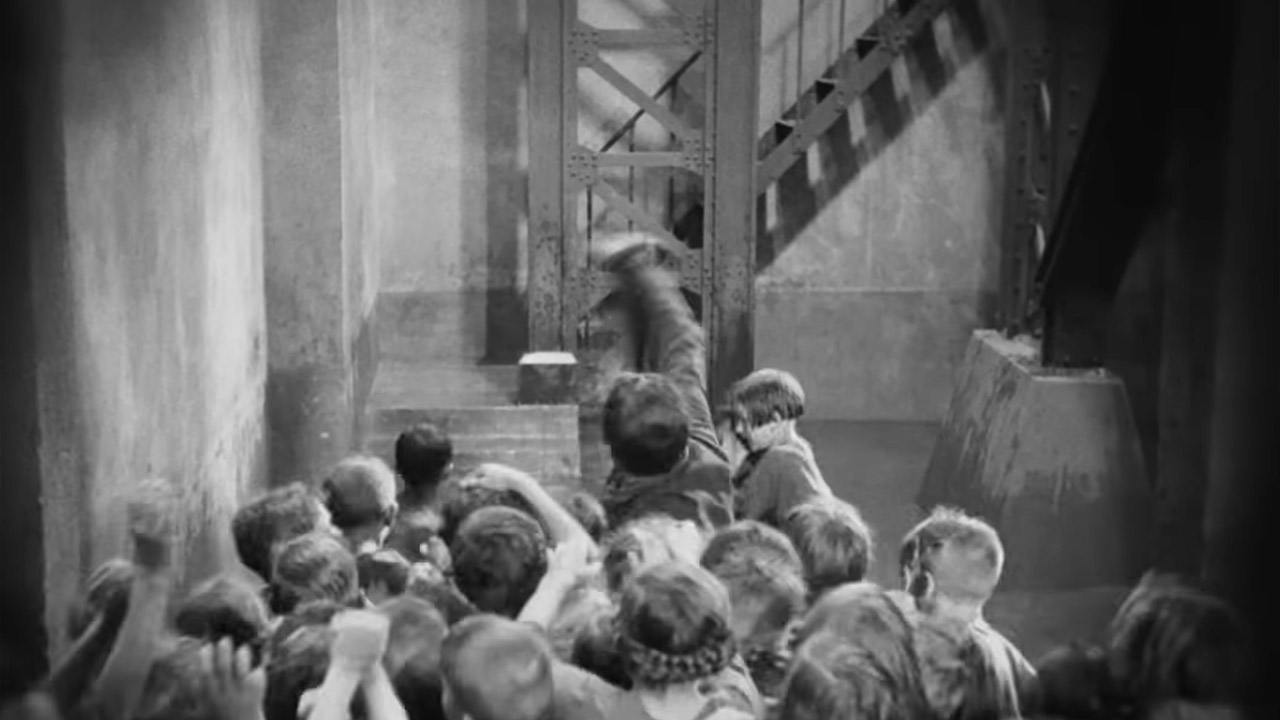
Lang’s ideas are still relevant today, depicting how the privileged live in a bubble, disconnected from the people who keep the system running. The machines promise advancement, but all they accomplish is transform people into extensions of themselves. The robot poses numerous problems regarding control, dishonesty, and what truly defines someone as real. These beliefs are more than just leftovers of the industrial past; they are nonetheless crucial to our current arguments about automation and inequality.
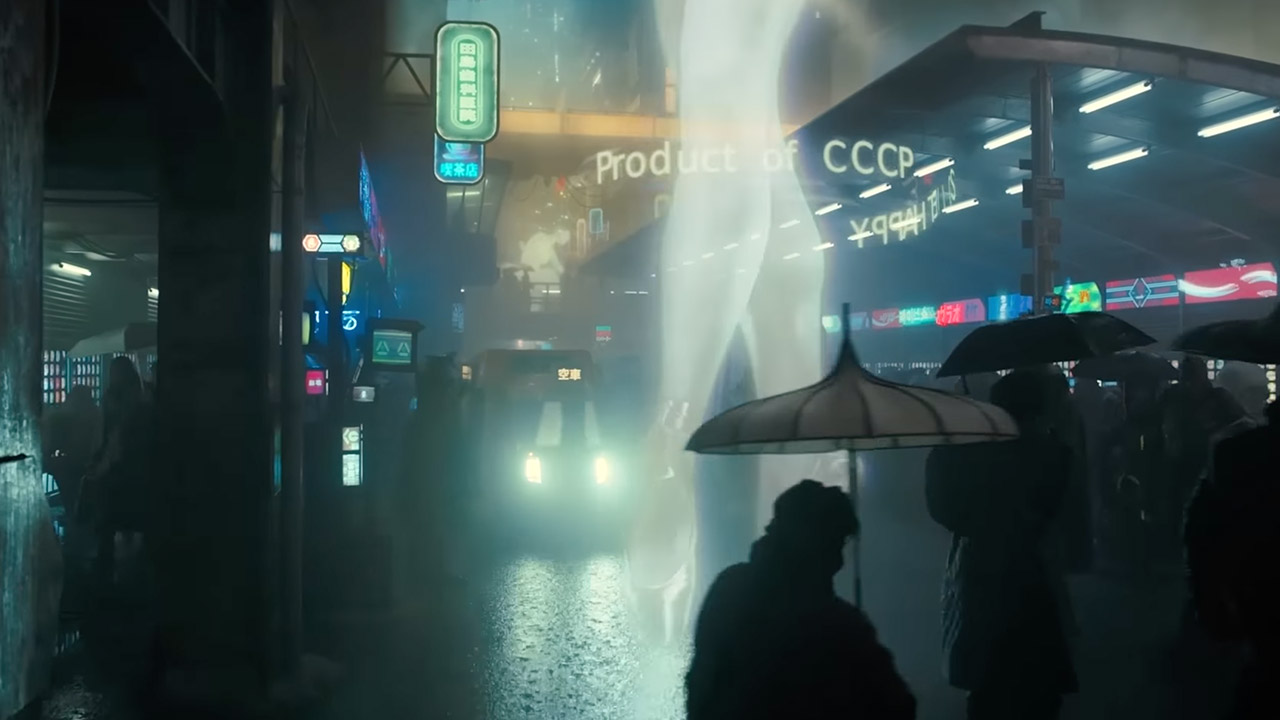
Metropolis has inspired generations of films, as evidenced by Blade Runner’s rainy streets and towering skyscrapers, as well as the appearance of the golden protocol droid in Star Wars. The Matrix took the entire concept of underground toil and people gradually coming up to their controlled reality. Directors and artists have plagiarized Lang’s vertical cityscapes, such as the elegant gardens above and the depressing blackness below, in a variety of media, including movies and music videos.
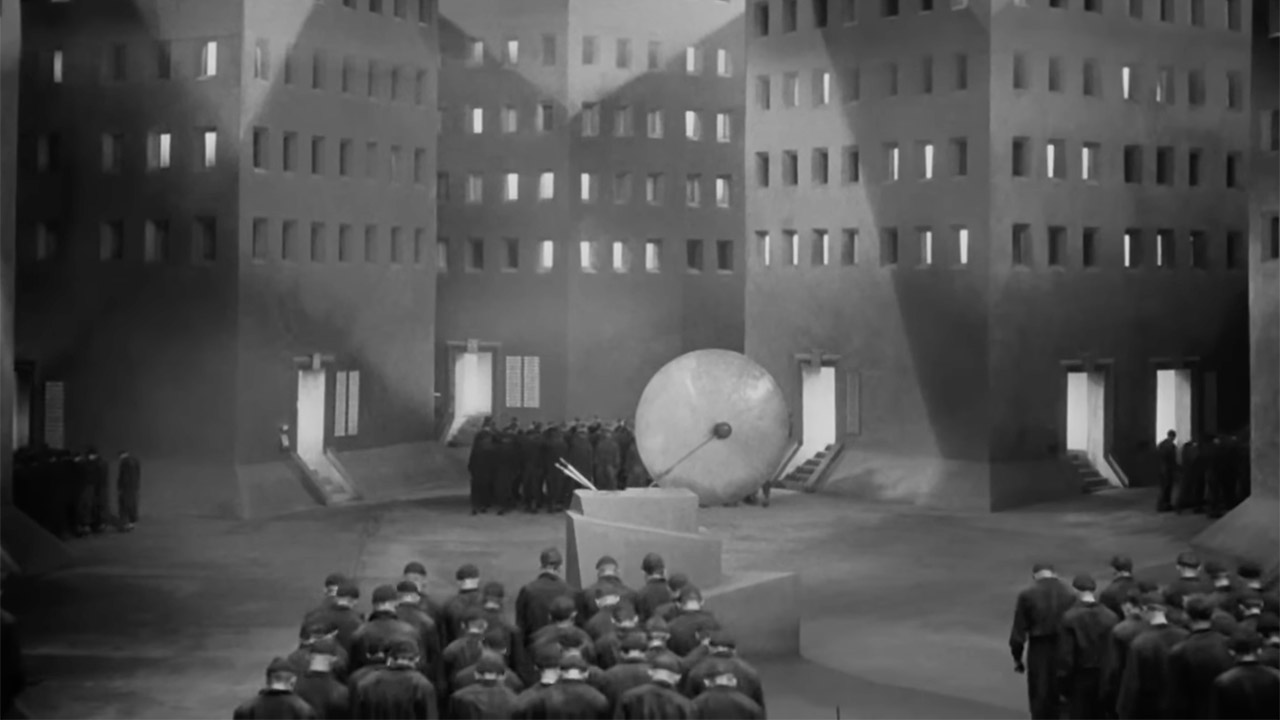
What makes Metropolis feel so urgent even now is that the story it tells has never really gone out of date. A world carved up between those who have everything and those who have nothing, locked in a state of uneasy tension, is hardly a difficult concept to relate to in 2026. Set in a future that in many ways has already arrived, the film is a sharp reminder of how easily technology can widen the gap between people rather than close it. Lang saw a society where machines amplify our worst instincts rather than our best ones, and that particular warning feels more relevant than ever in an age of artificial intelligence and mass surveillance. Metropolis may not have predicted every twist the future had in store, but it shaped the way generations of people have imagined tomorrow, and that kind of influence doesn’t fade easily.
[Source]
Metropolis (1927) Created The Blueprint For Modern Science Fiction Worlds
#Metropolis #Created #Blueprint #Modern #Science #Fiction #Worlds