Robinson’s R66 Turbinetruck Shows How Cargo Helicopters Are Going Fully Autonomous
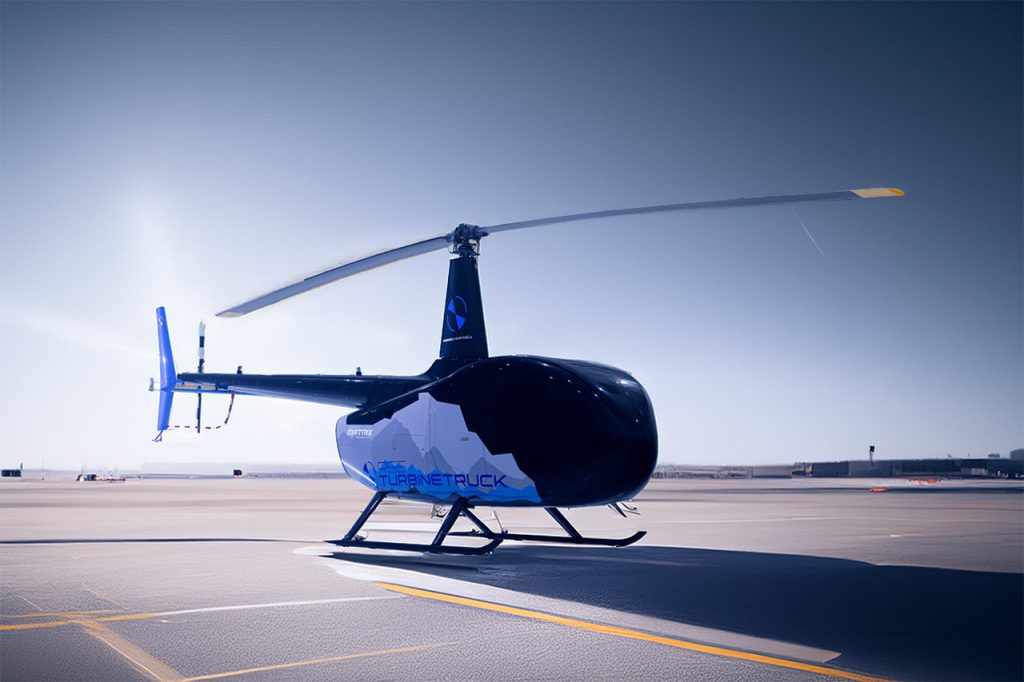
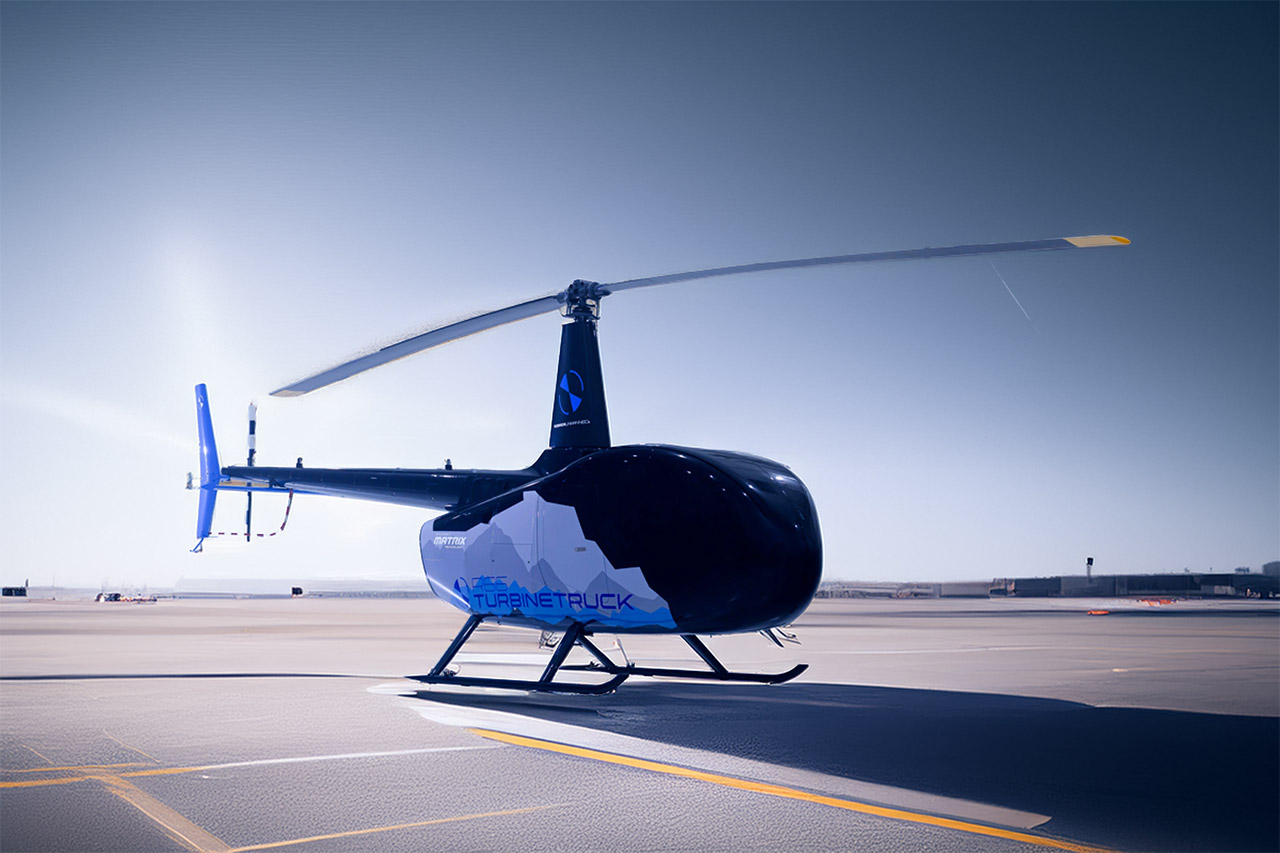
Robinson Helicopter Co. has taken one of its most popular aircraft and done something interesting with it. The R66 Turbinetruck strips out everything a human pilot needs and turns the turbine powered R66 into a fully autonomous cargo carrier built for the kinds of jobs that are too dangerous, too remote, or simply too repetitive to justify putting a person in the cockpit. Robinson is partnering with Sikorsky, a Lockheed Martin company, to make it happen, bringing Sikorsky’s proven MATRIX autonomy system along for the ride.
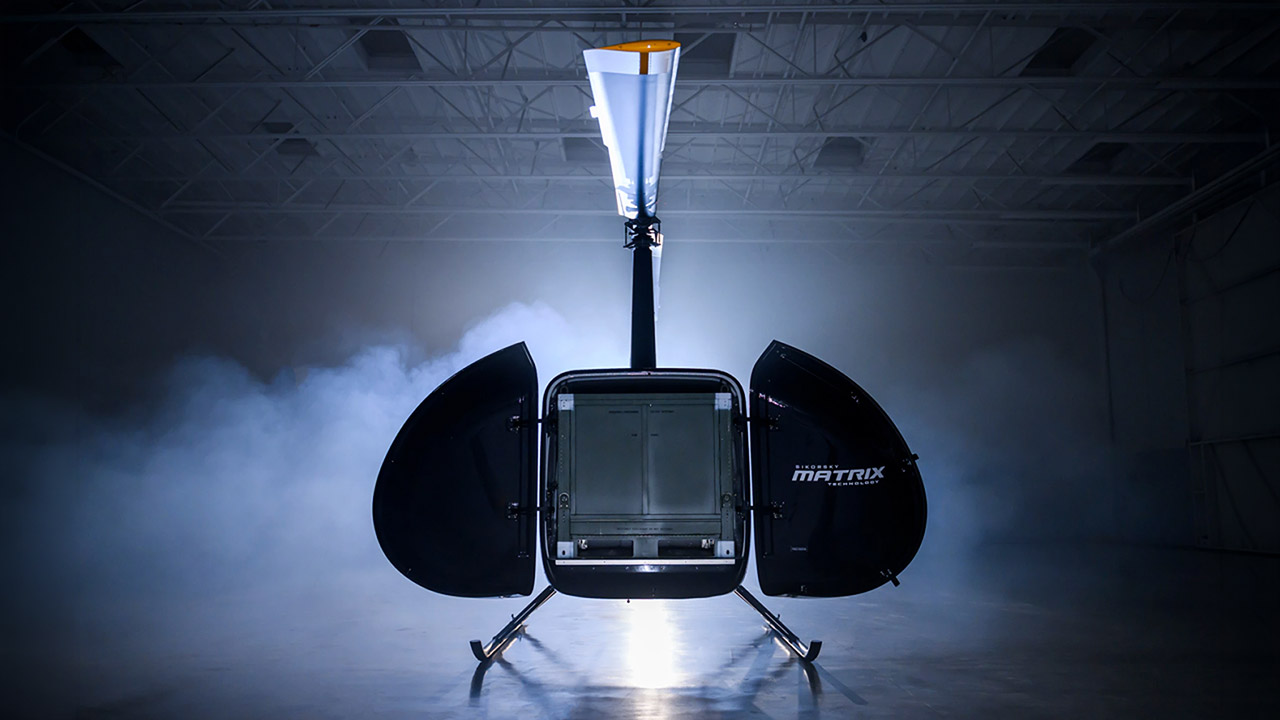
The most obvious change is up front, where the standard cockpit has been replaced with wide opening clamshell doors that make loading as straightforward as pulling up a forklift and sliding a pallet straight in. With the seats, controls, and all the safety overhead that comes with carrying a human pilot stripped away, the aircraft gets meaningfully lighter and more capable in the process. Useful load climbs to 1,500 pounds split between fuel and payload, nudging past the 1,420 pounds the manned version can manage, and the maximum takeoff weight for utility configurations comes in at around 2,900 pounds with certain modifications applied.

DJI Neo, Mini Drone with 4K UHD Camera for Adults, 135g Self Flying Drone that Follows You, Palm Takeoff…
- Due to platform compatibility issue, the DJI Fly app has been removed from Google Play. DJI Neo must be activated in the DJI Fly App, to ensure a…
- Lightweight and Regulation Friendly – At just 135g, this drone with camera for adults 4K may be even lighter than your phone and does not require FAA…
- Palm Takeoff & Landing, Go Controller-Free [1] – Neo takes off from your hand with just a push of a button. The safe and easy operation of this drone…
Under the hood nothing has changed, and that’s a good thing. The Turbinetruck runs on the same Rolls-Royce RR300 turboshaft engine that powers the standard R66, one of the more reliable and lightweight options in its class. Cruise speed sits at around 120 knots and endurance stretches to up to four hours depending on the mission, while the familiar two bladed main rotor and overall size of the R66 make it well suited to tight or remote destinations where larger aircraft simply couldn’t operate.
Getting it airborne is refreshingly straightforward for the operator. You load the cargo, pull up the MATRIX tablet, punch in the mission details, and the system takes it from there. Cameras, sensors, and onboard algorithms handle the flight planning, navigation, obstacle avoidance, and landing without anyone needing to touch a control. If the situation calls for it you can also switch to remote piloting, and the open architecture of the MATRIX platform means new software and capabilities can be added down the line without starting from scratch. Sikorsky has logged over 1,000 flight hours with the system across multiple aircraft types, which gives it a credibility that a lot of newer autonomy platforms simply don’t have yet.
The use case is pretty clear. Whether it’s delivering supplies to a location too hazardous for a crewed flight, running repetitive logistics routes, or getting equipment to somewhere a road will never reach, the Turbinetruck is built for exactly the moments when sending a pilot feels like the wrong call. Military personnel can utilize it to transport crucial supplies to the front lines, such as water, gasoline, and medical supplies, without placing themselves in danger. Commercial operators can utilize it to transport items to oil rigs, transfer organs for medical crises, aid relief operations in flooded or earthquake-prone areas, or just conduct routine supply runs in difficult-to-reach sectors. It’s a no-brainer for developing large fleets because it’s less expensive up front, requires less maintenance, and is throwaway in the harsh situations in which it’s frequently used.
Robinson hopes to make its first flight in early 2027, and integration work is now underway at Sikorsky’s Connecticut site after the airframes are manufactured in California. Customers from the military and commercial sectors have already expressed interest, with some initial orders for UAS target roles and oil-and-gas assistance. Robinson believes it’s all about economics and high volume production, pitching the Turbinetruck as a complement to larger autonomous systems rather than a direct rival.
[Source]
Robinson’s R66 Turbinetruck Shows How Cargo Helicopters Are Going Fully Autonomous
#Robinsons #R66 #Turbinetruck #Shows #Cargo #Helicopters #Fully #Autonomous