Our climate models have a big, dangerous blind spot
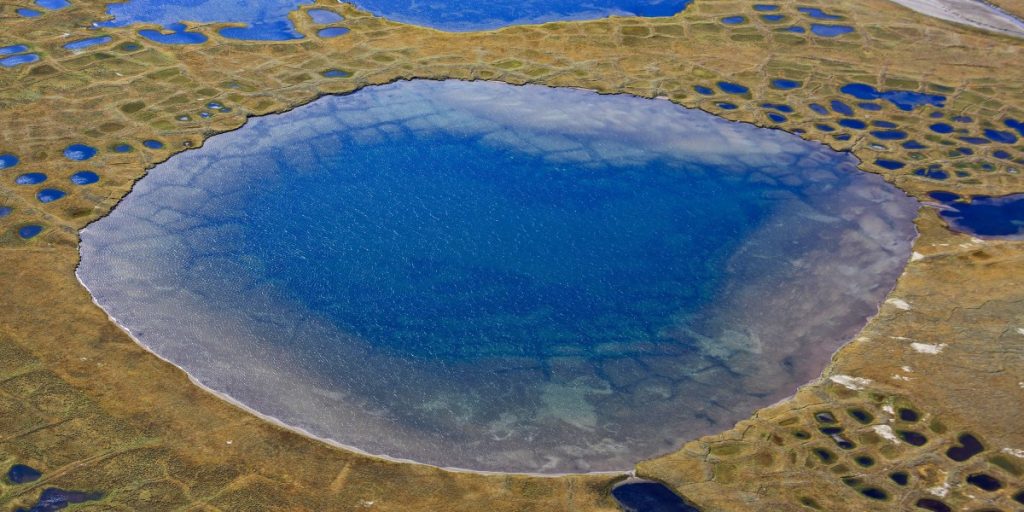
A study in Environmental Research Letters in September, synthesizing the results of previous papers, found that the additional carbon dioxide and methane released from thawing permafrost, intensifying wildfires, hotter lakes and reservoirs, and wetter, warmer wetlands alone could drive global average temperatures up 0.2 °C to 0.4 °C this century. That would come on top of the 2.6°C of warming above preindustrial levels that modelers are already expecting through 2100. The additional heat could subject many of the world’s cities to monthslong heat waves and expose hundreds of millions of people to flooding.
None of the models that inform the major UN climate reports, which assess how much the planet will likely warm under various emissions scenarios, account for all these feedback effects. Many of them don’t incorporate any. That leaves a huge blind spot in our understanding of how much the world could actually warm in the coming decades—and how rapidly nations will need to slash emissions to stay within critical boundaries.
A separate analysis published in One Earth in March, which examined what the feedback problem means for our international climate goals, concluded that the world may be much further off track than is widely believed. It found that just three regional sources of warming-driven emissions—thawing permafrost, increasing fires in boreal forests, and warming tropical wetlands—may shorten by as much as 25% the time before the planet consistently breaches the 1.5 °C and 2 °C warming thresholds.
Our climate models and the UN’s reports clearly need to be updated to better represent these effects. Nations must also step up their efforts to reduce emissions to reflect this improving understanding of the dangers we face, says Sam Abernethy, the lead author of the paper and a climate scientist at Spark Climate Solutions, a San Francisco–based nonprofit research group.
At least some of this is starting to happen. Spark kick-started an initiative, called the Warming-Induced Greenhouse Gas Emissions Model Intercomparison Project, through which more than 20 international teams are running the same set of analyses on different models to develop greater understanding of feedback effects’ potential power. Researchers involved hope that the UN will incorporate those results into its next major climate assessment, due out in 2029. That report will update estimates of the remaining emissions that can be released before the world crosses key temperature thresholds.
But what is already clear is that the planet is rapidly warming and that nations haven’t done nearly enough to cut fossil-fuel pollution. And even if we did manage to halt it, warming-driven emissions could continue.
#climate #models #big #dangerous #blind #spot