Japan Introduces Buddharoid, an AI-Powered Humanoid Robot That Brings Buddhist Teachings into Physical Form
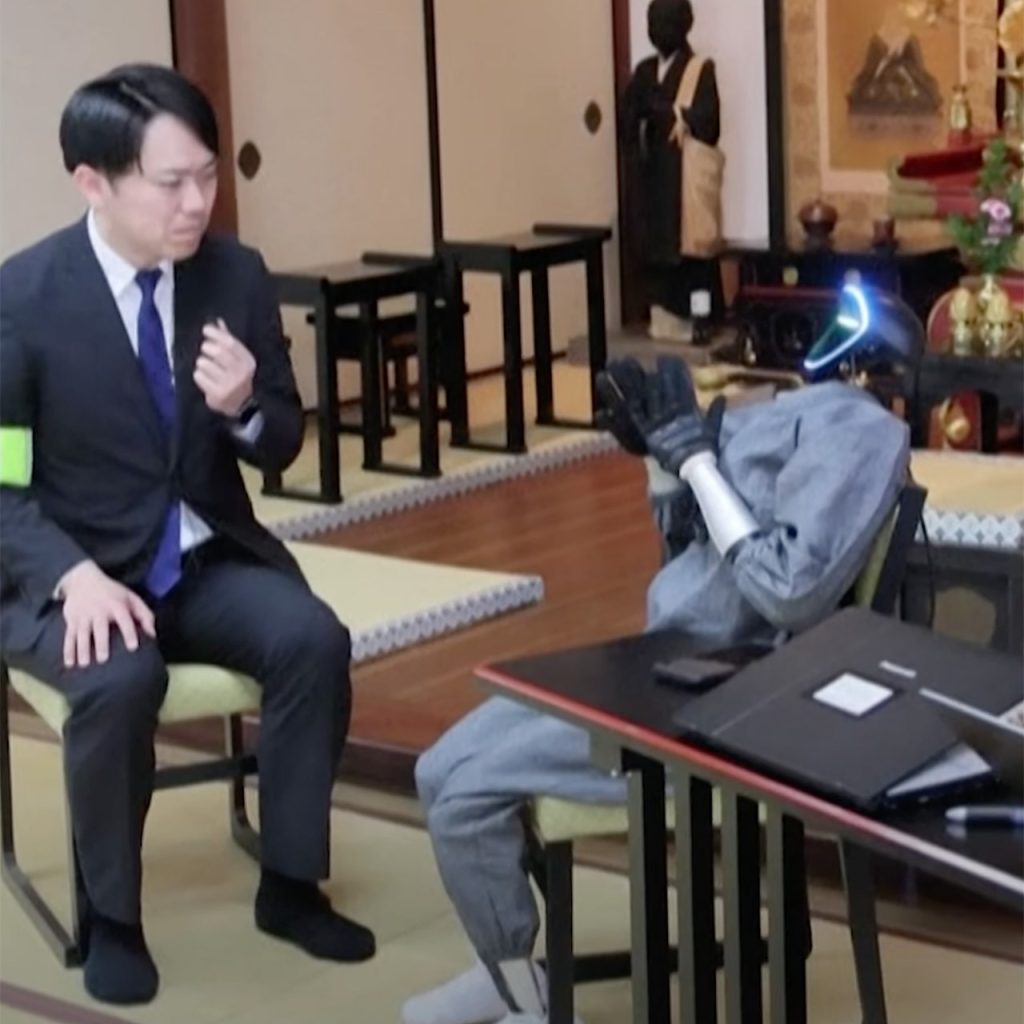
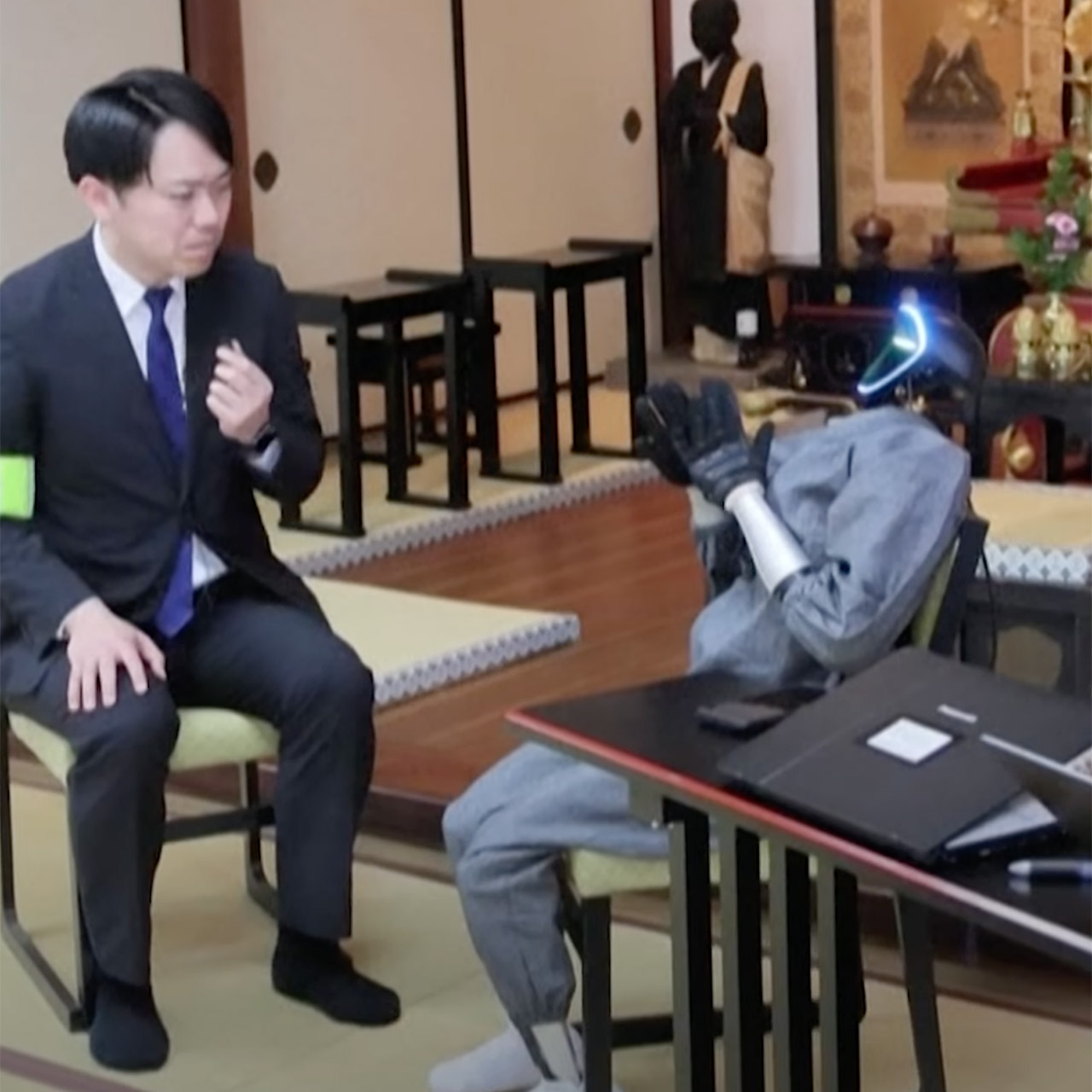
Japan introduces Buddharoid, a humanoid robot that physically embodies Buddhist teachings, at a time when temples are having to cope with a monk shortage. Kyoto University researchers collaborated with tech companies Teraverse and X NOVA to build the system around China’s capable Unitree G1 humanoid robot. It has been clad in a basic grey robe and kept faceless to avoid bringing attention to its mechanical nature, allowing its quiet movements and steady voice to speak for itself.
Buddharoid glides almost as slowly as a monk through the monastery corridors at 5 a.m. It has a very courteous manner of bowing, uniting its hands in the traditional gassho prayer gesture, and then going away at a steady, measured pace, which is ideal for calm areas. Its fundamental movement patterns were derived from training on the Unitree hardware, and they were fine-tuned to reflect monastic behaviour rather than the mechanical efficiency of, say, a factory line.

Unitree G1 Humanoid Robot(No Secondary Development)
- Height, width and thickness (standing): 1270x450x200mm Height, width and thickness (folded): 690x450x300mm Weight with battery: approx. 35kg
- Total freedom (joint motor): 23 Freedom of one leg: 6 Waist Freedom: 1 Freedom of one arm: 5
- Maximum knee torque: 90N.m Maximum arm load: 2kg Calf + thigh length: 0.6m Arm arm span: approx. 0.45m Extra large joint movement space Lumbar Z-axis…
The real work of Buddharoid is done by the AI system, BuddhaBot-Plus, an advanced language model that the developers trained on literally hundreds of Buddhist scriptures. From the main sutras to all of the specialist comments written over centuries. When someone asks Buddharoid about their anxiety, relationships, or larger issues like the meaning of life, it simply draws from all of those texts to provide sensible responses. It once recommended someone to take a serious look at their relationships and establish that inner balance to improve things.
Buddharoid made an appearance for journalists and visitors at Kyoto’s Shoren-in Temple. It went around the room, spoke in a calm and composed tone, and just engaged in conversation with individuals. Unlike some of the earlier temple robots, which were simply reciting recorded sermons, Buddharoid is intelligent enough to respond to real-time interaction. People ask it a variety of issues, ranging from everyday worries to larger social concerns, and it always responds through the prism of Buddhist knowledge.
Professor Seiji Kumagai, the project’s leader and a monk himself, has been promoting Buddharoid, and his team views the robot as a method to genuinely preserve access to Buddhist teachings in rural places or at temples that are struggling to locate the staff they require. The machine is helping to bridge the gap between digital Buddhism and the actual thing, and I believe that is where the true value lies. Visitors receive the impression that they’re dealing with something more than just a text-based chatbot.
Japan Introduces Buddharoid, an AI-Powered Humanoid Robot That Brings Buddhist Teachings into Physical Form
#Japan #Introduces #Buddharoid #AIPowered #Humanoid #Robot #Brings #Buddhist #Teachings #Physical #Form