Curiosity Closes In on Mars’ Giant Web-Like Ridges
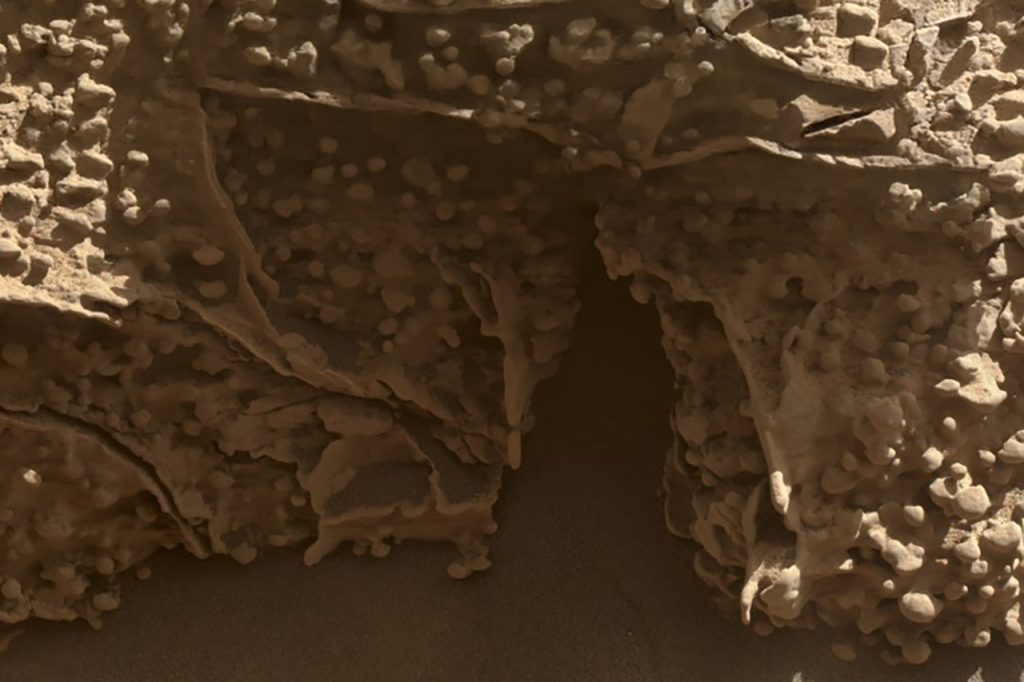
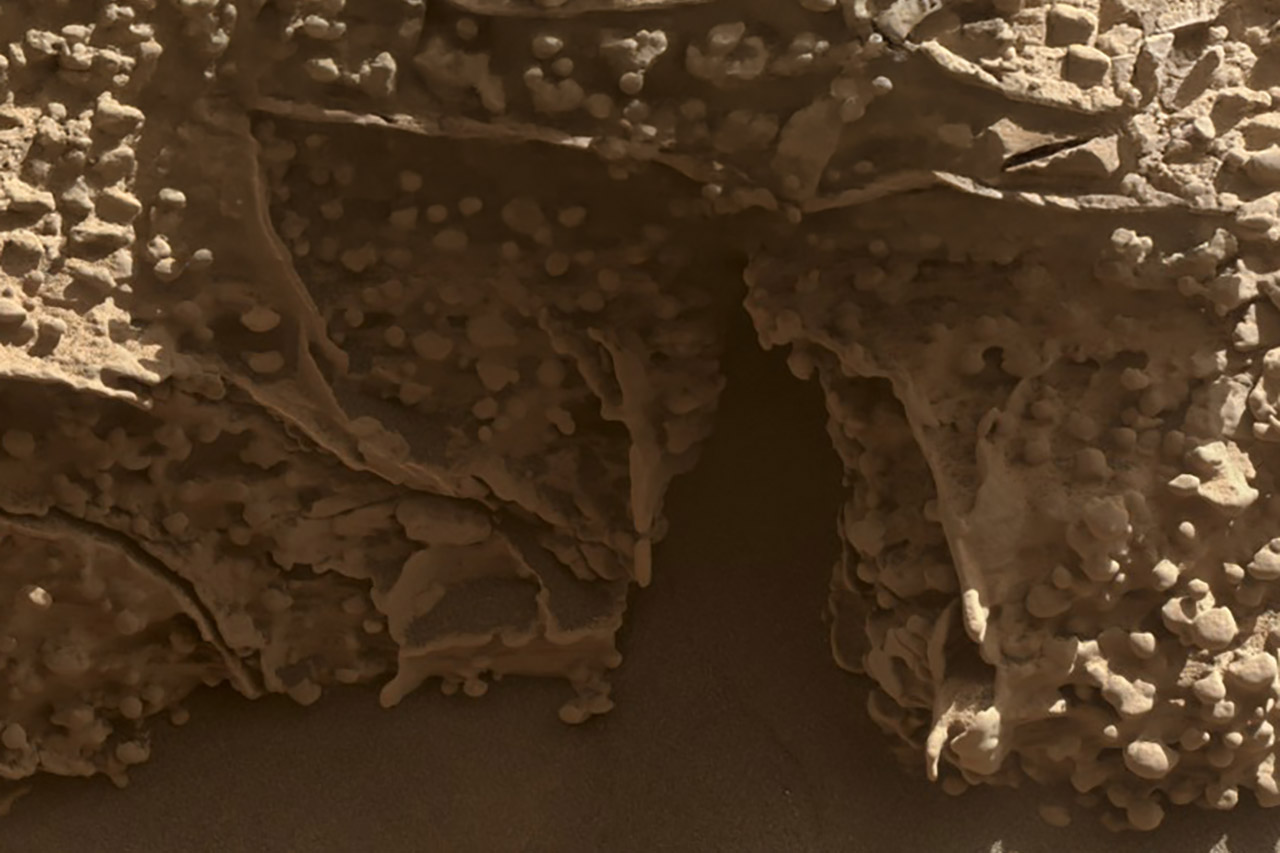
One of Mars’ most perplexing geological mysteries, formations that like enormous spiderwebs spread out across the landscape, can now be seen up close in the most recent set of photos taken by NASA’s Curiosity rover. It has been traveling through an interesting section of Mount Sharp inside Gale Crater for the past six months. It’s made up of low, intersecting ridges that are about three to six feet high, with sandy depressions scooped out between them.
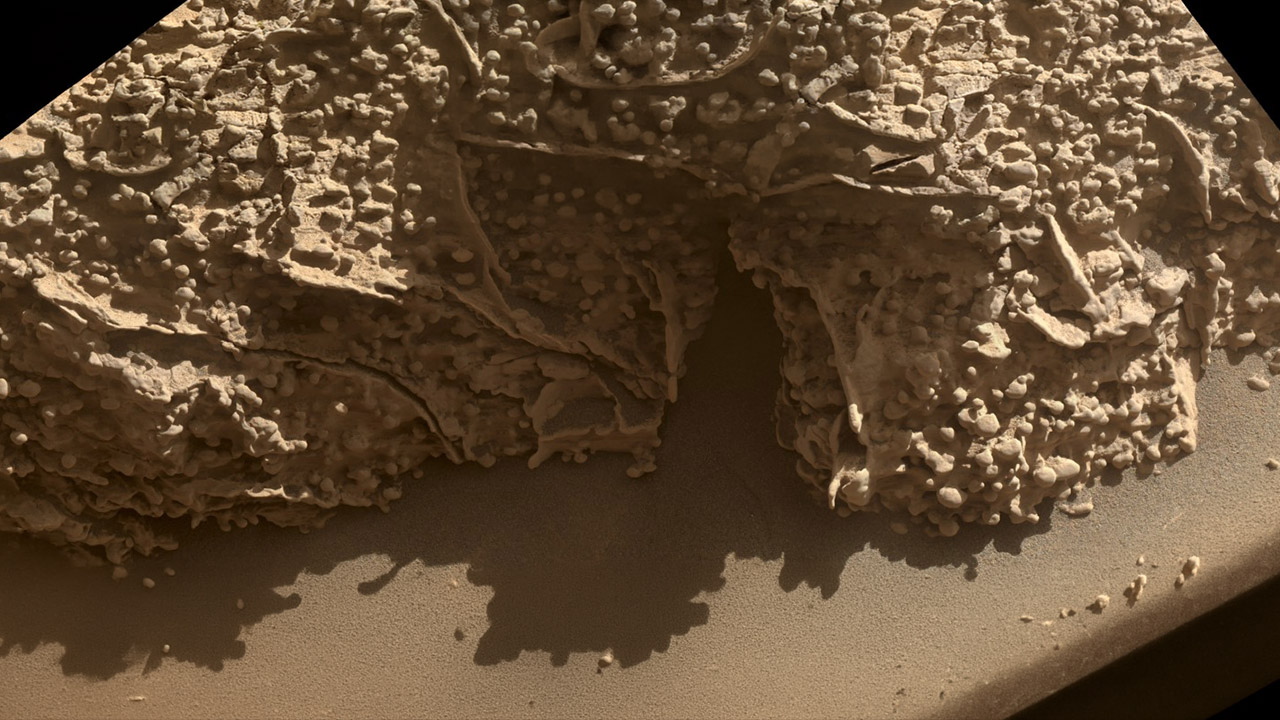
When viewed from orbit, the pattern gives the distinct appearance of enormous spiderwebs spanning miles across the Martian landscape, but up close, the story becomes much more intriguing. These “boxwork” structures show a history of water that has persisted for much longer than most models had predicted. Using its Mastcam, the rover was able to take some incredibly vivid panoramas and close-ups of the ridges. One picture dated September 26, 2025, provides an incredibly clear view of the network of elevated lines and depressions. The team was rather taken aback when Curiosity discovered pea-sized nodules scattered throughout the ridge walls and in the hollows, which are evidence of previous water activity.

LEGO Technic NASA Mars Rover Perseverance Building Toys – STEM Model Kit for Boys & Girls, Ages 10+ Years…
- Feed a passion for science and technology – Kids can learn more about the challenges of space exploration with this LEGO Technic NASA Mars Rover…
- Conduct a test flight – This advanced building kit for kids ages 10 and up includes a buildable toy version of NASA’s Ingenuity helicopter, which…
- AR brings the mission to life – The accompanying augmented reality app experience lets kids dive into the details of the rover and its mission
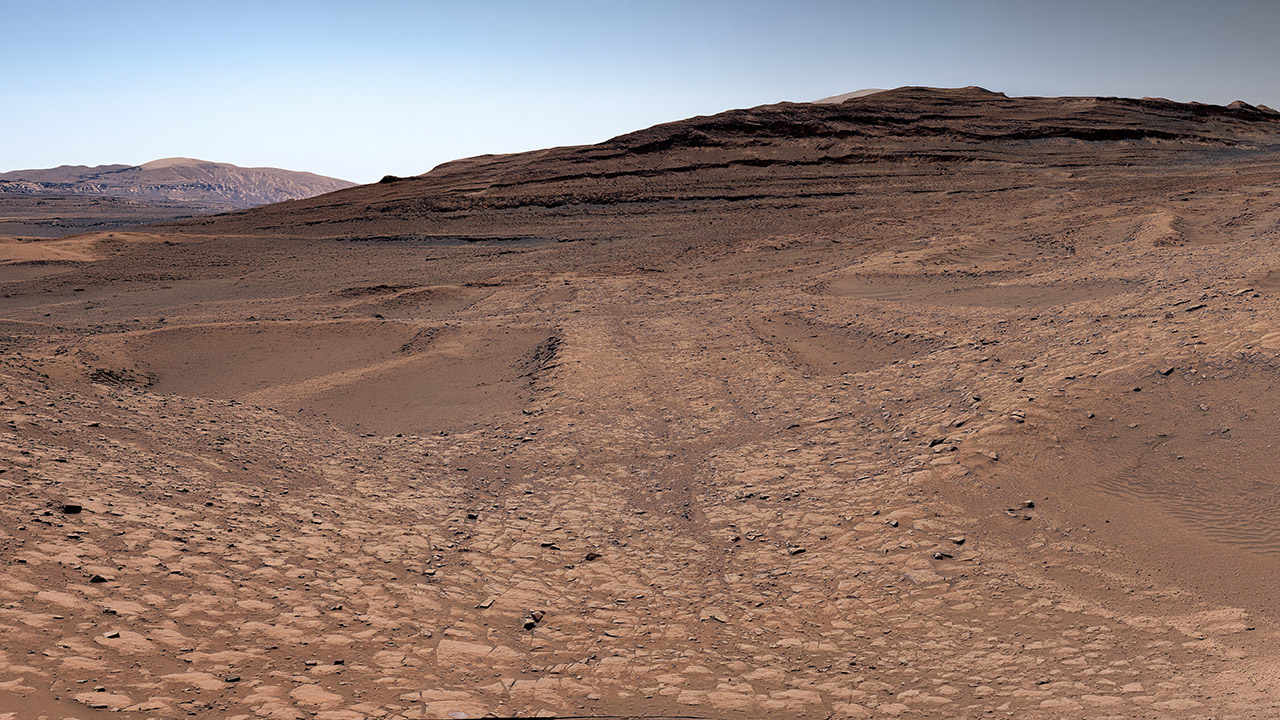
The experts believe that this explains the boxwork: long ago, groundwater passed through bedrock fissures, depositing minerals that created strong ridges in particular regions. The depressions that give the appearance of a web were left behind as the wind worked on the softer rock. The black lines that crisscrossed the formations were already very obvious from orbital photographs; a theory from back in 2014 proposed that these were central cracks where the minerals had congregated. That theory is strengthened by Curiosity’s careful examination, which revealed that the lines are in fact fractures.
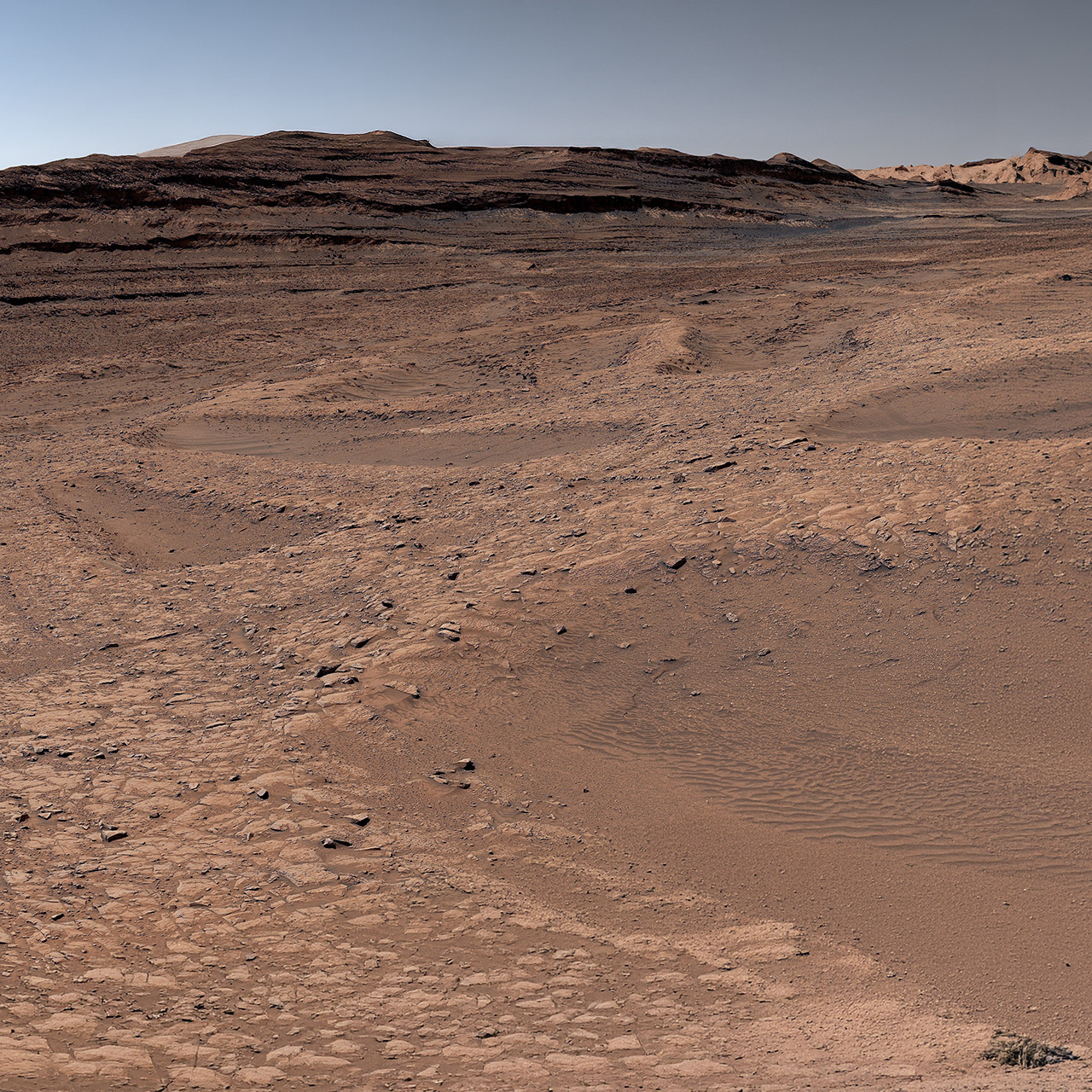
The thing that truly grabs your attention is that the boxwork is located quite high on Mount Sharp, indicating that the ancient groundwater table must have reached fairly high levels. This implies that water was present on Mars for a far longer period of time before the planet dried up and froze. Microbial life would have had a longer period of livable conditions if it had ever existed. The investigation’s mission scientist, Dr. Tina Seeger of Rice University, cited this elevation and said that groundwater high enough to create these characteristics indicates that life-supporting conditions may have existed for a much longer than the orbital data alone would indicate.


Curiosity Closes In on Mars’ Giant Web-Like Ridges
#Curiosity #Closes #Mars #Giant #WebLike #Ridges