Here’s what you need to know about the cruise ship hantavirus outbreak
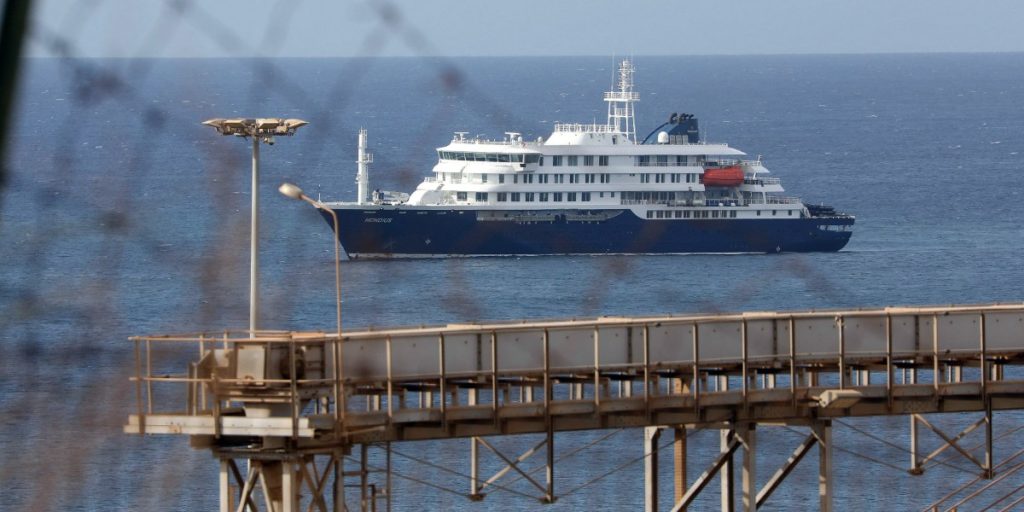
So far, no one else on board has developed symptoms, Maria Van Kerkhove, WHO acting director for epidemic and pandemic management, said at the press event. That’s “a good sign,” she said, but she added that the Andes virus has a long incubation period (around six weeks). Passengers are being advised to wear a medical mask when they leave their rooms.
At the same event, WHO director general Tedros Adhanom Ghebreyesus said he was in regular contact with the ship’s captain, who was reporting that “morale had increased significantly” since the ship started its journey to the Canary Islands.
What do we know about the Andes virus?
The Andes virus is the only hantavirus that is known to be transmitted between people. That transmission seems to rely on prolonged, intimate contact.
There was an Andes virus outbreak in Argentina around eight years ago. Between November 2018 and February 2019, there were 34 confirmed cases of infection, and 11 deaths. That outbreak was triggered when a person with symptoms attended a social gathering, said Tedros. “We are in a similar situation right now,” he said. “A cluster in a confined space with close contact.”
The fact that the 2018 outbreak was limited to 34 cases should be somewhat reassuring, he implied. “We believe this will be a limited outbreak if the public health measures are implemented and solidarity is shown across all countries,” he said.
How is hantavirus treated?
Unfortunately, we don’t have any specific antiviral treatments or vaccines for hantavirus. The WHO recommends early intensive care for people who develop symptoms. “This can save lives,” Anaïs Legand, WHO technical lead on viral hemorrhagic fevers, said on Thursday.
#Heres #cruise #ship #hantavirus #outbreak