How One Device Brings Vintage Hard Drive Sounds to Silent SSDs
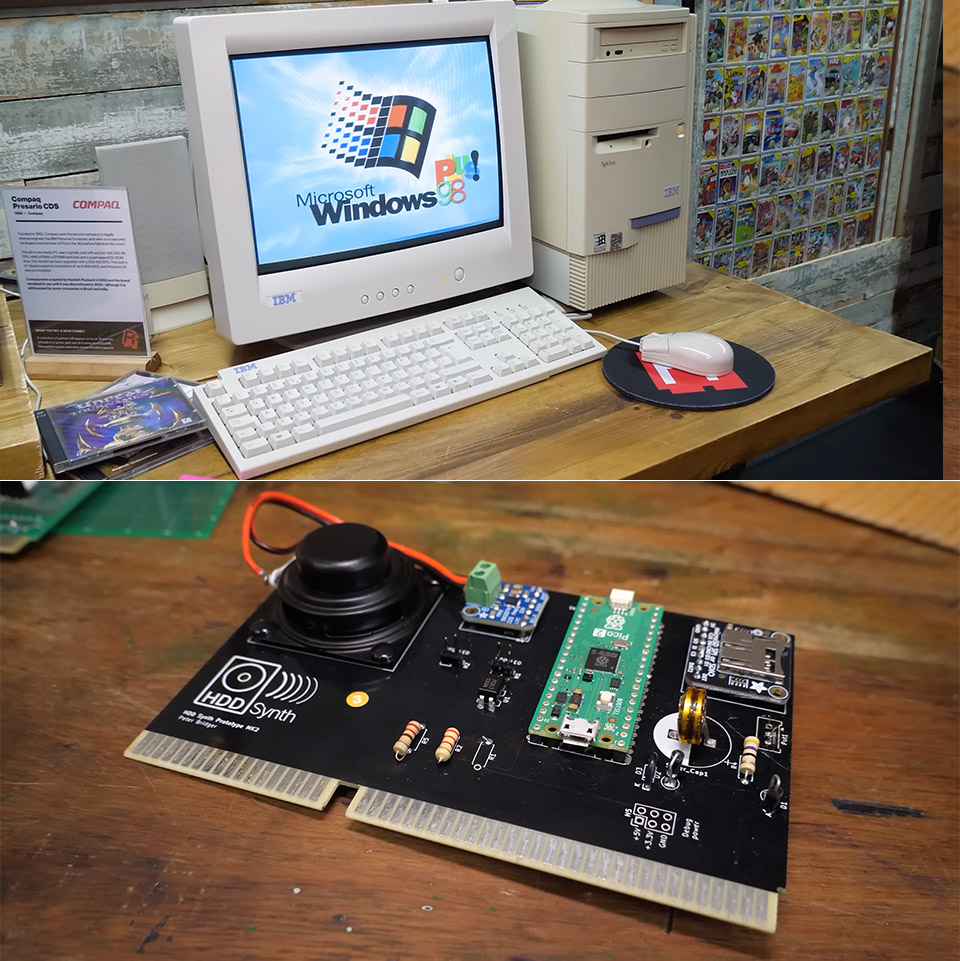
Nostalgia strikes anyone who spent hours staring at a computer screen in the 1990s, when hard drives produced a mechanical symphony. These drives would start spinning with a low whir, clicking every time you accessed a file, and finally shutting down with a gentle clunk. Then came solid-state SSDs, which stored data in total silence.
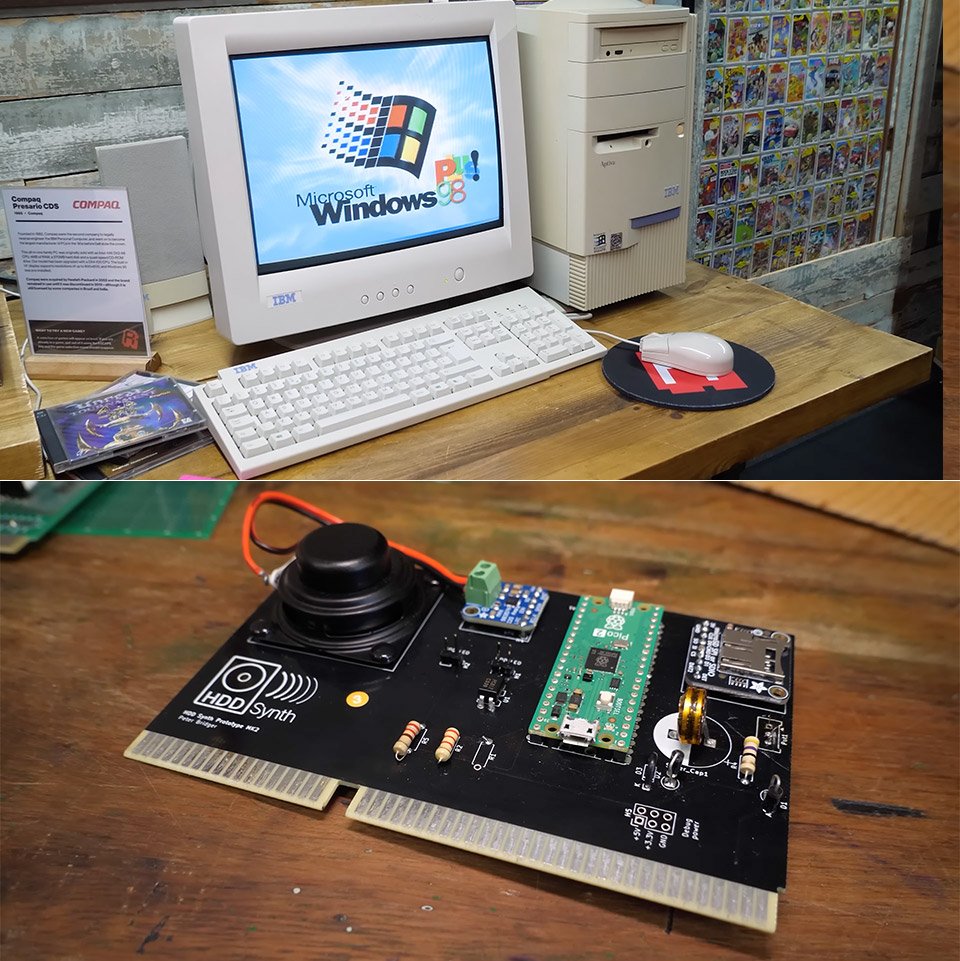
Peter Bridger created the HDD Synth as a solution for retro computer enthusiasts who replace aging drives with compact flash cards or solid state storage to keep their machines working. It’s essentially an add-on expansion card that plugs into an ISA port on your old computer and simply listens on the system bus for all activity signals. When the computer reads or writes data, the card selects the appropriate sound effect and plays it through a small built-in speaker.
Sale
SANDISK 1TB Extreme PRO Portable SSD – Up to 2000MB/s – USB-C, USB 3.2 Gen 2×2, IP65 Water and Dust…
- Powerful NVMe solid state performance featuring up to 2000MB/s read/write speeds.(1) (Based on internal testing; performance may be lower depending on…
- A forged aluminum chassis acts as a heatsink to deliver higher sustained speeds in a portable drive that’s tough enough to take on any adventure.
- Up to 3-meter drop protection and IP65 water and dust resistance(4), and a handy carabiner loop. (Previously rated for 2-meter drop protection and…
The main component is a Raspberry Pi Pico, and an SD card contains all of the WAV sound files extracted from the original hard drives at the time, including the classic spin-up rattles, idle hums, seek clicks, and so on. Simply copy new sound packages onto the SD card and replace any noises you want, whenever you want. One popular set resembles the distinctive IBM voice, while others reproduce the sound of SCSI devices and even have an action hero twist.
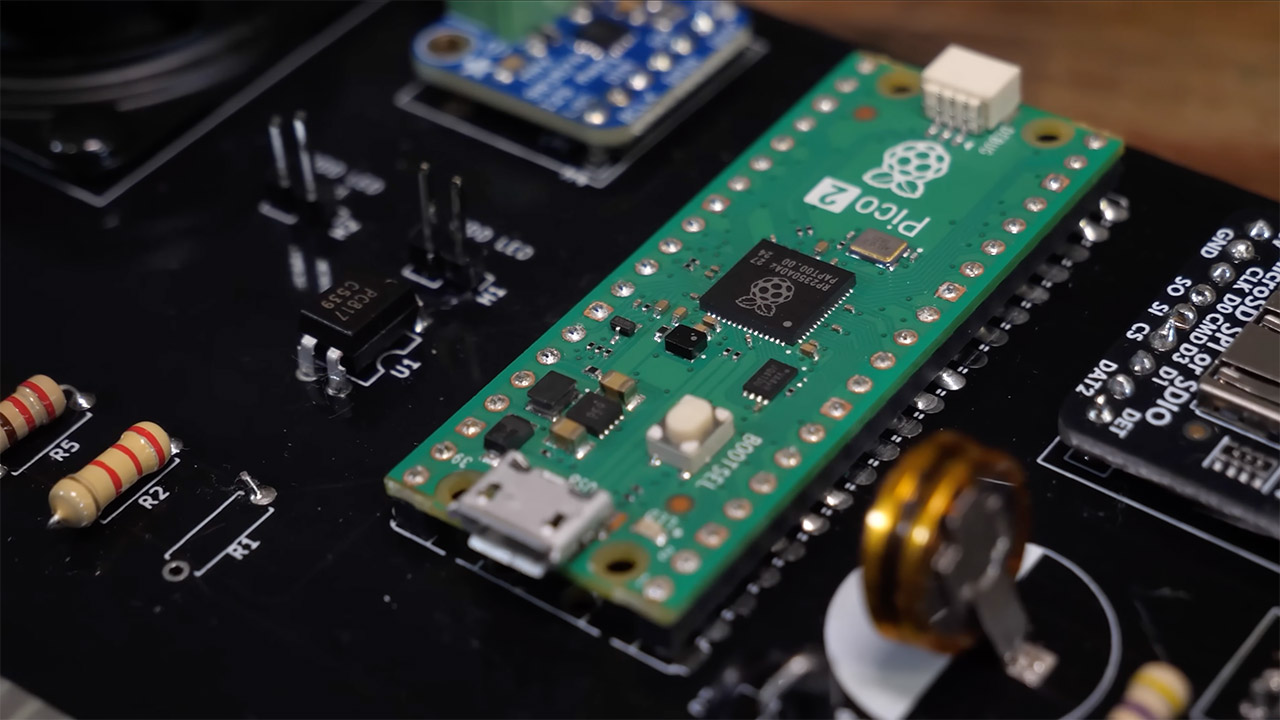
The board draws power directly from the ISA slot, eliminating the need for additional wires or software drivers on your host PC. The board also has a supercapacitor to keep the sound circuit running for a few seconds after the power goes out, long enough for the card to continue playing the spin-down sound without sounding abrupt. You get volume control for fine-tuning, and if an ISA slot seems too much to commit to, you can always use a simple header to connect the card to the hard drive activity LED.
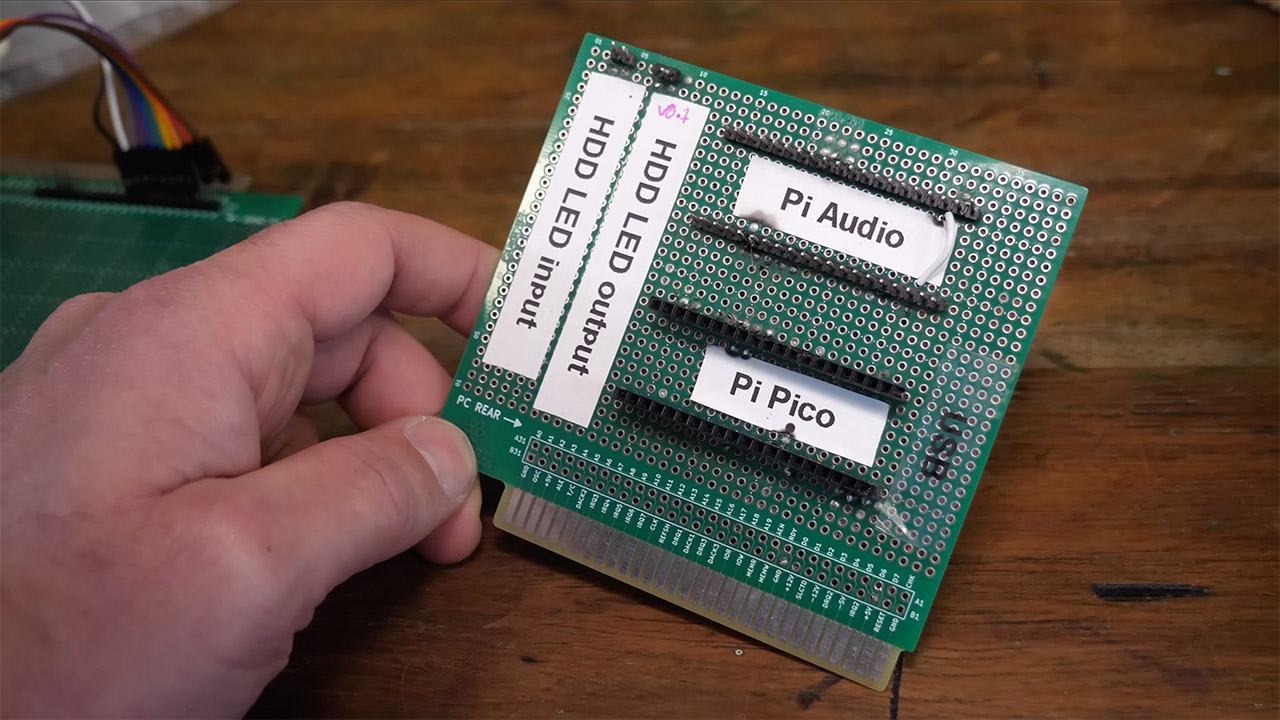
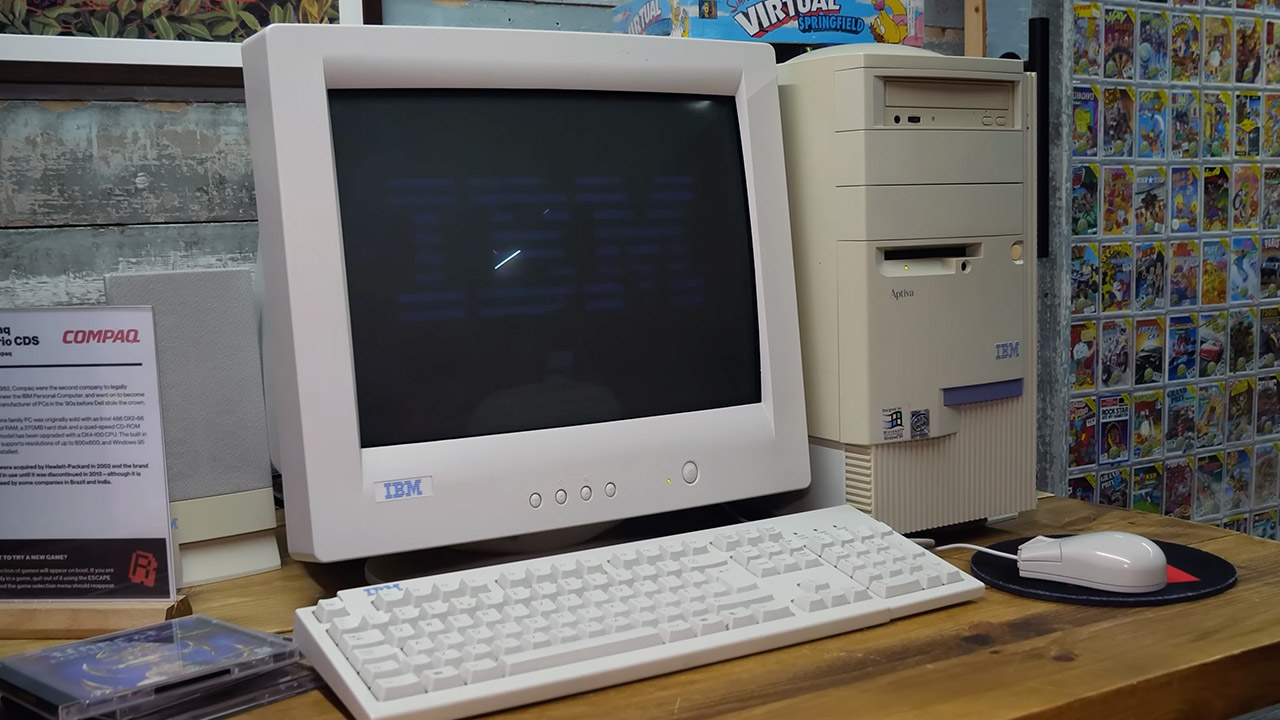
Early prototypes started off on a breadboard before being shifted to printed circuit boards. Bridger simply kept improving each version, adding better mounting points, an RGB status light for debugging, and even direct IDE signal detection along the way. I notice he even demonstrated an IBM Aptiva and a Commodore PC20, both of which still sound like their old selves despite running on solid state storage.
If you go to the project page, you can sign up to receive updates on when the finished boards will arrive. For the time being, prices are unknown, but a high-end version with all the bells and whistles is planned, as well as a more basic model that eliminates the SD card slot and auto-detection for a lower cost. Everything remains entirely open on GitHub, allowing you to download the files, order your own boards, and even record your own fresh sound samples from drives you own.
[Source]
How One Device Brings Vintage Hard Drive Sounds to Silent SSDs
#Device #Brings #Vintage #Hard #Drive #Sounds #Silent #SSDs