SEGA Meganet Connected Gamers Over Phone Lines in 1990
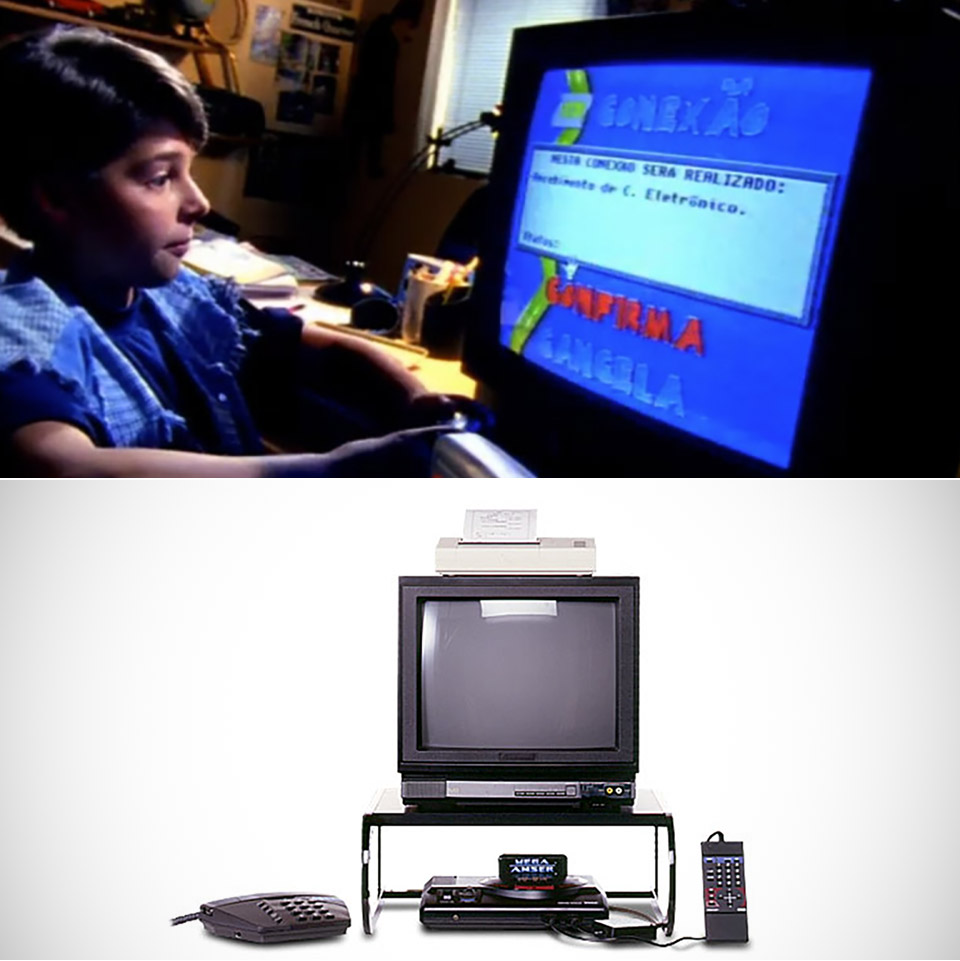
SEGA intended to set the Mega Drive (Genesis) system apart from the competition by giving it a unique selling factor that no one else could duplicate. The system was released in Japanese stores in October 1988, however SEGA’s initial sales were far fewer than they had anticipated. Engineers soon responded by developing an internet service that allowed users to download new games and compete against one another from the comfort of their own homes. It was an ambitious concept, but on November 3rd, 1990, it all came together with the debut of Meganet, a service that anyone wanting to spend the extra money and pay a monthly subscription could participate in.
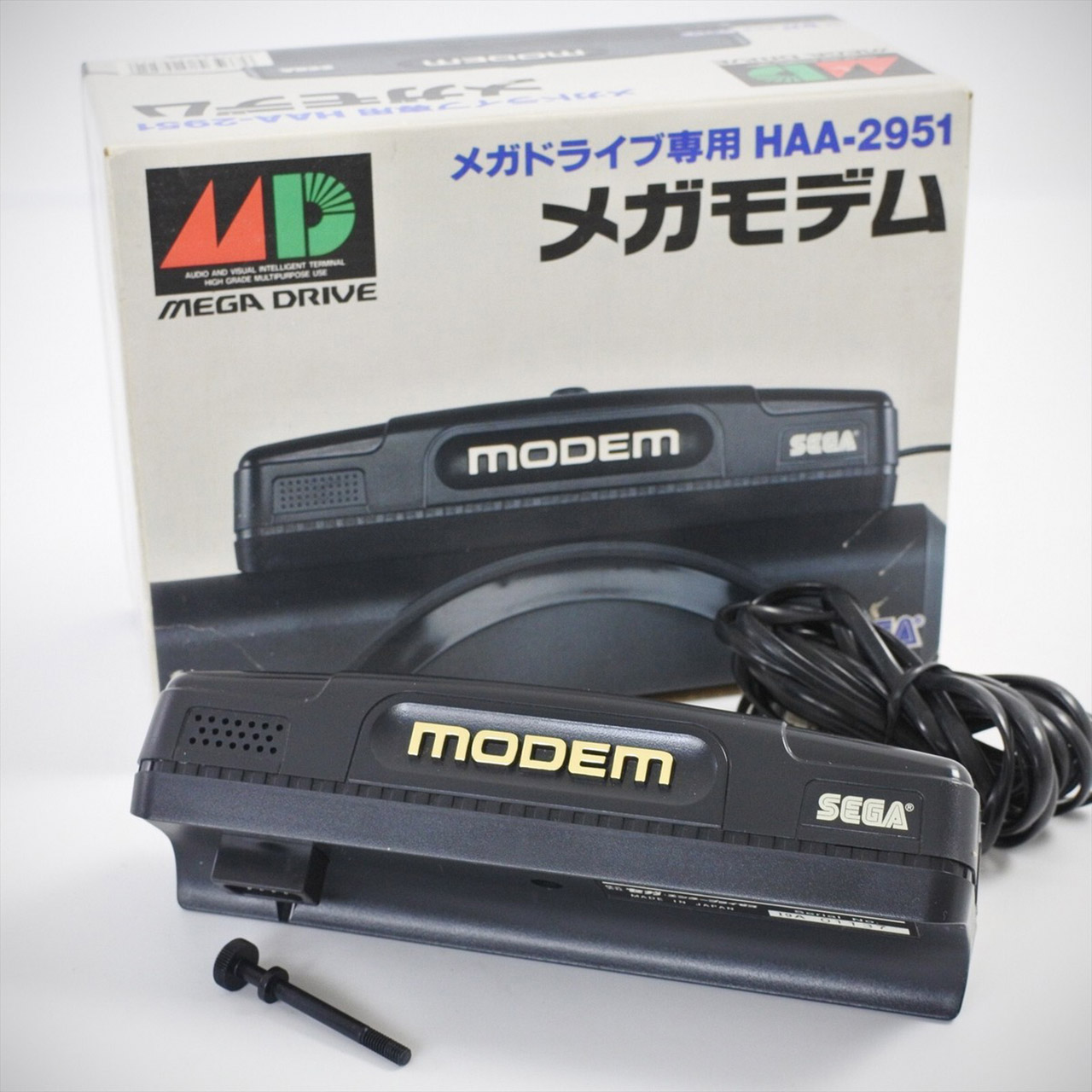
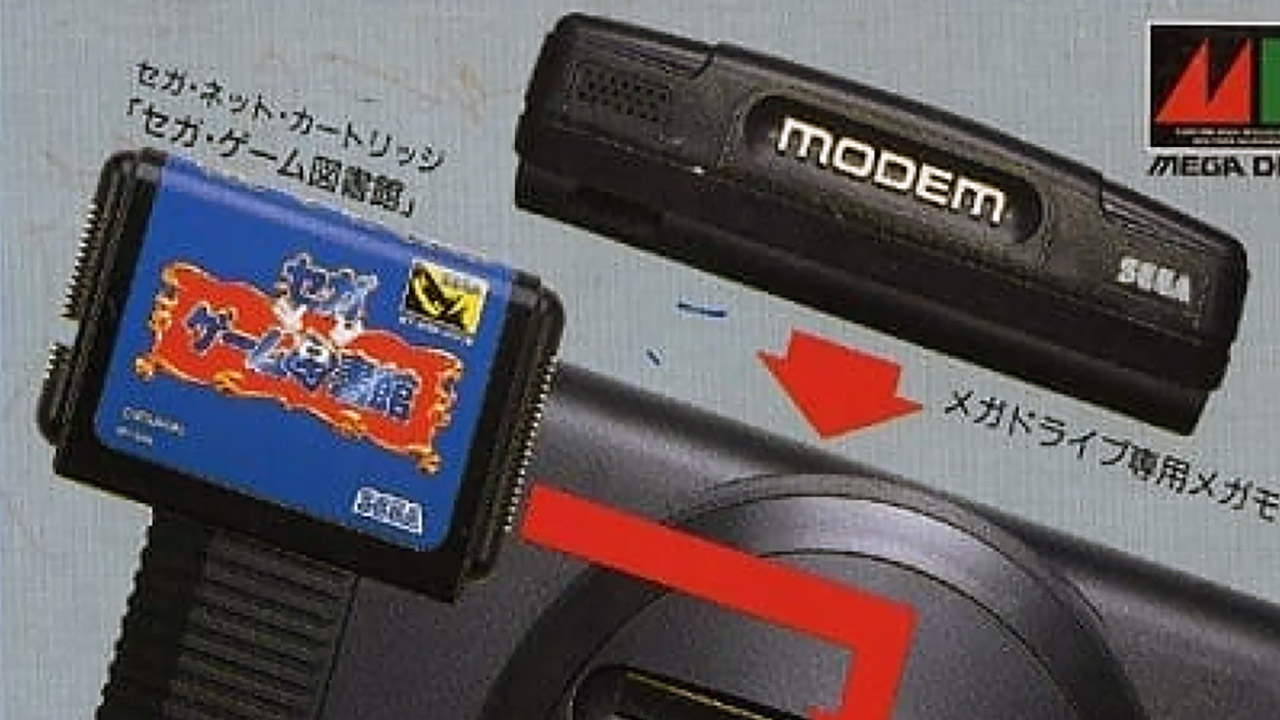
The setup began with a special kit, which cost approximately $100 ($250 today). Inside came the Mega Modem, a small box that snapped onto the console’s rear port. A simple connection was then made between the modem and the house phone line using an old splitter. Once they had built a dial-up connection, it ran at a decent 1200 bits per second, which was probably as good as anyone could hope for at the time. Of course, the speed imposed some obvious constraints on what you could do with it.
A cartridge called Game Library was what brought all the activity to life; it popped into the console slot and served as a portal into the world of internet gaming. Players browsed the various titles, selected one they wished to play, and then waited a few minutes for the game to download from SEGA servers. Most games were less than 128 kilobytes in size, making transfers manageable. By the time the download was finished, your new game was stored in memory and you were ready to play. During the Meganet days, 42 titles were released, the majority of them were single-player experiences ranging from puzzle games to simple action titles.
Only a few games ever allowed you to compete directly against someone else. There was Tel-Tel Stadium, where you could sit at home and play baseball against a genuine opponent, whether a buddy or a complete stranger from another town. Then there came Tel-Tel Mahjong, the classic tile game played in real time versus anybody you chose. To make it all work, designers had to retain the games turn-based so they could handle the inevitable pauses when data had to travel long distances – or when users received large phone bills. In the end, few individuals complained about lag because everyone understood that using a standard phone connection came with some drawbacks.
SEGA then expanded the Meganet offering to include sports scores and news, as well as tie-ins with Nikkan Sports. Some users even utilized the same modem equipment for home banking, which came with an add-on package called Mega Anser. This kit included a numeric keypad and an optional printer, allowing you to check your bank accounts and transfer money across partner banks. It demonstrated SEGA’s willingness to push the boundaries of what a game machine could be, transforming it into something that people could actually use as a tool in their daily life.
News of the service spread quickly across North America, and SEGA officially launched it at the Winter Consumer Electronics Show in January 1990, albeit under the very cumbersome name of Tele-Genesis. Advertisements and previews in numerous magazines fueled the enthusiasm, promising, in typical over-the-top form, the same downloadable pleasure for Genesis users, but the complete launch never occurred over there. There were a number of reasons why not, including concerns about phone bills, a slow acceptance rate for consoles, and high development expenses, thus the entire concept was shelved.
In Japan, the service lasted only a year before being quietly discontinued. Month after month, the expenditures added up, and by 1992, the hardware was gathering dust on the bargain shelves, and the following Mega Drive model simply removed the needed port. SEGA chose to focus on fresh concepts, but Meganet’s brief existence left an impression. Fast forward to 1995, when Tectoy, a Brazilian distributor, launched a version of the service down there. That subsequent system was a little different in that it focused on email, faxes, and an electronic magazine rather than games, but it was still able to keep the modem spirit alive for a few years.
[Source]
SEGA Meganet Connected Gamers Over Phone Lines in 1990
#SEGA #Meganet #Connected #Gamers #Phone #Lines