Planets Collide Around a Distant Star and Leave Clear Traces in Its Light
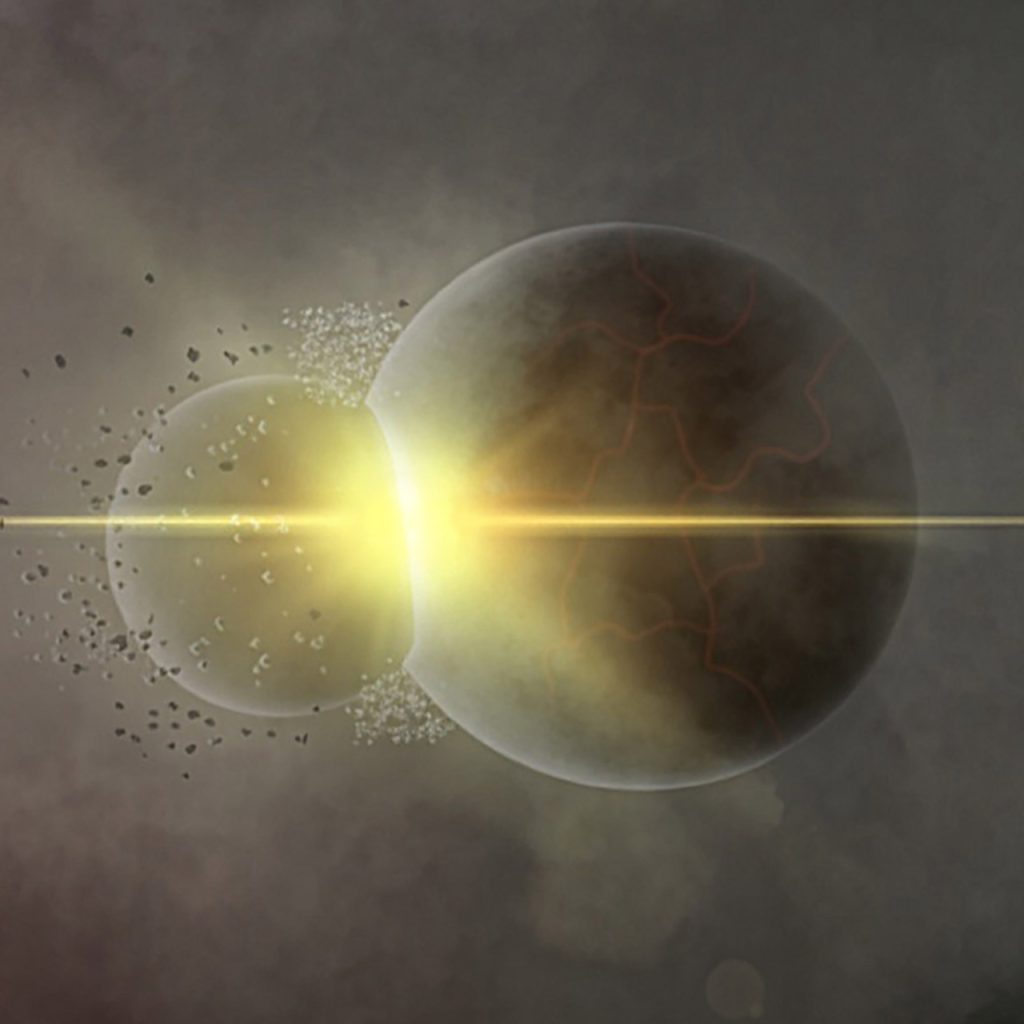
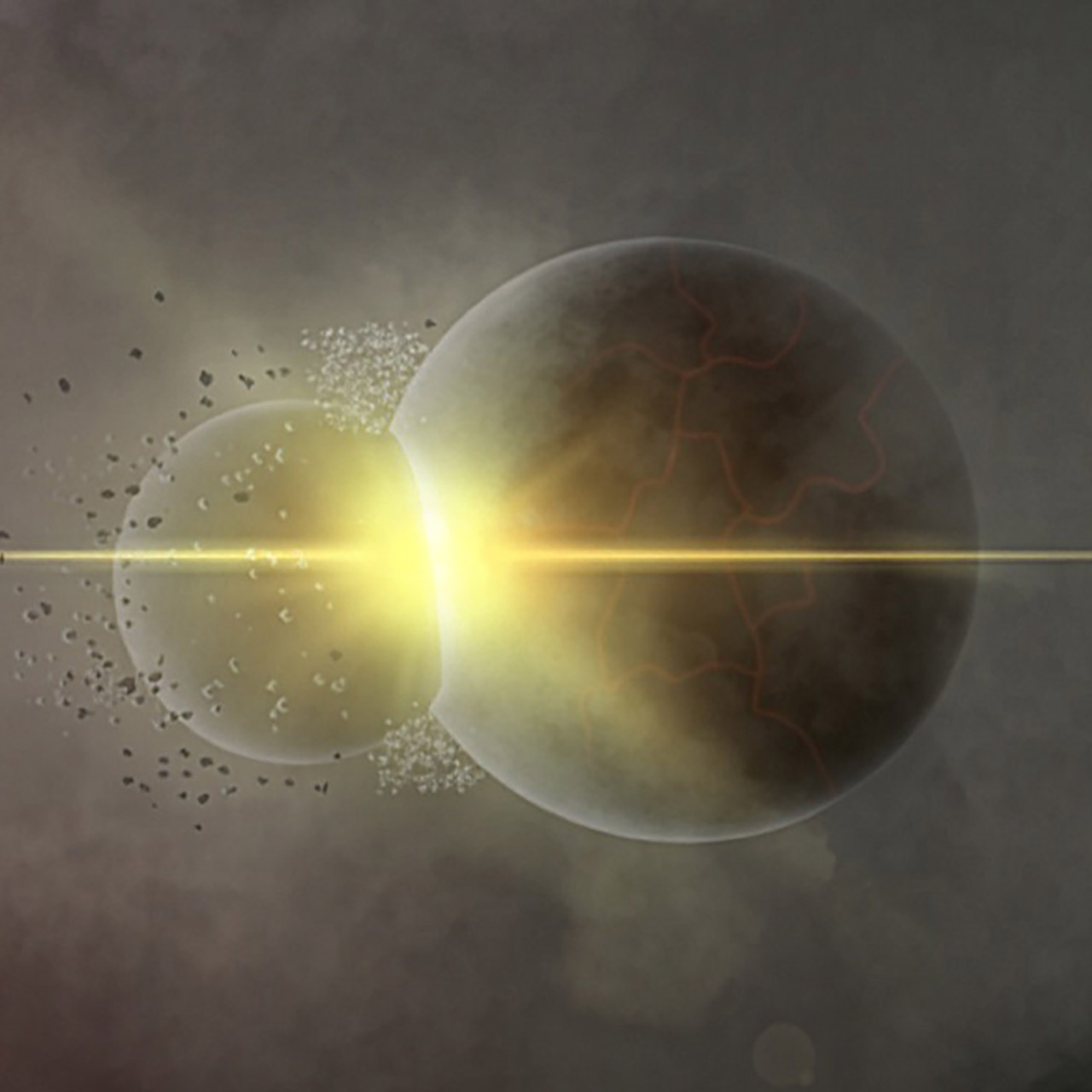
Photo credit: Andy Tzanidakis
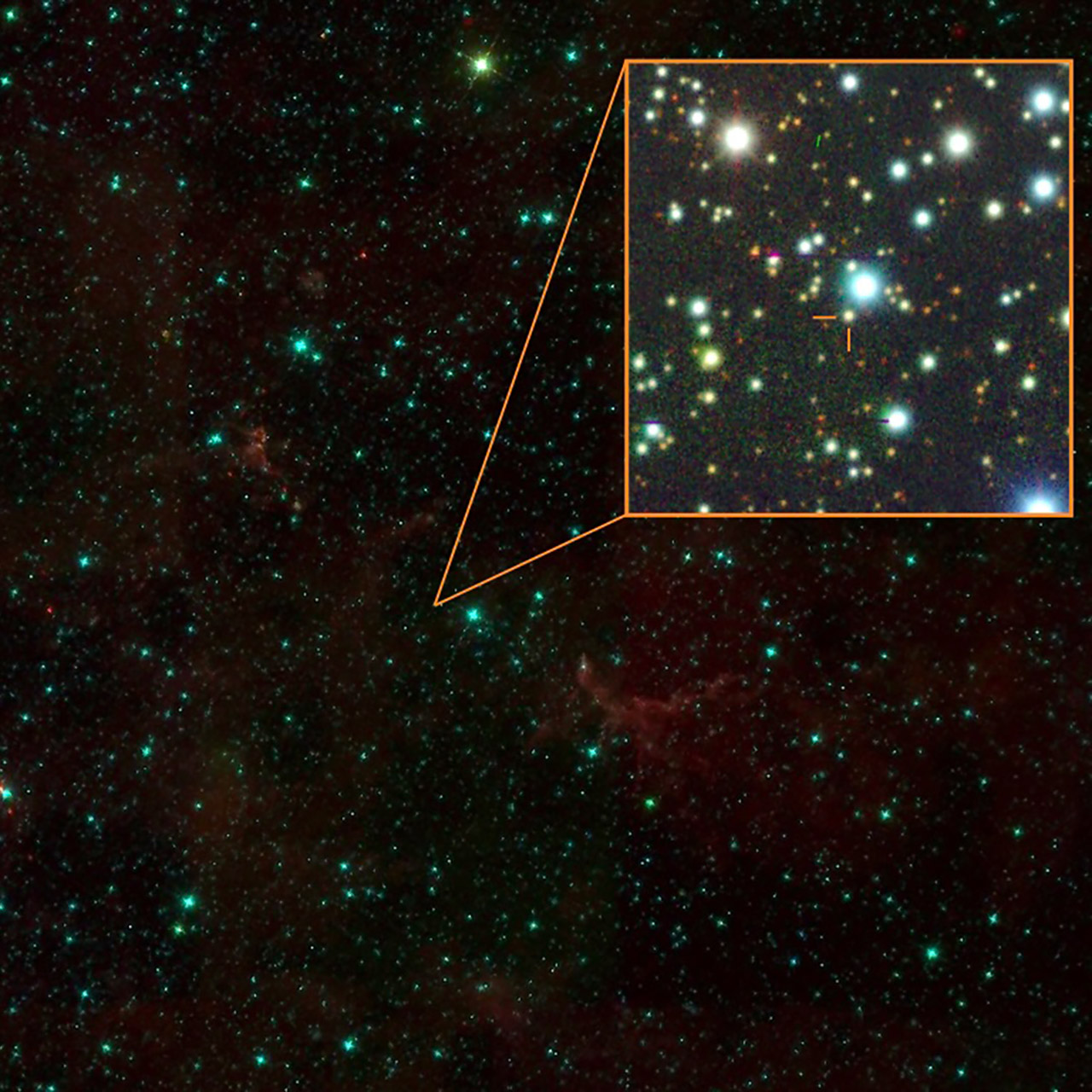
Graduate student Anastasios Tzanidakis reviewed old telescope observations from 2020 and discovered some somewhat irregular fluctuations in the brightness from the star Gaia20ehk. This star, which is quite similar to the sun in many aspects, is located in the Puppis constellation around 11,000 light years away.
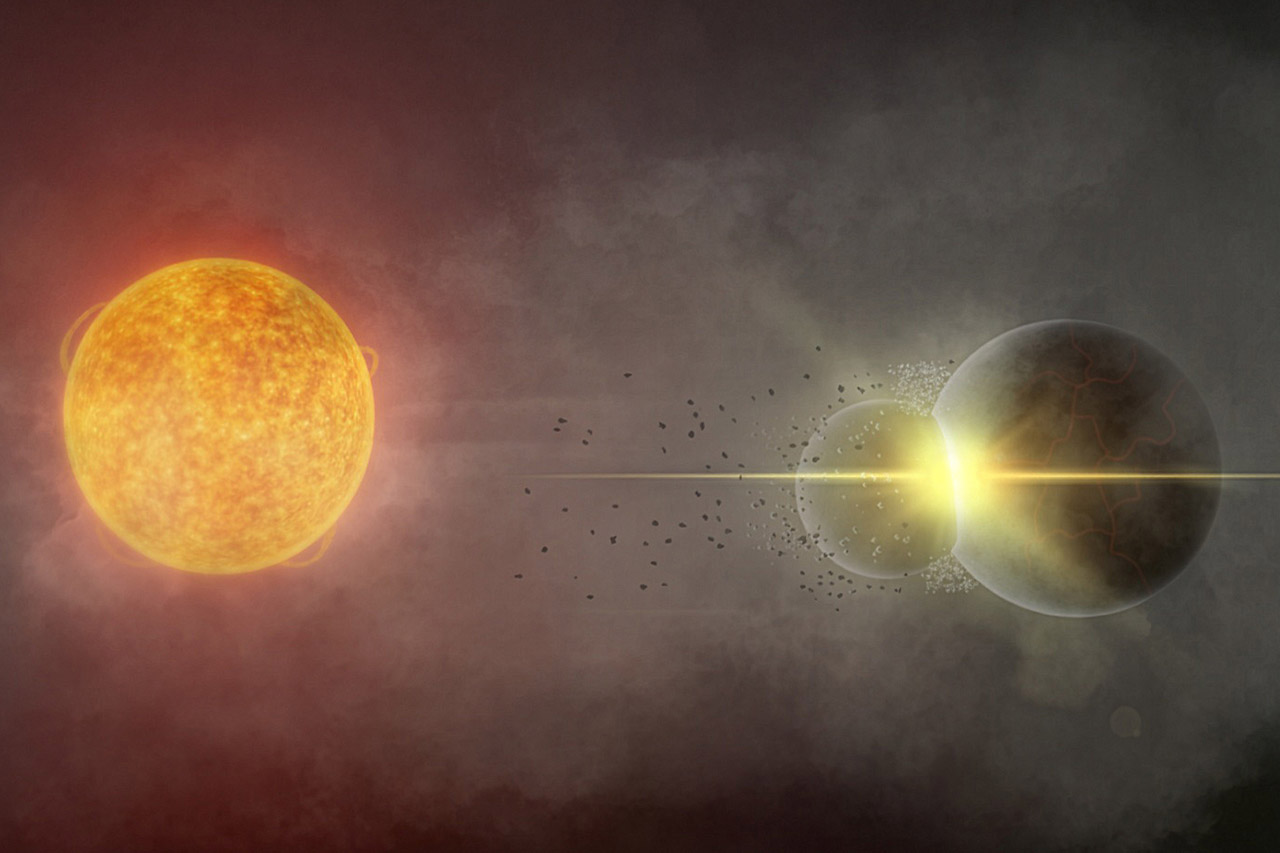
The star’s light has been consistent until 2016, when it began making a few appearances, three minor dips in visible light that were quickly resolved. Then, in 2021, things began to become very weird, with the star flickering and steadily reducing visible light, indicating that large clumps of rock and dust were passing in front of it. Now, we have all this debris flying around the star, causing problems and blocking sections of its light on a fairly frequent basis, but if you turn to infrared, you see the reverse pattern, with a massive jump in brightness while visible light struggles to keep up.

LEGO Technic NASA Artemis Space Launch System Rocket Building Toy for Boys & Girls – STEM Learning…
- BUILD AN OFFICIAL NASA ROCKET – Kids prepare to explore outer space with the LEGO Technic NASA Artemis Space Launch System Rocket (42221) building…
- 3-STAGE ROCKET SEPARATION – Young builders can turn the hand crank to watch the rocket separate in 3 distinct stages: solid rocket boosters, core…
- STEM BUILDING TOY FOR KIDS – This educational rocket kit was created in collaboration with NASA and ESA to showcase the authentic system that will…
James Davenport was senior author of this project at the University of Washington, and what his team discovered was really cool: infrared data revealed heated objects glowing on its own, with temperatures around 900 degrees Kelvin. We’re also talking about a mass of fine dust around the size of a small moon, such as Enceladus, but the original planets involved were rather large.
The early dips appear to have been caused by the planets having a few close misses, essentially grazing impacts, before the main smash occurred, resulting in the large hot debris cloud that is now floating around, about one astronomical unit away from the star. Now, the pattern we’re seeing down there resembles what we believe happened to early Earth when it was pounded by a massive impact billions of years ago, producing our moon in the process.
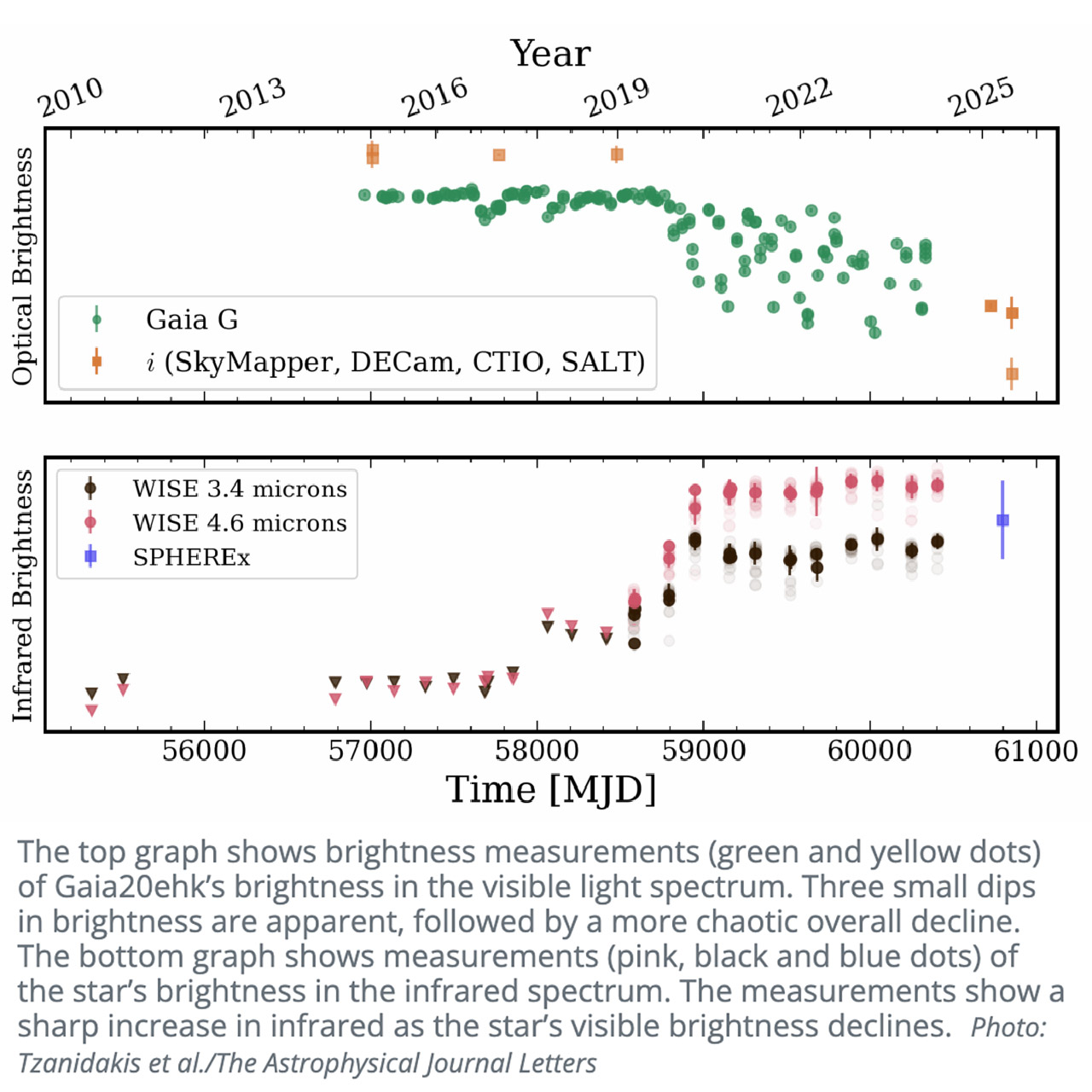
According to Tzanidakis, the star’s visible brightness faded precisely as the infrared readings began to peak. That means that whatever material is obscuring the star must be hot enough to emit infrared light. So, the planets had a series of globe-skimming encounters before the great smash that caused all that infrared noise.
This type of discovery allows us to learn more about how planets interact and settle in for the long term in nascent solar systems. The best part is that we can just keep observing the star to see how its debris cloud evolves over time, as well as possibly witness some of the particles binding together and forming new planets.
[Source]
Planets Collide Around a Distant Star and Leave Clear Traces in Its Light
#Planets #Collide #Distant #Star #Leave #Clear #Traces #Light