Bell x DARPA’s X-76 Promises to Rewrite the Rules of Military Flight
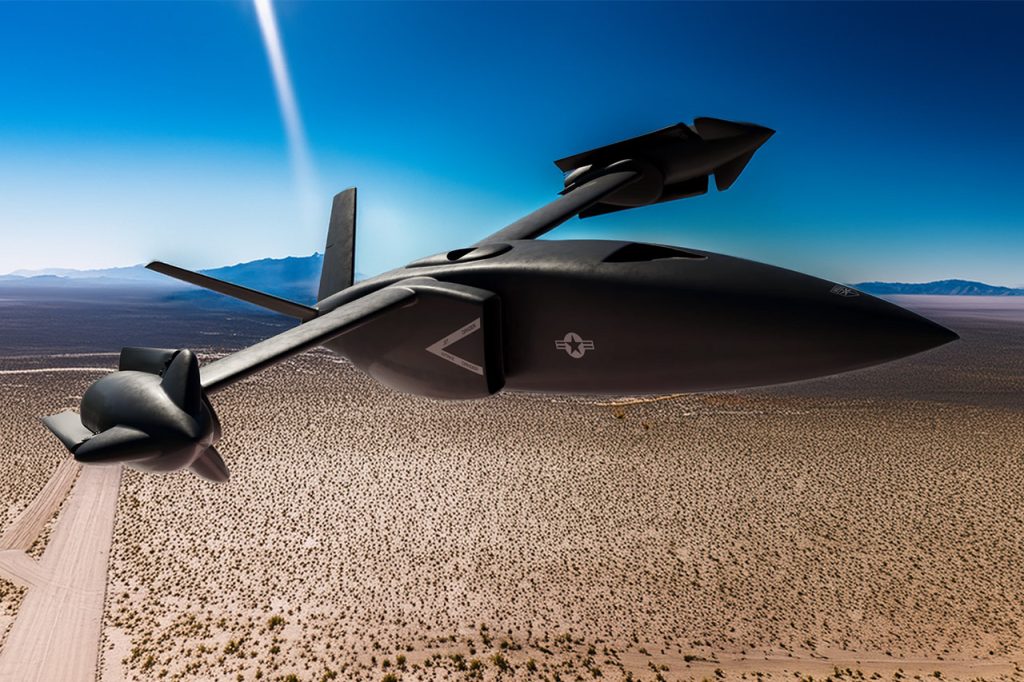
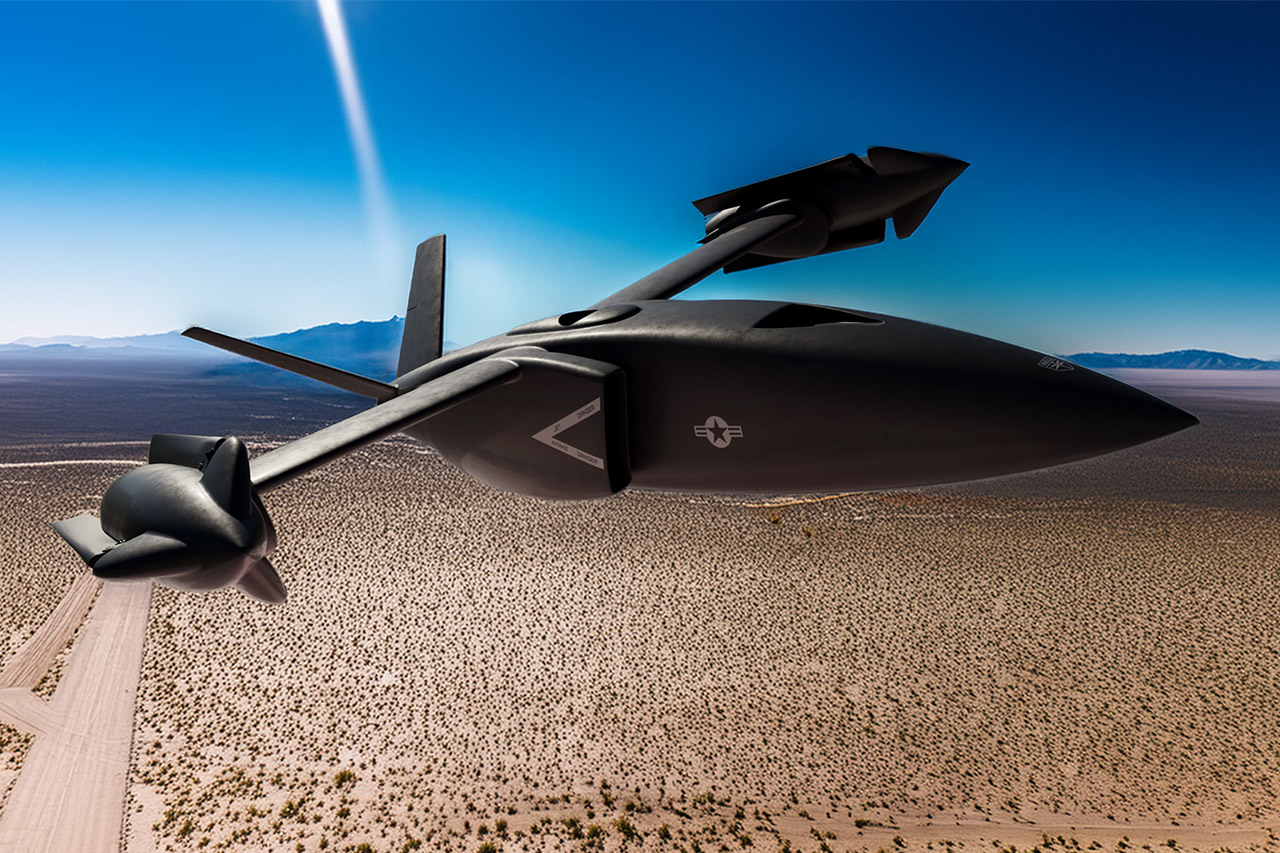
DARPA and Bell Textron collaborate on an experimental aircraft that takes off and lands vertically, like a helicopter, but can cruise at jet speeds once airborne. This is known as the X-76 under DARPA’s SPRINT program, which stands for Speed and Runway Independent Technologies. It’s part of a long-standing military challenge: fixed-wing aircraft provide maximum speed, but only if you have a runway to land on; helicopters, on the other hand, can take off and land almost anywhere, but they can’t fly as fast. The X-76 seeks to address this.
Bell’s concept is a tiltrotor configuration, but with a unique twist. When hovering or flying at low speeds, the large rotors on the wingtips conduct all of the work, with power from the turboshaft engine. However, as the aircraft accelerates (we’re talking 150 to 200 knots), the wings kick in and begin generating lift on their own, at which time the rotors feather, begin moving out of the way to save energy, and eventually stop spinning entirely. Once stopped, they fold back against the engine nacelles. After that, the power is transferred to a jet nozzle at the back of the engine, allowing you to fly quickly and cleanly without the drag penalty of spinning blades.

DJI Neo, Mini Drone with 4K UHD Camera for Adults, 135g Self Flying Drone that Follows You, Palm Takeoff…
- Due to platform compatibility issue, the DJI Fly app has been removed from Google Play. DJI Neo must be activated in the DJI Fly App, to ensure a…
- Lightweight and Regulation Friendly – At just 135g, this drone with camera for adults 4K may be even lighter than your phone and does not require FAA…
- Palm Takeoff & Landing, Go Controller-Free [1] – Neo takes off from your hand with just a push of a button. The safe and easy operation of this drone…
The stop/fold system is at the heart of the innovation here, as unlike previous tiltrotors, such as the V-22 Osprey, which keep their rotors whirling even when in forward flight, the X-76 can simply fold them up and continue flying. That means it can travel significantly quicker, with some estimates putting it at over 400 knots, potentially even 450, and covering lengths of approximately 1,000 nautical miles with a payload of a thousand pounds or so. It can even be operated from a rough area of land, eliminating the requirement for a beautiful airfield.
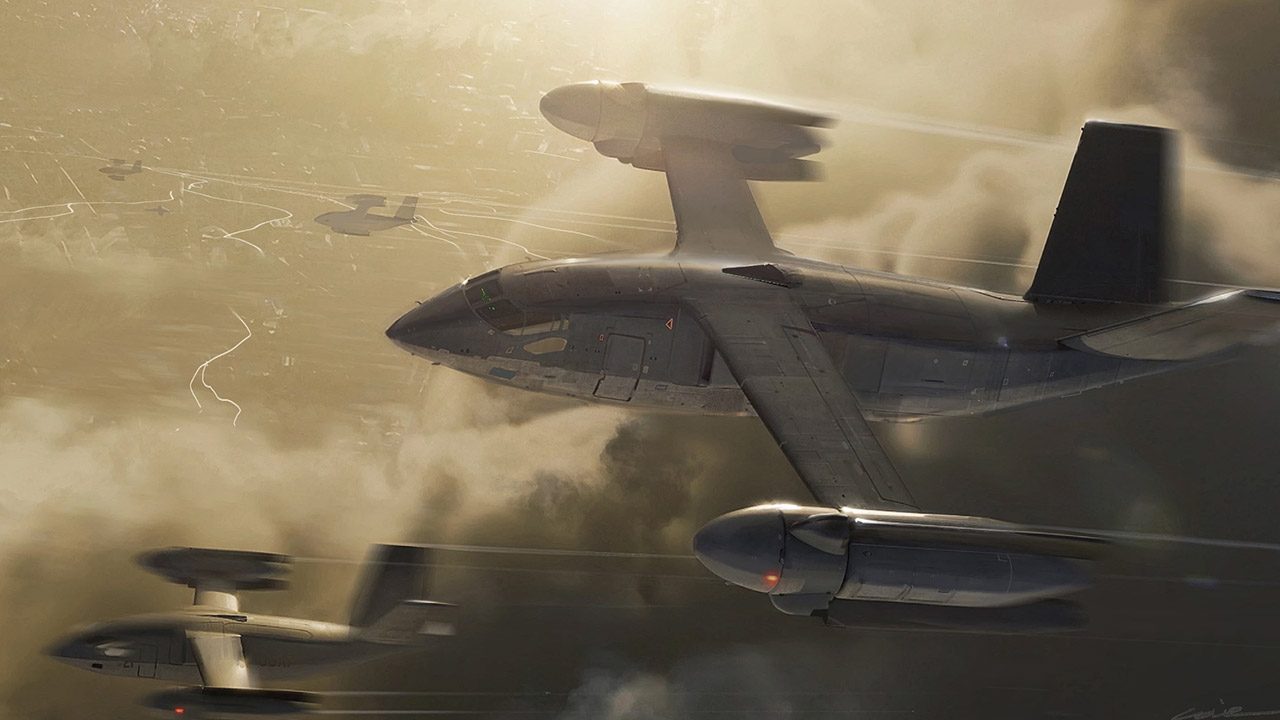
DARPA launched the SPRINT program in late 2023, with Bell and another business working on early prototypes. Bell secured the contract for the detailed design in 2025, followed by a critical design assessment, and received the official X-76 designation in early 2026, coinciding with the United States’ 250th birthday. They are currently creating the demonstrator, which will be tested on the ground before flying in 2028.
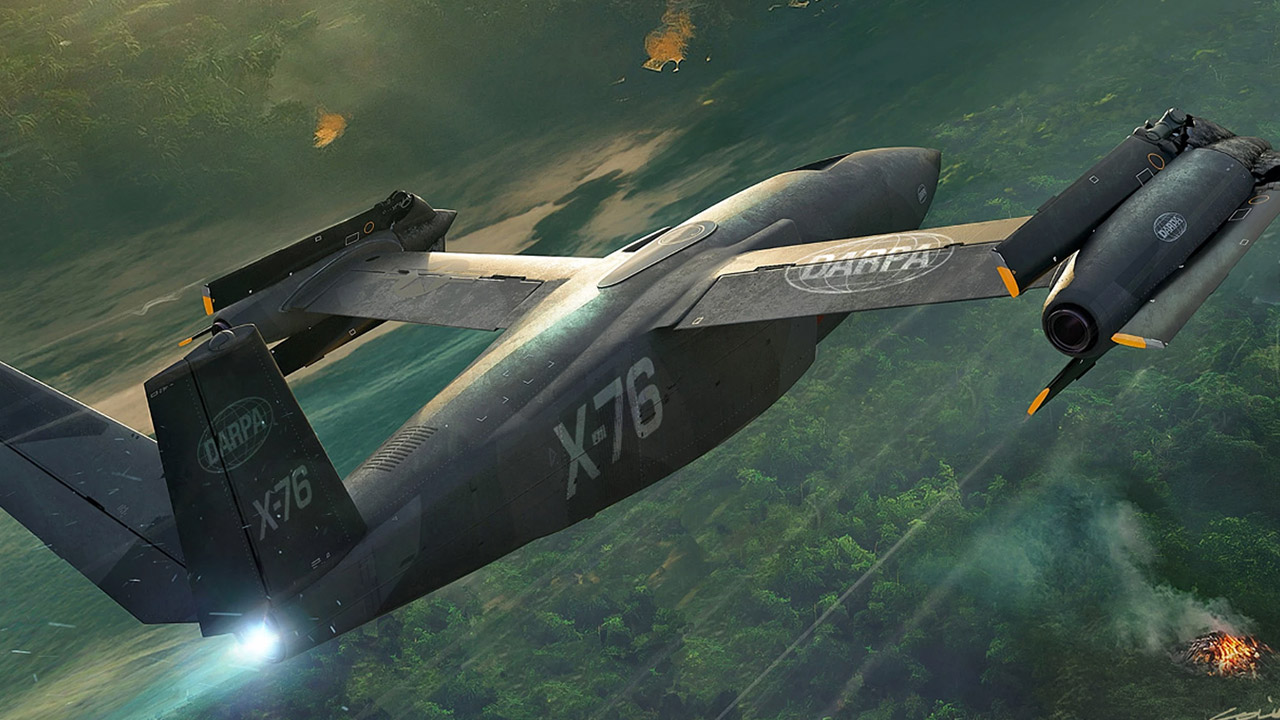
The prototype’s designs show it as a sleek, unmanned aircraft, but Bell’s also considered scaled-up versions that might carry humans and weigh anything between 4,000 and 100,000 pounds. The concept is based on Bell’s years of expertise with vertical-lift machines like as the V-280 Valor, but they’ve gone a step further and simplified the power transmission by eliminating all of the intricate gearboxes and instead using two independent thermodynamic cycles: one for the rotors and another for the jet.
[Source]
Bell x DARPA’s X-76 Promises to Rewrite the Rules of Military Flight
#Bell #DARPAs #X76 #Promises #Rewrite #Rules #Military #Flight