Turning Ordinary Silicon Wafers Into Working Solar Cells With a Microwave Kiln
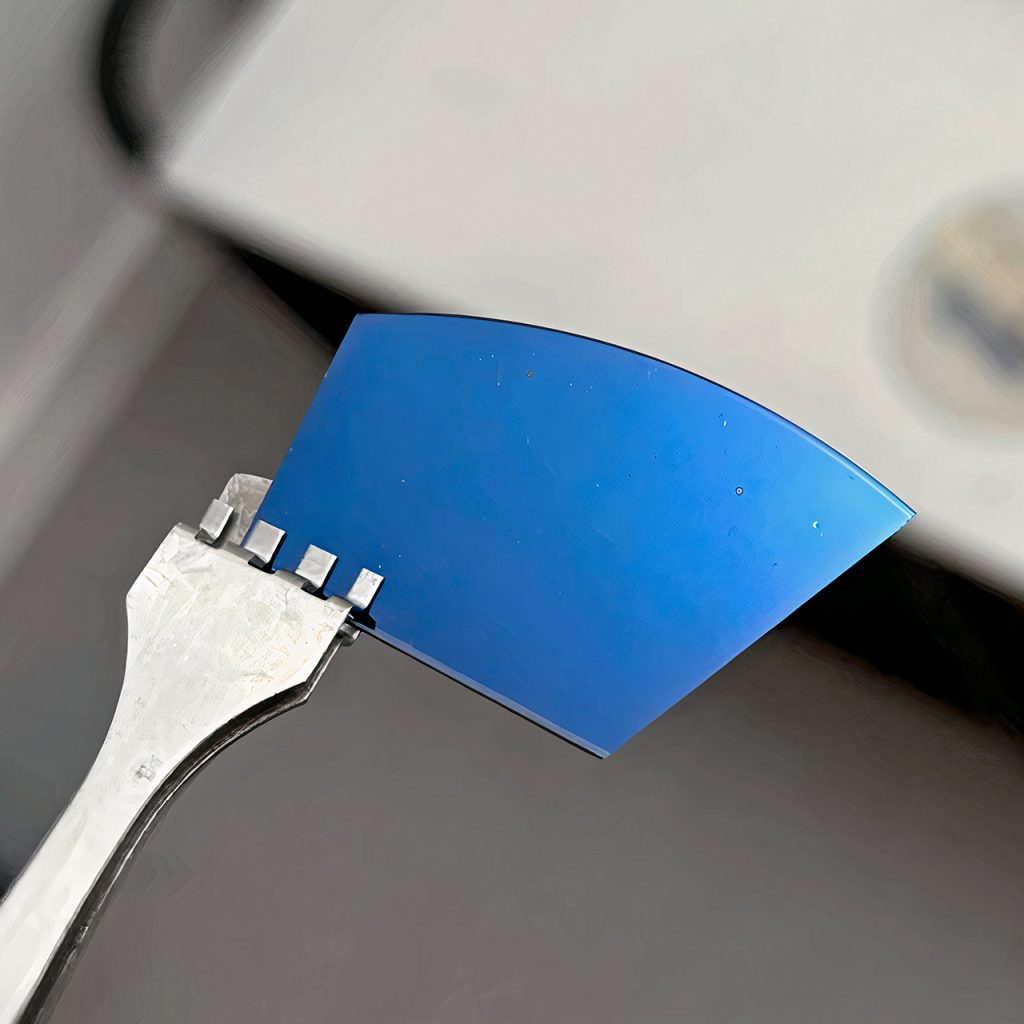
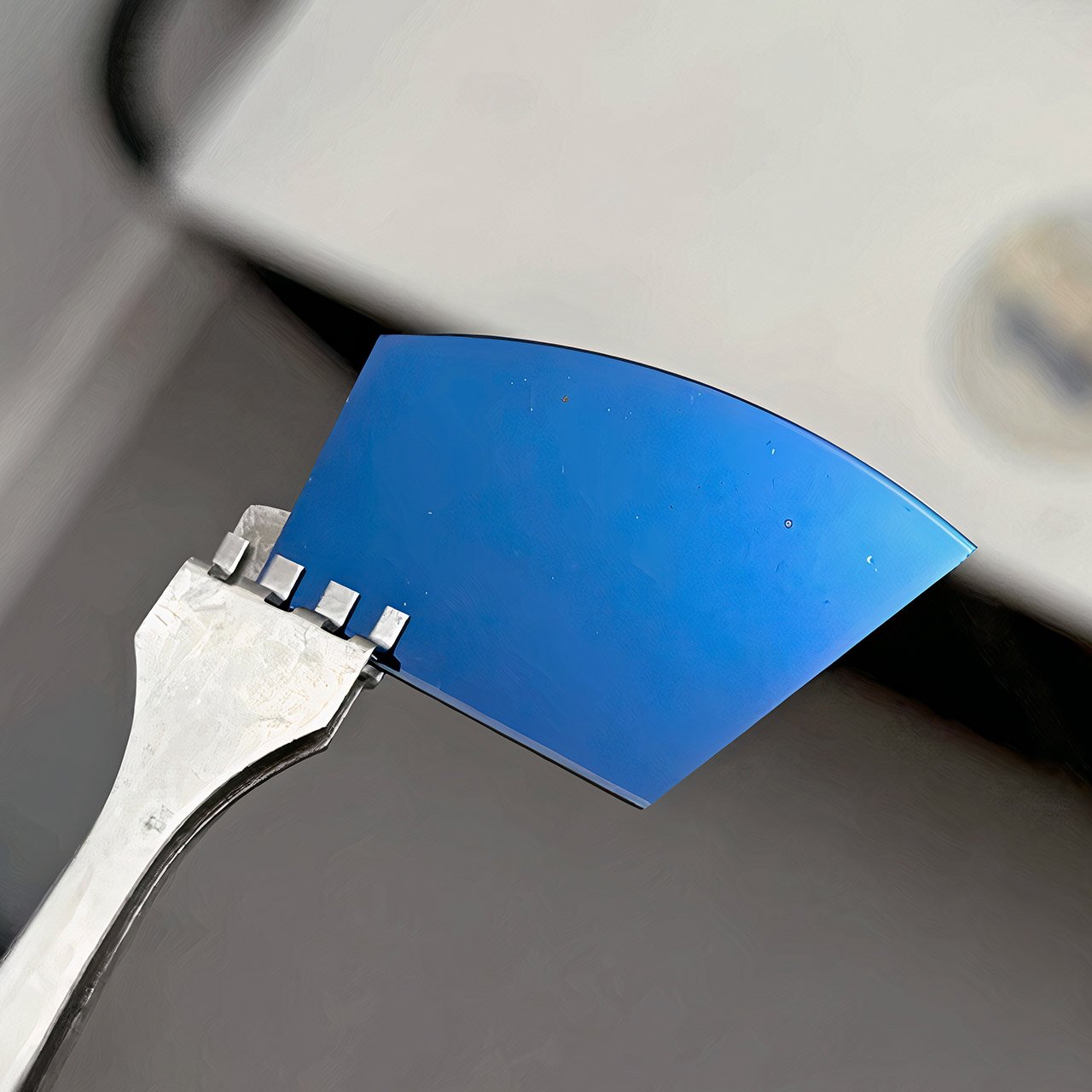
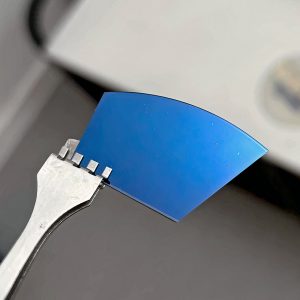
Silicon wafers sit in online carts for a few dollars, plain p-type disks cut from larger crystal ingots and free of any factory patterns. A short score with a diamond or silicon-carbide scribe splits them into small squares a few millimeters across, then a rinse in isopropyl alcohol and distilled water clears the dust left by the break. Those squares already carry the positive side of a solar cell. The missing piece is a thin negative layer of phosphorus atoms driven a fraction of a micrometer into the surface so light can knock electrons loose and send them around a circuit.
Phosphorus is put into a homemade glass precursor, which is a concoction cobbled together from random items on the shelves. To prepare this solution, mix one milliliter of tetraethyl orthosilicate with half a milliliter of phosphoric acid, five milliliters of ethanol, and a quarter milliliter of water. Following a moderate stir for thirty minutes, the liquid is splashed out onto a spinning PC fan, where it covers the wafer face while Kapton tape is stretched around the edges to keep everything clean and prevent the coating from creeping out and shorting the device. After the solvent has dried, the coated wafer is placed in a miniature microwave kiln, which is a small ceramic box with an inner lining that absorbs microwave radiation and transforms it into heat.
Sale

BLAVOR Solar Power Bank 10,000mAh Portable Wireless Charger for Cell Phones | 20W USB-C battery pack…
- Brand-Oriented and Outdoor Charger Pro: With over 10 years of experience in solar power banks, BLAVOR has already gained the favor and trust of…
- Leading USB C Input Output Tech and Wireless: The latest upgrade includes a USB-C output with 20W fast charging capability, which can charge your…
- Premium Battery and Smallest Solar Charger: BLAVOR uses the safer Lithium-cobalt battery, which is 50% more cycling times than a normal Li-polymer…
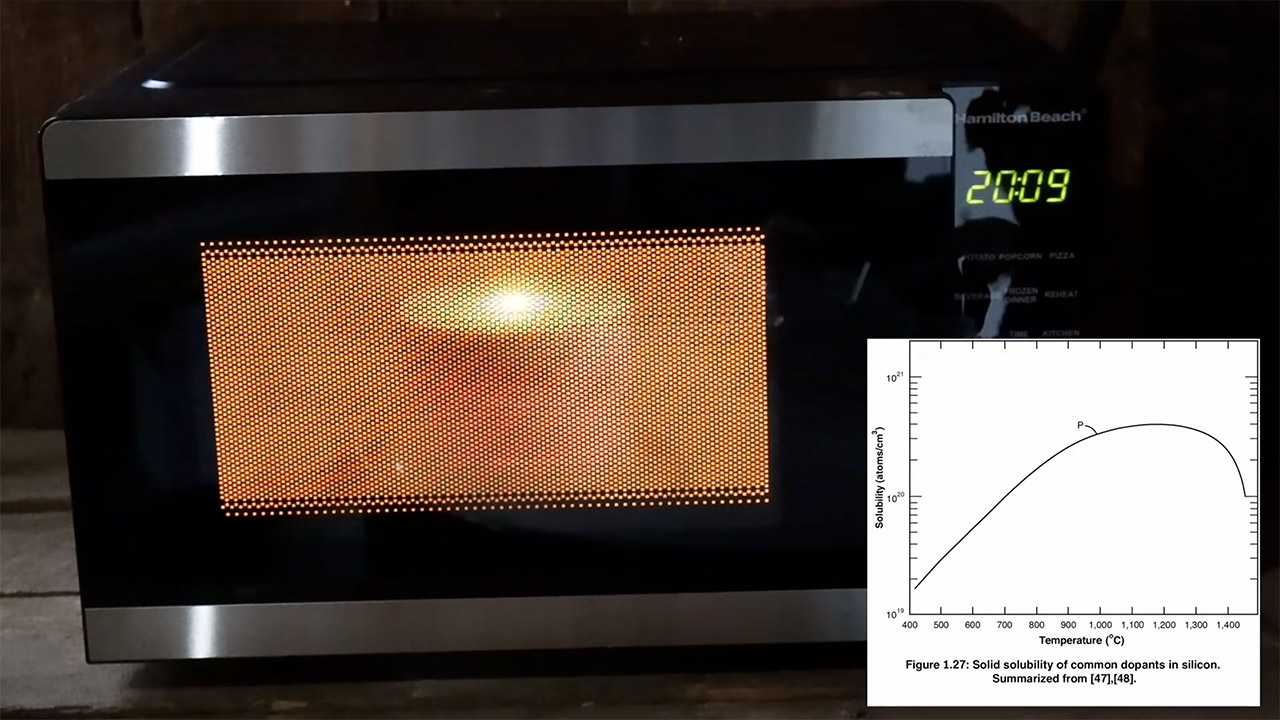
That kiln is powered by a 900-watt household microwave set to 40% power for half an hour, which heats the kiln to around 1,000 degrees Celsius, just high enough for the phosphorus to drift in beautifully but not so hot that the silicon melts. At full power, the kiln flashes bright red and melts the wafer into a puddle of almost fourteen hundred and odd degrees, a sobering reminder that we’re only a few clicks away from disaster at this point.
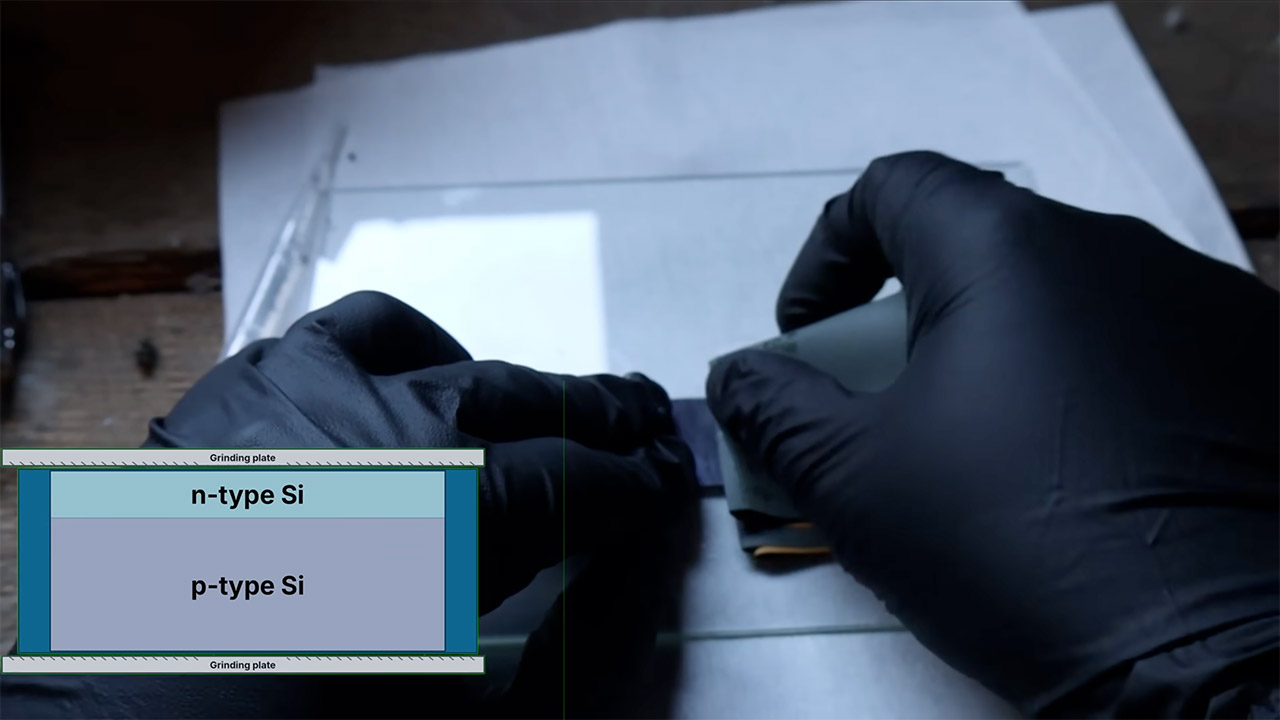
After the kiln has cooled slightly, a thin glass skin forms on both faces. All you have to do now is use a piece of two thousand grit sandpaper and a splash of water to knock some windows through that skin in a dozen gentle strokes, or if you prefer, use a dilute rust remover with a little hydrofluoric acid in it, but make sure to wear gloves and ventilation gear while you’re at it. Finally, the soft metal contacts are applied, and a liquid gallium-indium mixture is placed against the original p-type back side inside a small printed pocket, while a glob of indium is pressed against the newly doped front.
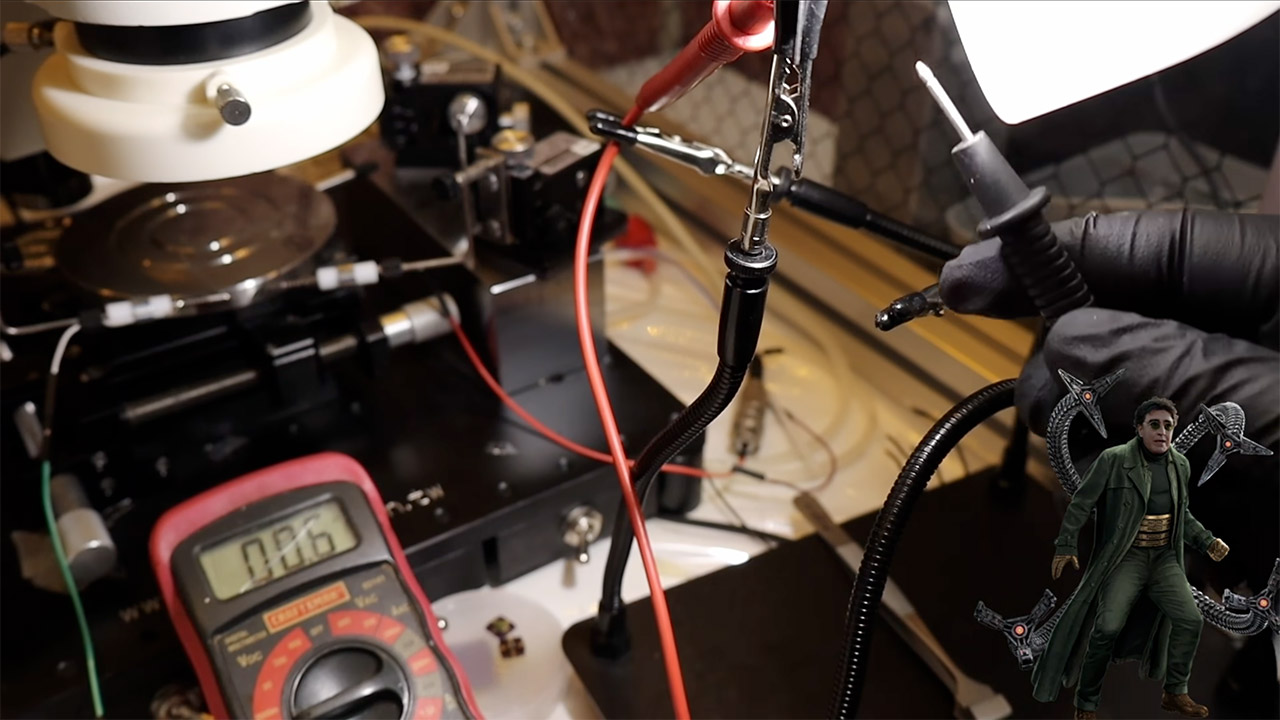
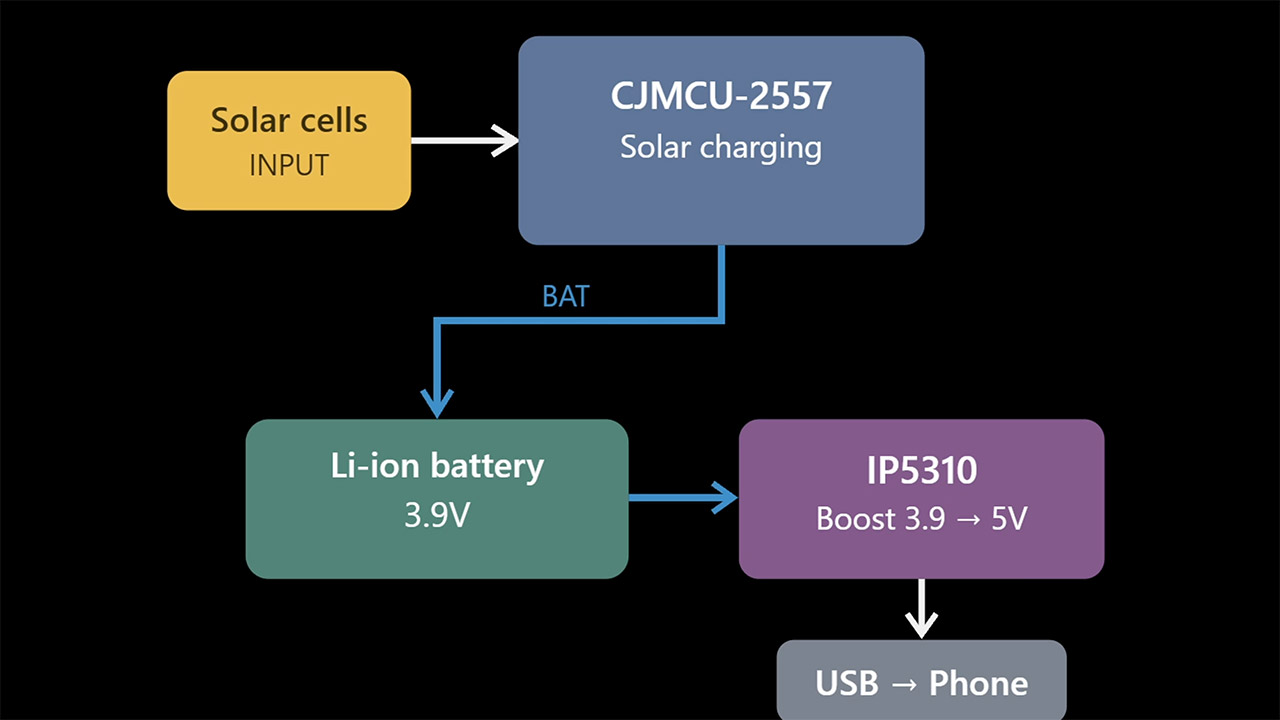
Under normal room lighting, the junction produces a clear voltage swing on a multimeter, and when the sun shines, this thing produces a whopping 5% efficiency, which isn’t bad for something that’s essentially a small energy harvester board that can trickle charge a lithium cell, which is then boosted up to 5 volts via a USB port. Of course, it will take months to charge a single little square, but the same methods can be used to connect several squares.
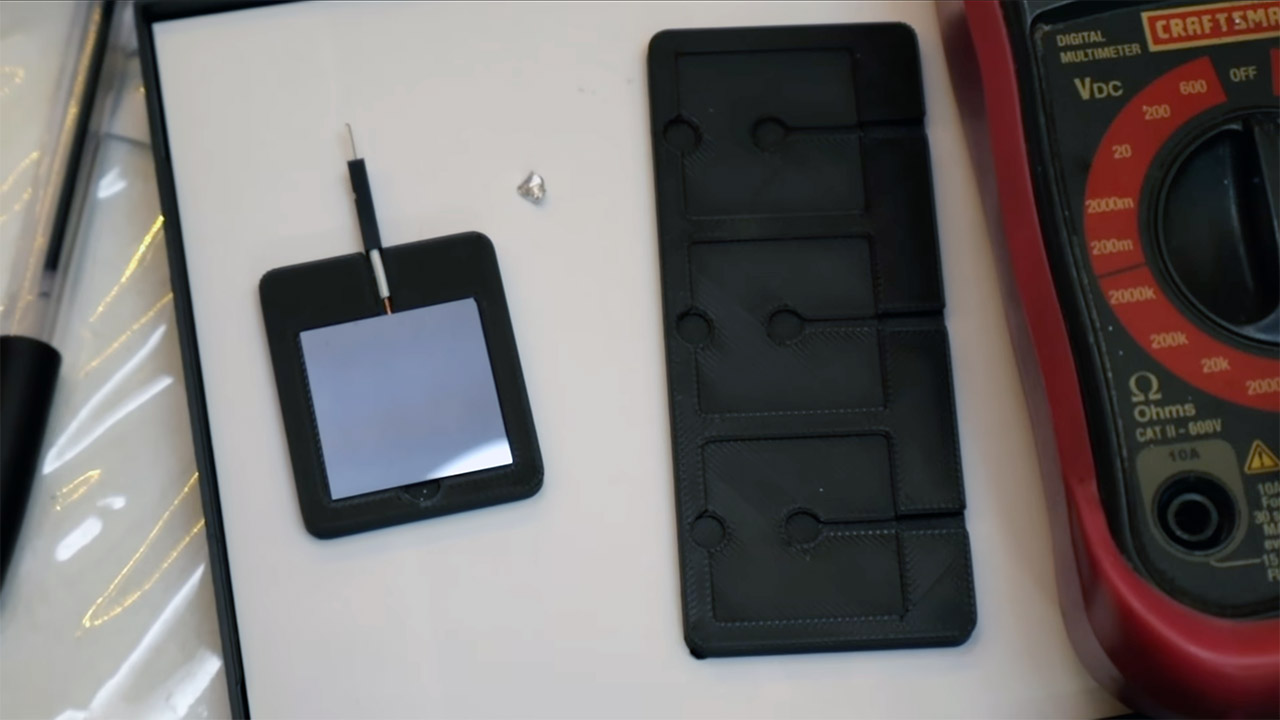
Everything in this project is from your local retail shelves and internet marketplace listings, including wafers, chemicals, a Walmart microwave, and the kiln itself. The outcome isn’t as excellent as commercial panels that are already available and clear 20% with antireflection coatings and clean-room doping, but it does demonstrate that a whole photovoltaic device can be cobbled together on your kitchen counter and still power a tiny load.
There is room for improvement, however, and once the basic junction is operational, it is clear what needs to be done: cleaning up the handling to reduce contamination, making better contacts that can collect current from the entire surface, and possibly applying a thin coating to allow more light to remain inside the silicon. The best part is that all of these steps employ the same low-cost tools. The microwave kiln demonstrated that it is possible to use one of these domestic appliances to provide heat that would previously have required a dedicated laboratory furnace.
[Source]
Turning Ordinary Silicon Wafers Into Working Solar Cells With a Microwave Kiln
#Turning #Ordinary #Silicon #Wafers #Working #Solar #Cells #Microwave #Kiln