Autowash Rolls Out Kuka Robots That Map Every Car for a Four Minute Touchless Wash
Drivers pull into a bay expecting the same spray pattern every time, yet modern vehicles keep changing shapes, sensors, and contours that older equipment never anticipated. Autowash founders Dennis and Erin Dreeszen recognized this mismatch years ago after building their Denver-based chain of touchless self-serve washes from a single site in 2013 to more than two dozen locations. Conventional machines relied on decades-old designs that struggled with electric vehicles and accessories, so the couple decided to rebuild the process around industrial arms rather than fixed nozzles.
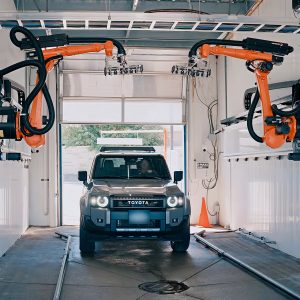
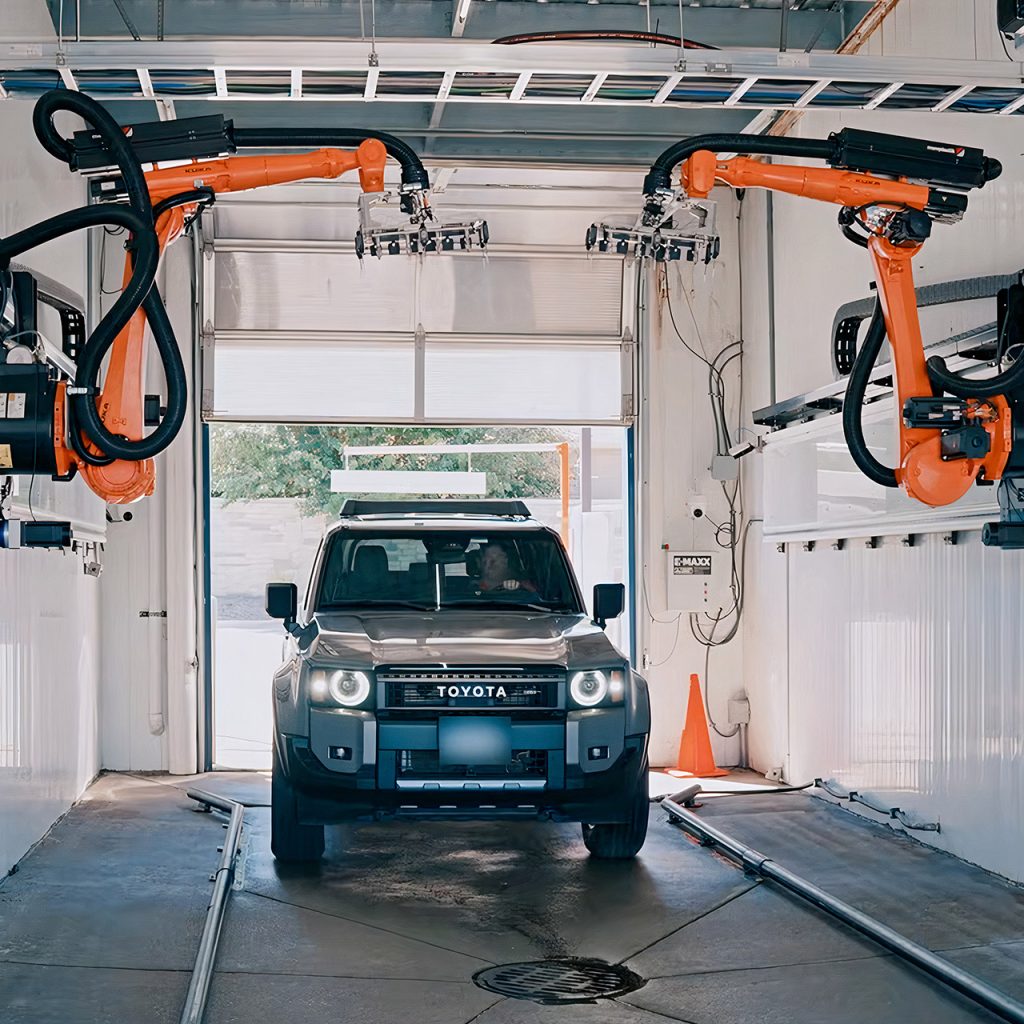
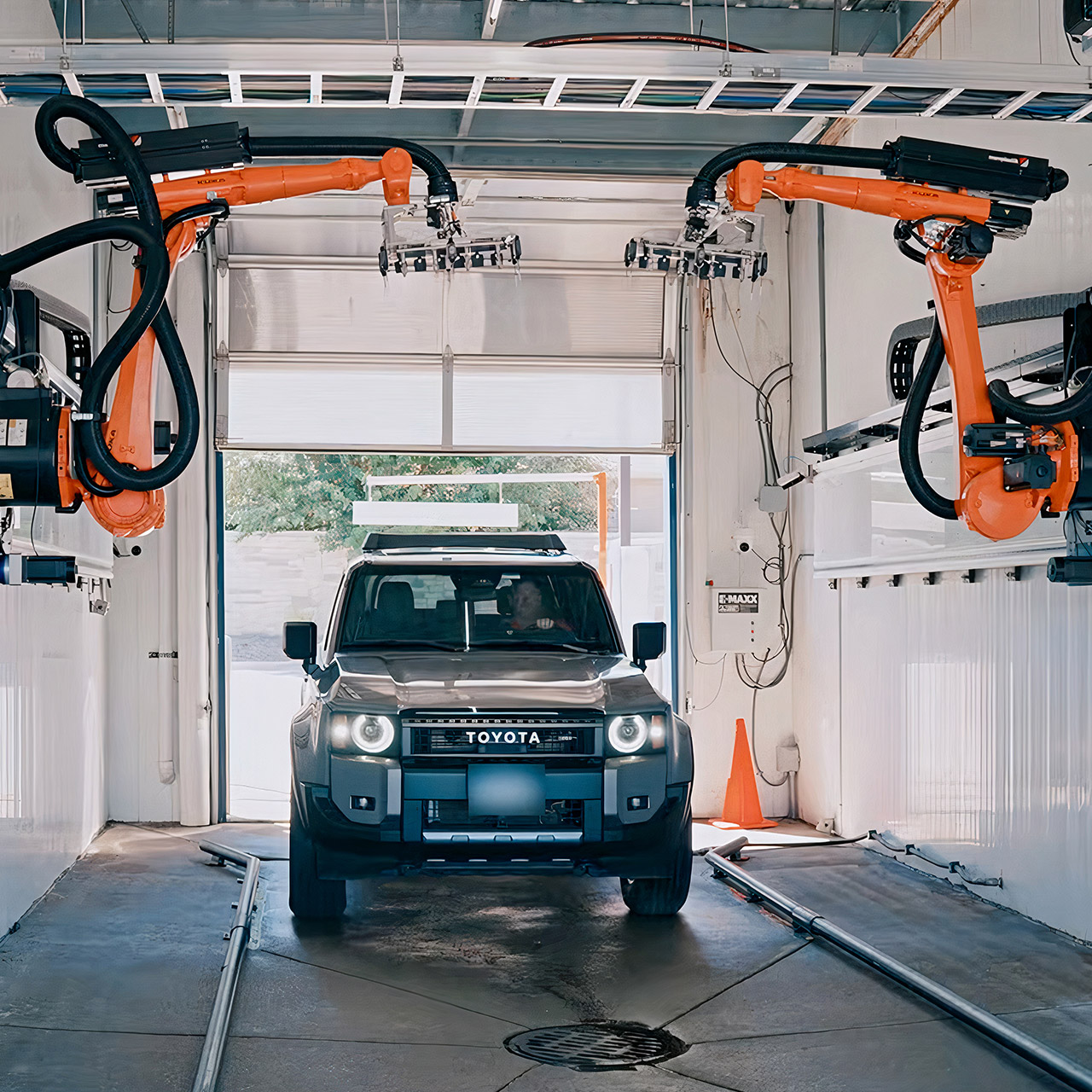
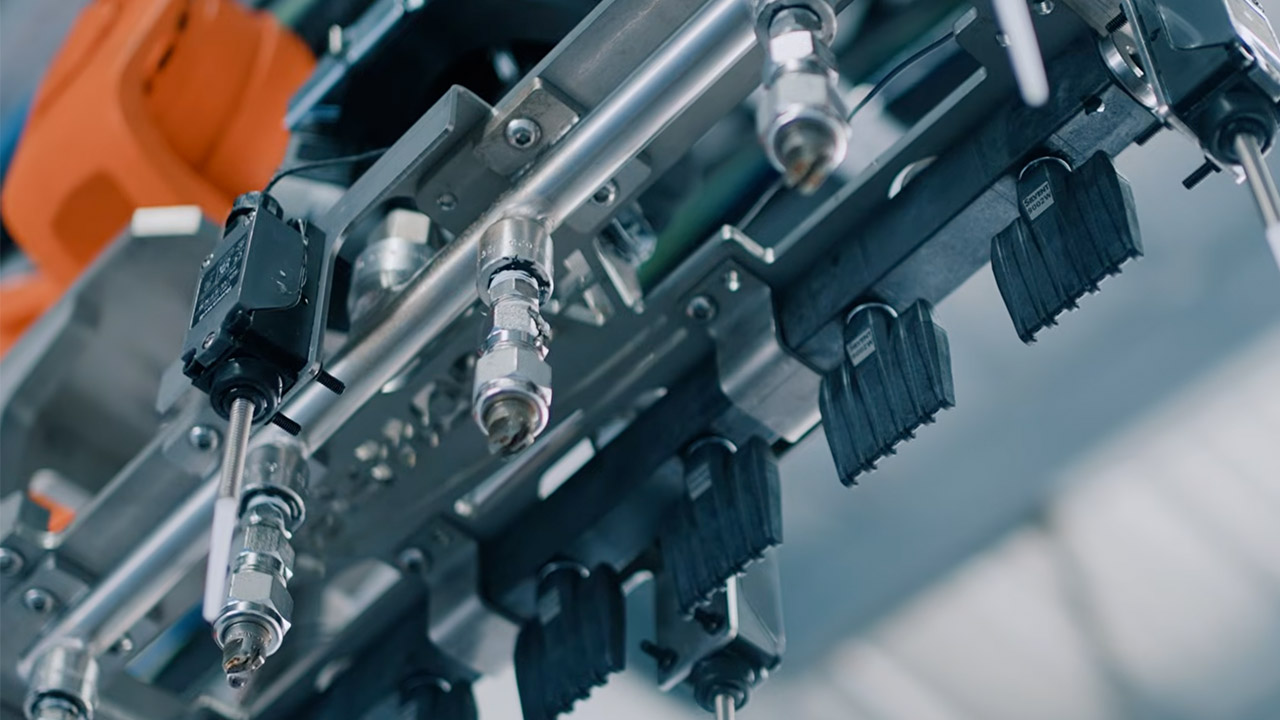
Each bay now houses two Kuka KR CYBERTECH Robots, which are mounted on very low-profile wall rails that allow them to move around more freely. Before any water flows, four cameras capture a new three-dimensional image of the car, including roof racks, spoilers, and any open doors. The software then goes to work creating a particular wash program for this exact car and feeding it to the arms, which carry custom tool heads that mix water jets, soap, and air nozzles. Each robot handles the entire rinse-wash-dry procedure by itself, staying six to eight inches away from any painted surfaces and simply spraying the unclean portions with water.
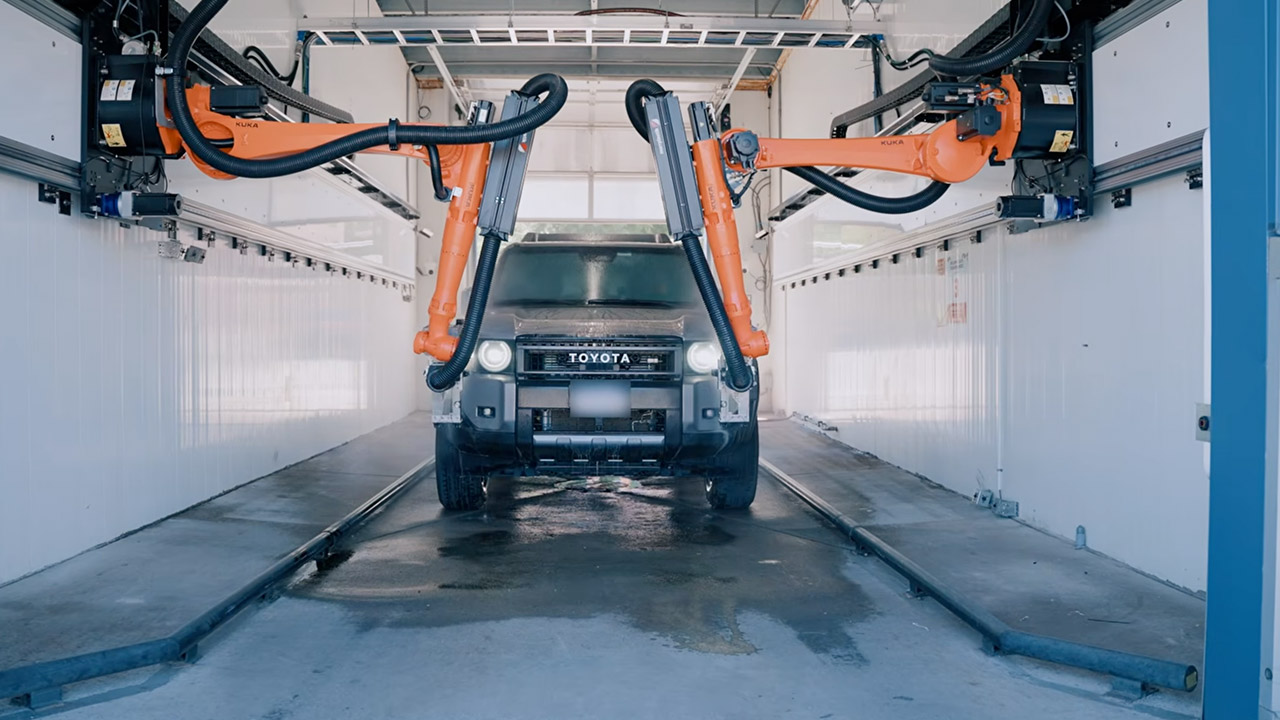
Water usage has decreased to roughly twenty gallons per car on average, which is a significant reduction from the forty to hundred gallons used by the old touchless systems, and because there is less of a mess, electricity consumption has decreased to about half as much. A regular wash cycle now takes approximately four minutes, which is half the time the old system took, and the operators believe they can squeeze out even more efficiency as they tighten the routes. Meanwhile, the entire system is becoming simpler, with the full setup requiring only about two hundred bits of equipment outside of the robots themselves, as opposed to the nine hundred bits of kit in the prior machines.
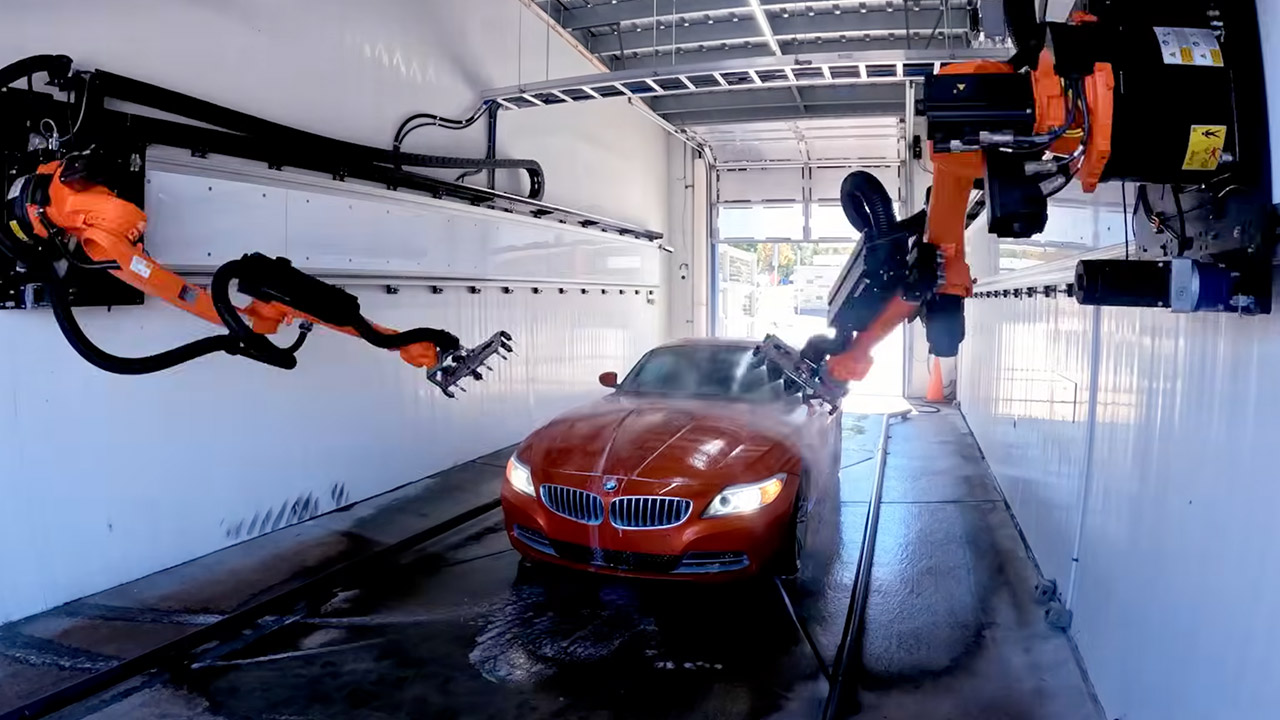
There are also other safety precautions in place throughout the process, such as additional cameras monitoring the bay for any persons or movement within, and they will immediately turn off the arms if either occurs. There are also sensors on the tool heads and torque limits in the controls to ensure that the robots do not get too close to anything they should not be touching, and because each vehicle receives a completely new scan, the same car can come in with a variety of different luggage or even after a recent detailing session and still receive the correct wash plan. Maintenance is rather simple, as the crew can perform all of the normal tasks after receiving some training with the installation.
Commercial deployment began fourteen months after development began, at the Lakeside location in Wheat Ridge, and the company is now gradually replacing all sixty-six bays in their network with the same configuration. Customer comment on how quickly the cars arrive and how nice they look has confirmed the decision, and the fact that they are utilizing fewer resources is assisting them in planning for expansion beyond Colorado. Industrial robots originally designed for factory floors are now traversing unique courses across common vehicles, producing extremely consistent results without the need for brush scrubbers and repeated spray cycles.
Autowash Rolls Out Kuka Robots That Map Every Car for a Four Minute Touchless Wash
#Autowash #Rolls #Kuka #Robots #Map #Car #Minute #Touchless #Wash