Strange Inventions Image Locator Camera Locates Every Possible Photograph Inside an Endless Image Archive
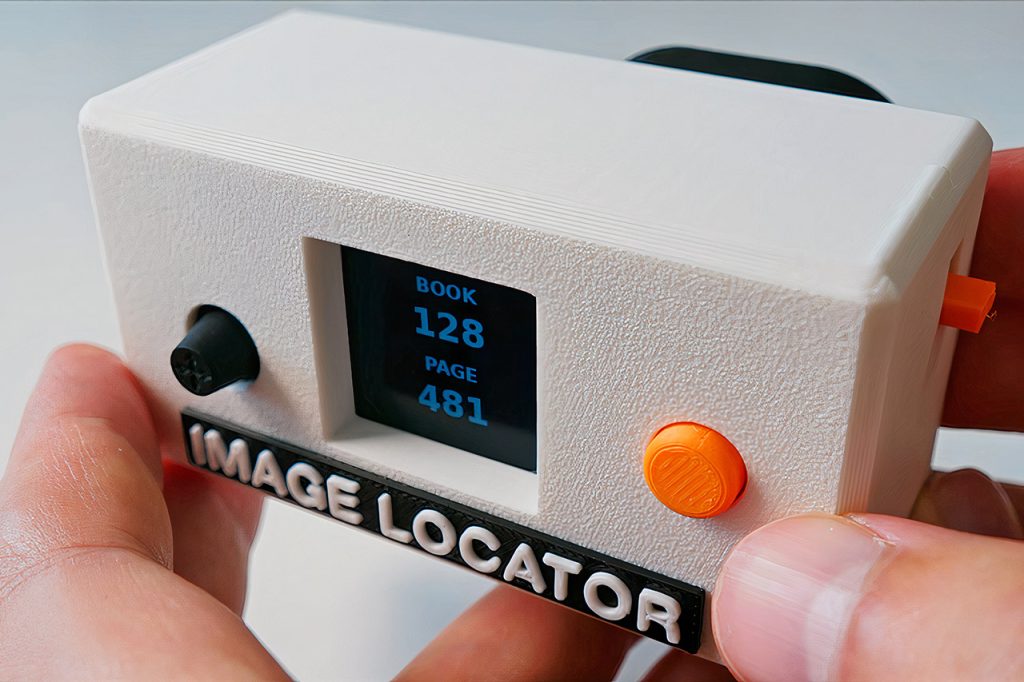
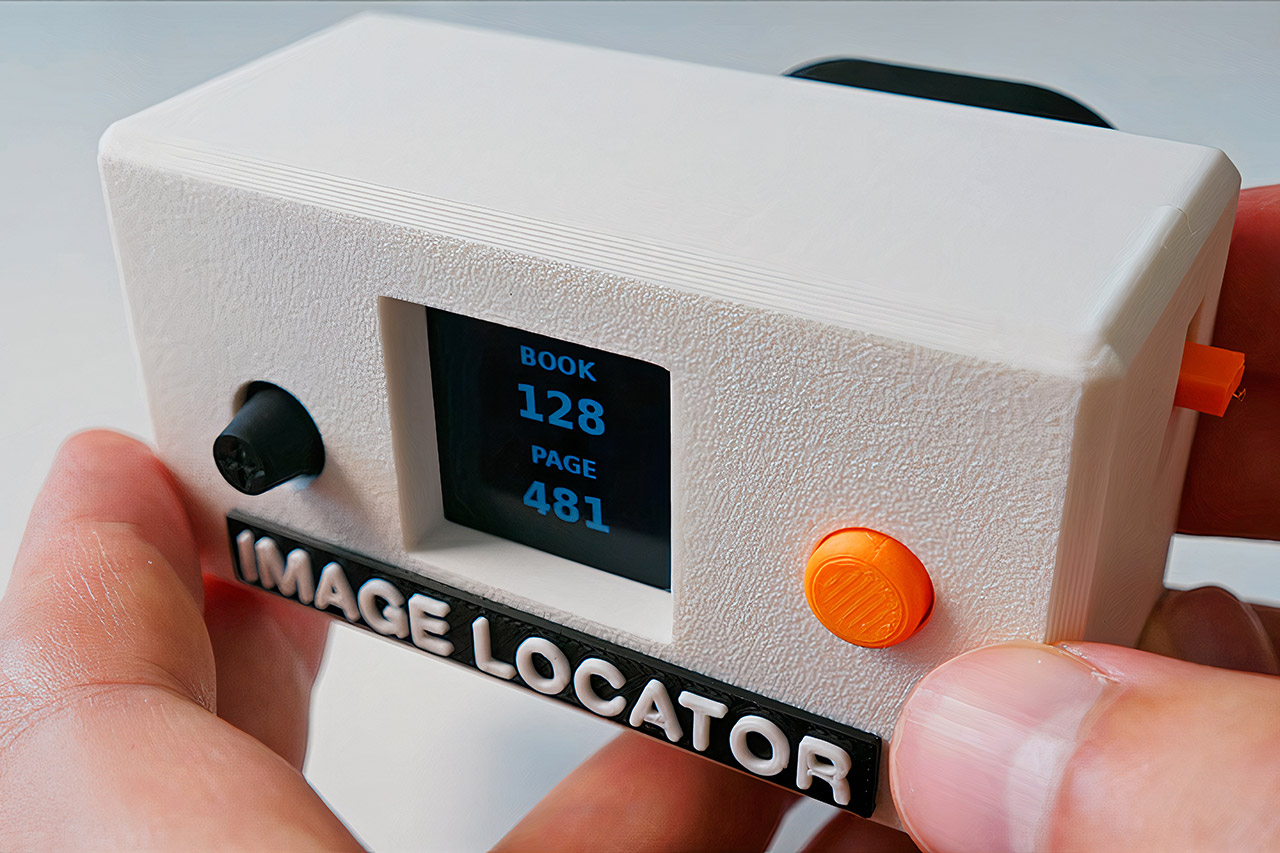
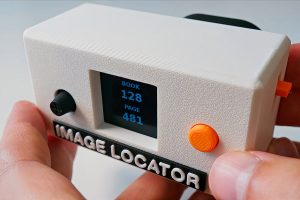
A camera that never stores a single photo sits in the hands of Dutch maker Jens from Strange Inventions. Point it at any scene and the small screen shows a number instead of an image. That number marks one exact page inside a theoretical collection that already contains every photograph that could ever exist.
For the simplest demo, the device reduces what it sees to a grid of nine squares. Every square is either black or white. That offers you exactly 512 different patterns, and Jens went to the bother of printing one on each page so the whole thing fits inside a fairly ordinary book. The camera converts the 9 square grid into a nine-digit binary number, which forms the page number. There is no searching going on anywhere, because the scene in front of the lens is the address.
Sale

FUJIFILM instax mini 13 Instant Film Camera – Clay White
- Rounded, iconic design with a metallic logo. Easily twist the lens to turn on and off
- Built-in selfie mirror for easy selfies. Use Close-up mode with parallax correction
- Prints high-quality 2” x 3” instax mini instant photos in approximately five seconds (Development time thereafter is approximately 90 seconds…
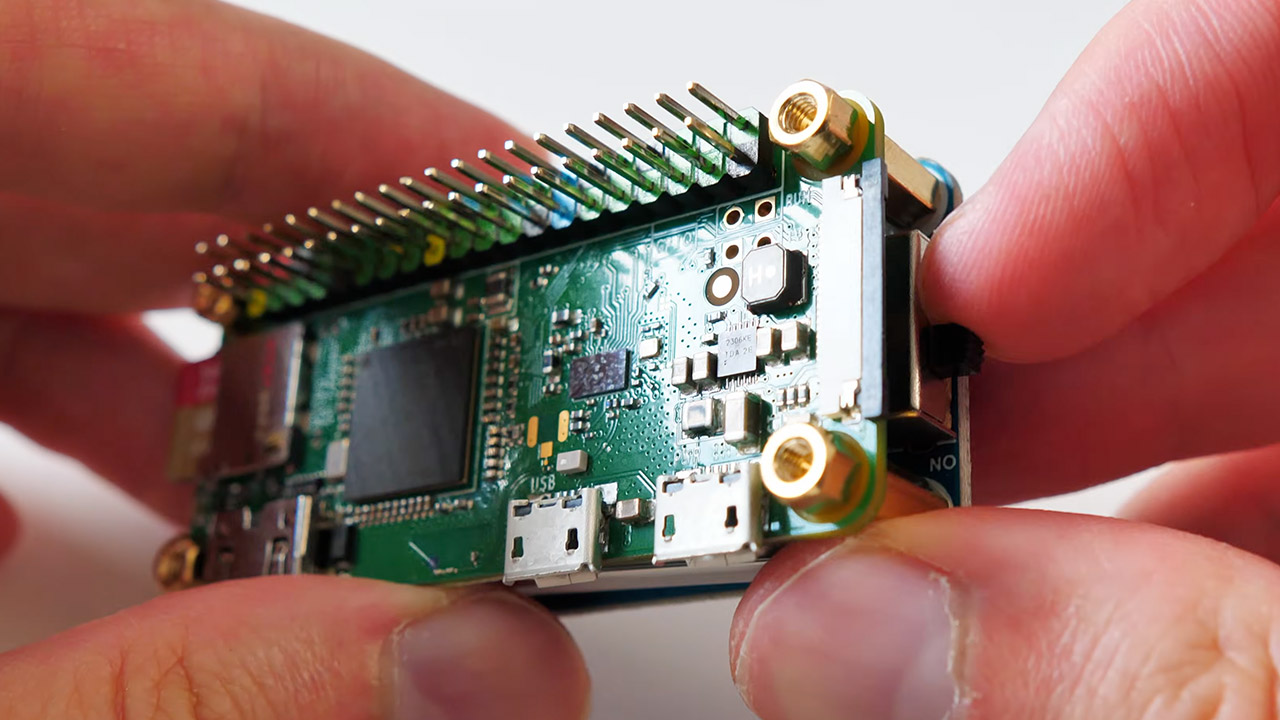
Getting started with this project is straightforward because it starts with a Raspberry Pi Zero W and a compact OV5647 camera module. Add an Adafruit 1.3-inch color screen with a joystick and some buttons, as well as a Waveshare battery hat to keep it portable, and you’ve got a neat little unit that stacks nicely inside a custom 3D printed case that Jens kindly makes available as part of the project files (all for around $80). If you want a professionally produced copy of the 512-page book, it will cost around $70 extra.
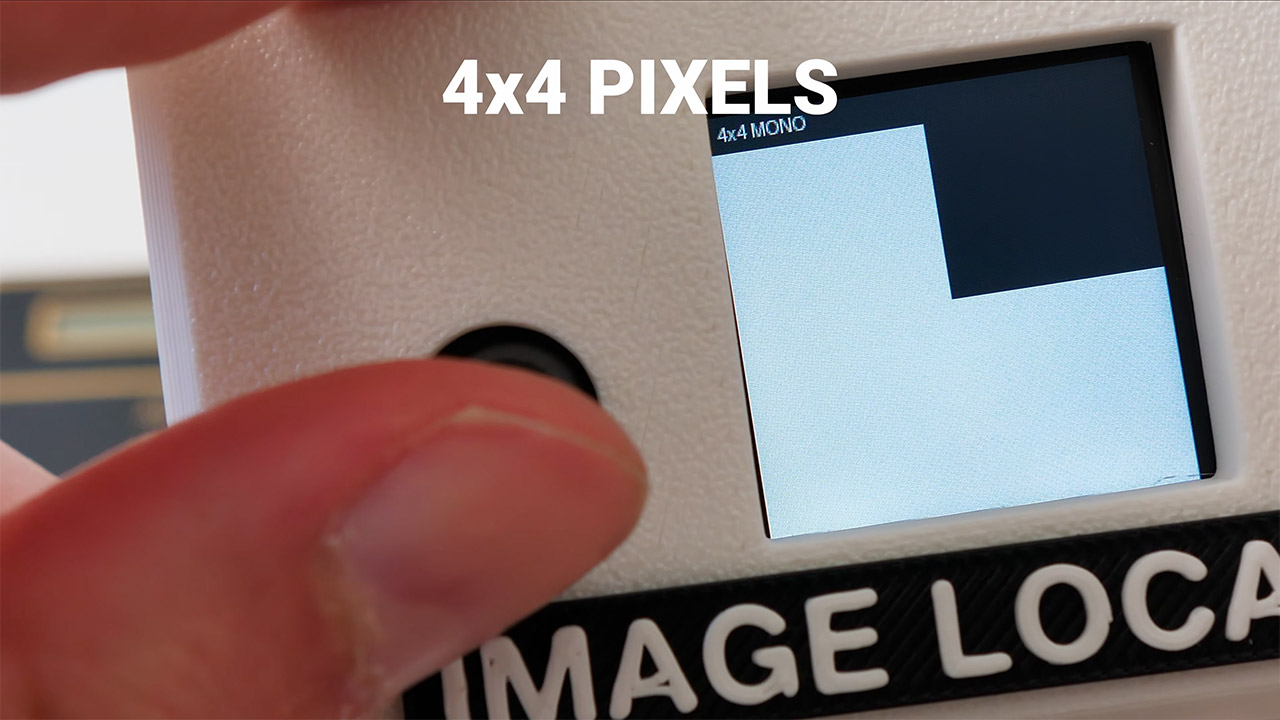
Moving on to higher resolution settings, the math is rather simple, as you simply perform additional calculations on the same device. A 4×4 monochromatic grid increases the options to 65,536. An 8×8 grid propels you past 18 quintillion. Adding color simply doubles the numbers even further. You never need to keep such libraries because the camera will find and display the correct address. The concept was inspired by Jorge Luis Borges and the online Babel Image Archive, where each possible image already has a set location in the grid.
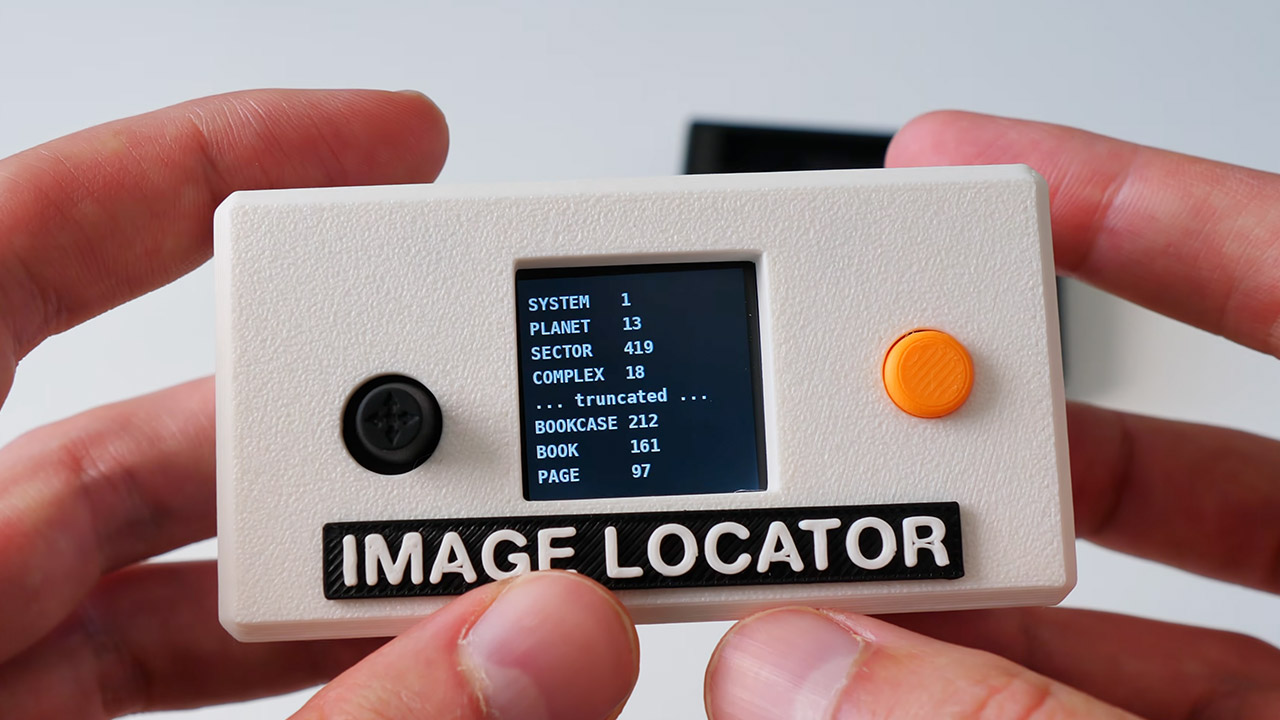
The project files are available for around 19 euros and include the Python code that runs on the Pi, the FreeCAD design, the STL files for the case, a complete hardware list, an image library generator, and a PDF with all 512 monochromatic patterns. If you know how to use a Raspberry Pi, you’re ready to go. Jens shows the finished camera in action on his Strange Inventions channel, with the camera happily sliding real-world items into their assigned spot in the grid.
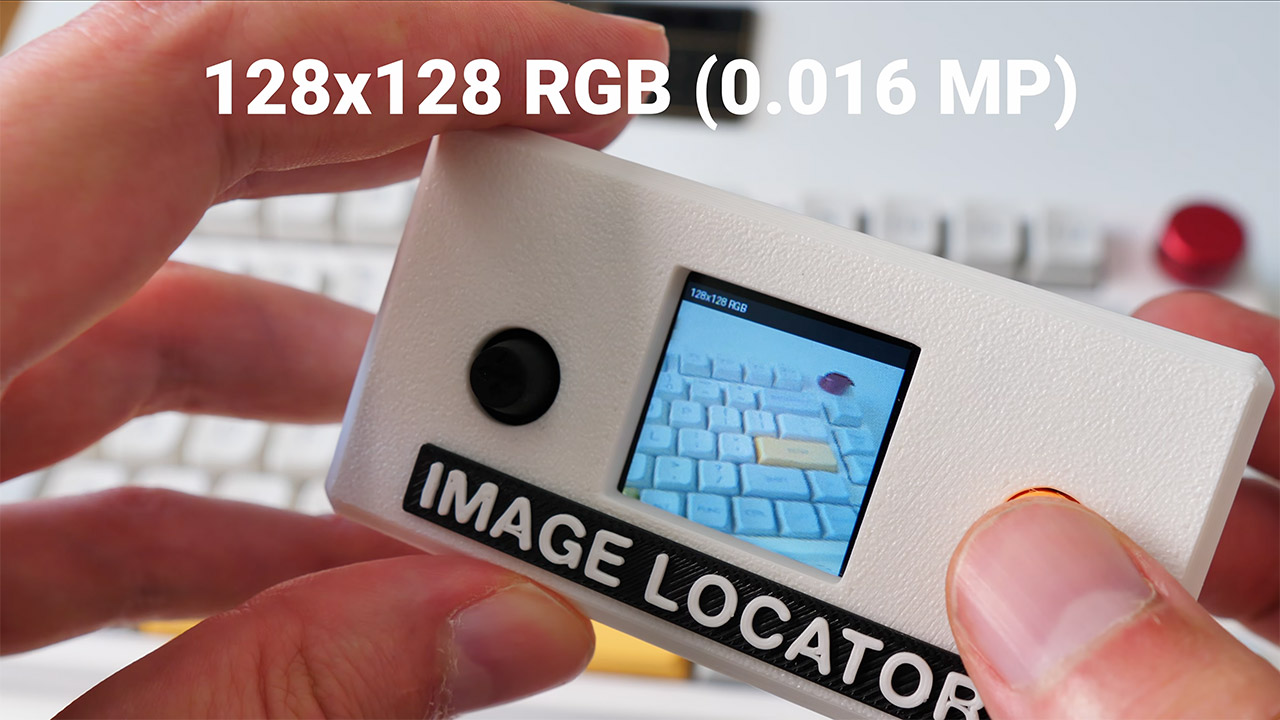
The truth is that every digital image is finite, which means that every potential combination of pixels already exists as a number. All the camera has to do is read that combination in front of the lens and report the number, because each conceivable image already has its own set place. That implies you don’t need to store or search, but instead use simple mathematics to convert light into an address.
[Source]
Strange Inventions Image Locator Camera Locates Every Possible Photograph Inside an Endless Image Archive
#Strange #Inventions #Image #Locator #Camera #Locates #Photograph #Endless #Image #Archive