Hyundai’s Flat Parking Robots Just Moved Into a Real Apartment Garage
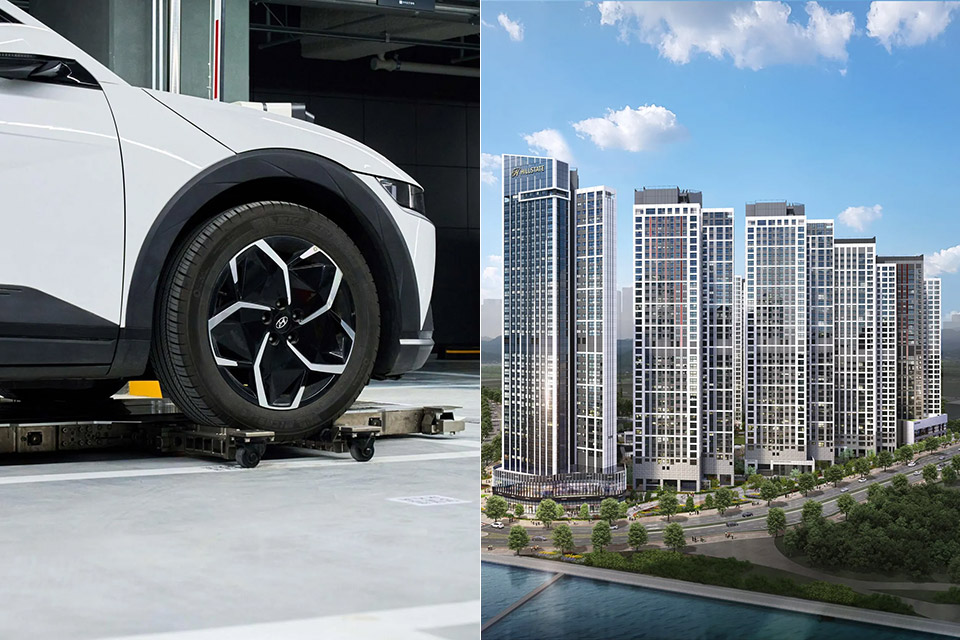
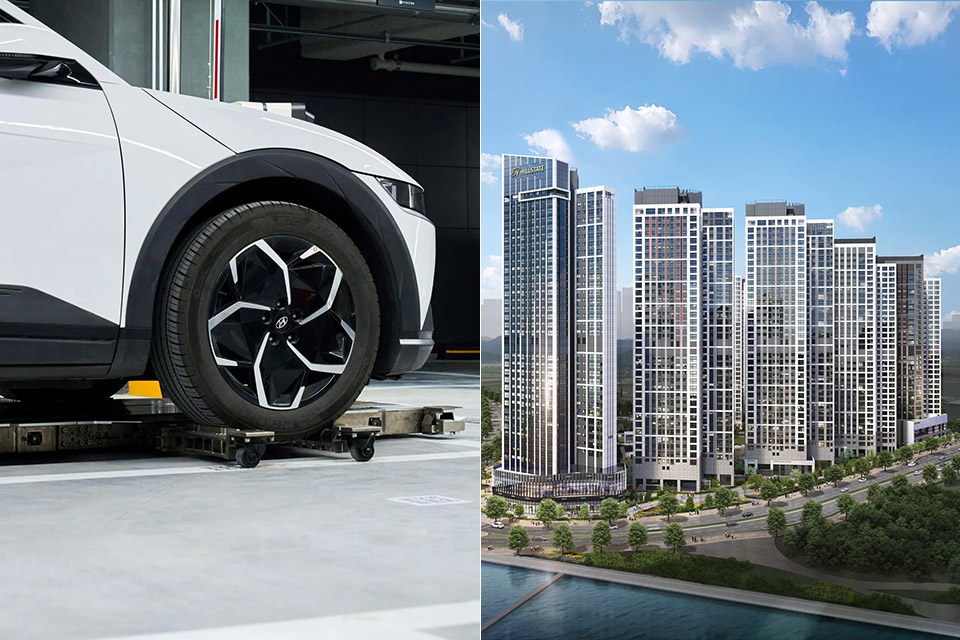
Hyundai Motor Group has begun testing a pair of unusually thin robots that slide under cars, lift them by the wheels, and park them without any human help. The pilot is underway at Hillstate The Wave City, a large apartment complex in Siheung southwest of Seoul. Two sets of the machines will handle 53 parking spaces on the first basement level while the buildings wait for residents to move in next year.
Drivers arrive at a specified drop-off location, step out, and request parking from a kiosk or the wall-mounted control panel in their apartment. Two miniature robots, each 110 millimeters tall, then emerge from beneath the car. For those unfamiliar with the term, LiDAR is a laser-based navigation technology that maps the exact size and position of the tires. Once the robots have a lock on the automobile, the platforms lift the wheels off the ground and transport it to a vacant parking space. When the owner is ready to retrieve their automobile, the system returns it to a predetermined pickup location. Furthermore, the wall panel can coordinate with the lift, ensuring that the automobile is waiting for you when you arrive downstair
Sale

roborock 2026 New Qrevo S Pro Robot Vacuum and Mop, 18,500Pa Suction
- 𝗔𝗹𝗹-𝗶𝗻-𝗢𝗻𝗲 𝗗𝗼𝗰𝗸 𝗳𝗼𝗿 𝗛𝗮𝗻𝗱𝘀-𝗙𝗿𝗲𝗲 𝗖𝗹𝗲𝗮𝗻𝗶𝗻𝗴 – The upgraded…
- 𝟭𝟴,𝟱𝟬𝟬 𝗣𝗮 𝗣𝗼𝘄𝗲𝗿𝗳𝘂𝗹 𝗦𝘂𝗰𝘁𝗶𝗼𝗻 – Engineered for strong everyday cleaning performance…
- 𝗔𝗻𝘁𝗶-𝗧𝗮𝗻𝗴𝗹𝗲 𝗦𝘆𝘀𝘁𝗲𝗺 𝗳𝗼𝗿 𝗣𝗲𝘁 𝗛𝗼𝗺𝗲𝘀 – Built for homes with pets and long…
Each set of robots can travel in any direction and reach a maximum speed of 1.2 meters per second. The design can lift vehicles weighing up to 3.4 tons, which is large enough to accommodate most SUVs. Because a car never requires as much room as a human would for doors to open or a driver to maneuver into a tight area, robots can park automobiles considerably closer together than humans can. Hyundai claims that with this technology in place, you can fit 20 to 50 percent more automobiles onto the same floor space as previously.
Hyundai Motor, Hyundai Wia, and Hyundai Engineering & Construction have all collaborated on the project. It is taking place as part of a government-sponsored smart city pilot initiative that includes the necessary approval and funding. During the study, they will keep track of waiting times, how many cars can be moved in a given time frame, and whether or not parking spaces are filled efficiently. The information they gather will assist them in determining how many robots and parking spaces will be needed for future towers.
Hyundai Wia has been using the same robots in its manufacturing for a while, and they even demonstrated them at CES earlier this year. They also developed a control system capable of managing hundreds of robots at once and determining the most efficient route thru a garage. In the apartment environment, the robots will operate from a sealed off sector of the underground parking lot, gathering real-world data on reliability and user convenience before being deployed farther.
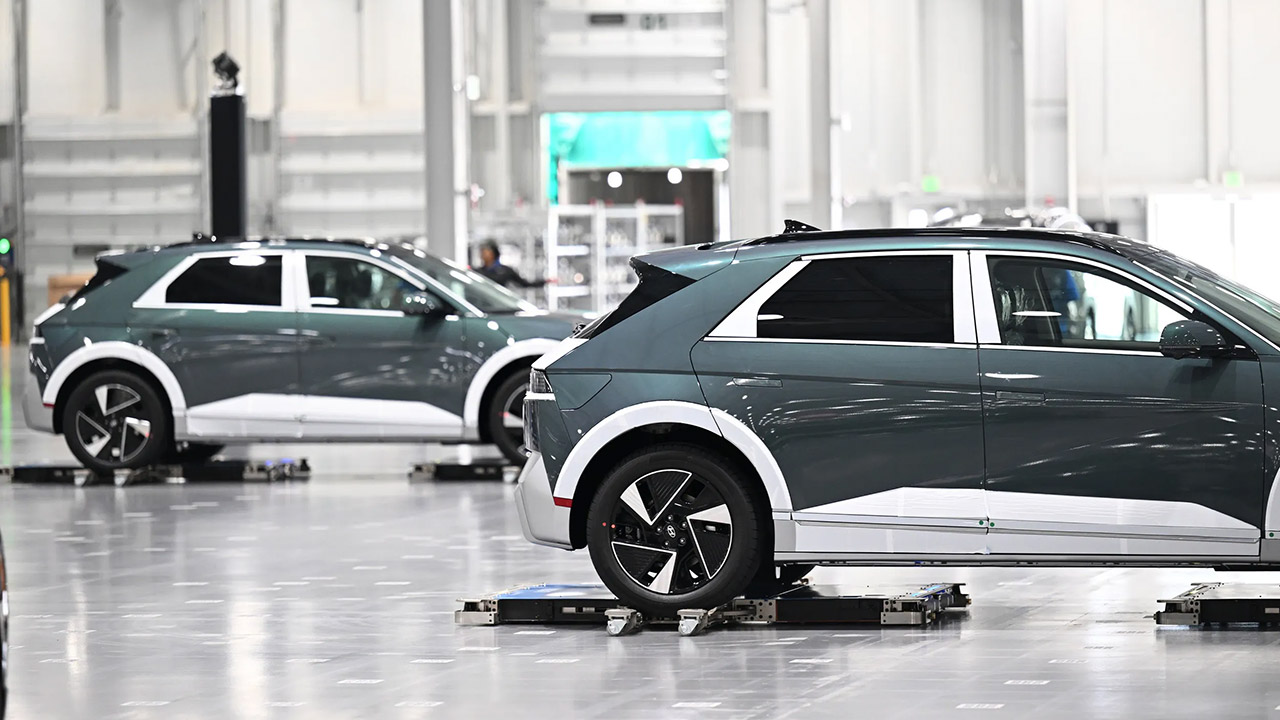
Their main function is simple: many Korean apartment complexes have too many automobiles and not enough room. Robots save space by eliminating the requirement for drivers to look for an empty spot or leave clearance around each car. They also keep people out of active parking lanes, reducing low-speed bumps and pedestrian collisions. Hyundai intends to use the trial data to create a standard model that other residential projects, including Seoul’s redevelopment zones, can adopt as a template. For the time being, the robots remain in their assigned pilot area, silently rearranging automobiles while the remainder of the garage awaits the arrival of the first tenants.
[Source]
Hyundai’s Flat Parking Robots Just Moved Into a Real Apartment Garage
#Hyundais #Flat #Parking #Robots #Moved #Real #Apartment #Garage