Thirteen Years of Night Sky Photos Became a 5.6-Trillion-Pixel Atlas of Nearly Four Billion Cosmic Objects
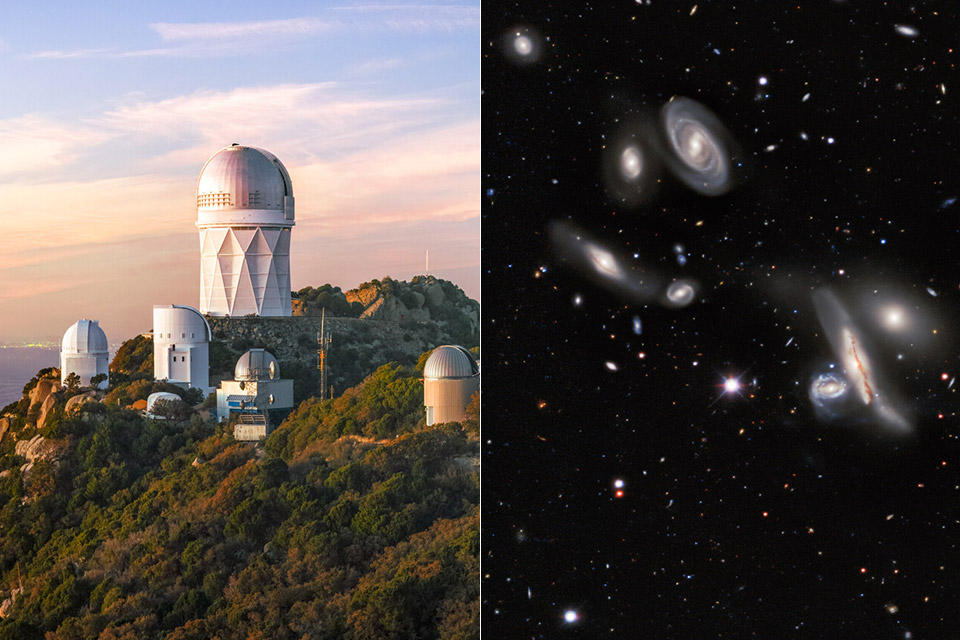
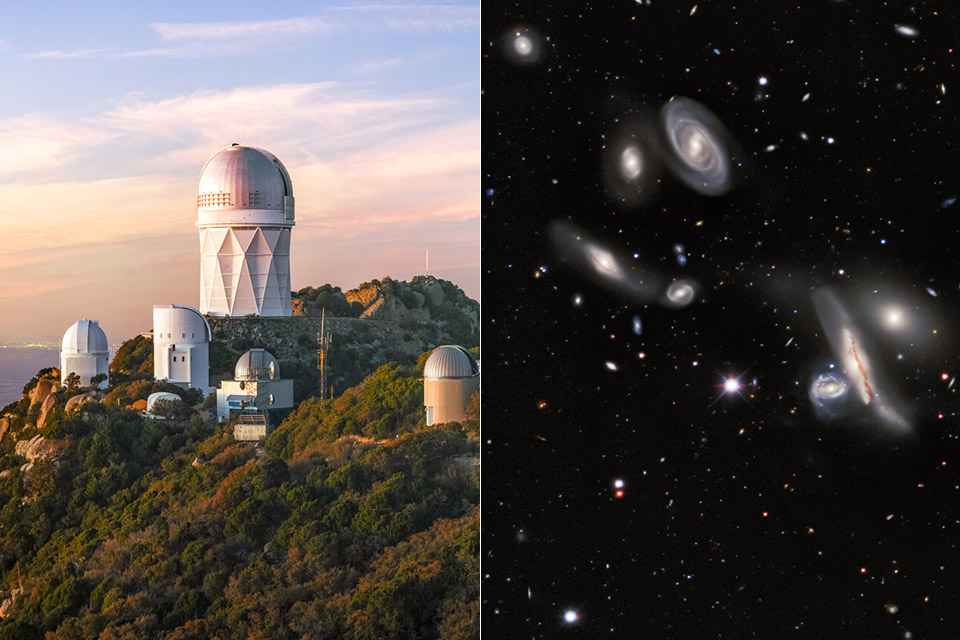
Astronomers released the largest two-dimensional map of the universe ever assembled this week. The DESI Legacy Imaging Surveys catalog spans roughly three-quarters of the sky and holds nearly four billion stars, galaxies, black holes, asteroids and other objects captured across visible and near-infrared light. Its total resolution reaches 5.6 trillion pixels.
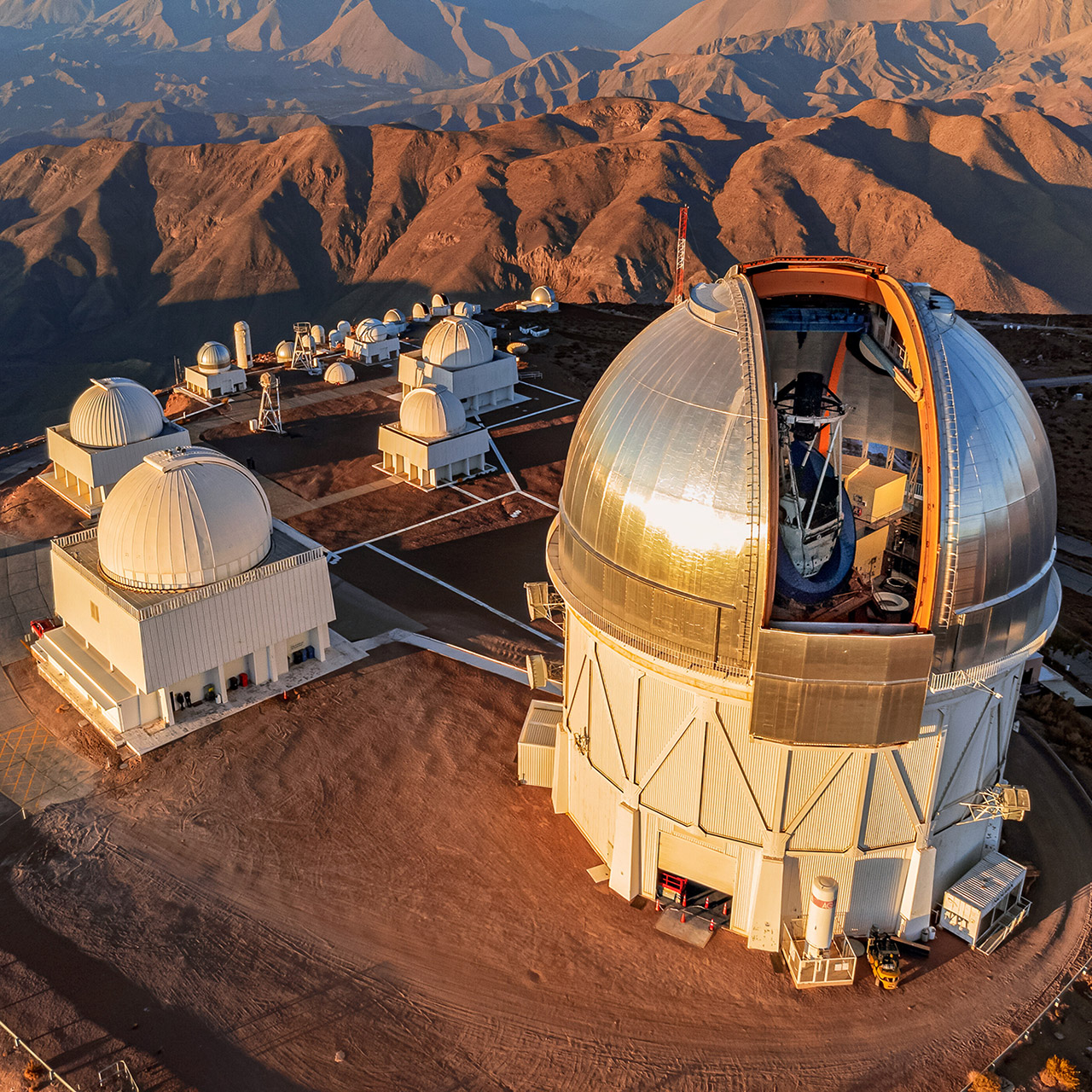
Teams spent 13 years accumulating the raw material on hand. They combined 263,407 individual telescope images from 2,285 different nights. The majority of the images came from three ground-based surveys: the Dark Energy Camera Legacy Survey at the NSF Blanco 4-meter telescope in Chile, the Mayall z-band Legacy Survey at the NSF Mayall 4-meter telescope in Arizona, and the Beijing-Arizona Sky Survey using the University of Arizona’s Bok 2.3-meter telescope in Arizona. Data from NASA’s Wide-field Infrared Survey Explorer satellite filled in some gaps. More than 160 scientists contributed to some of the observations. A smaller group of roughly 20 researchers then worked for a year to design the software required to integrate all of the snaps, followed by about eight weeks of final processing on the Perlmutter supercomputer at Lawrence Berkeley National Laboratory.

LEGO Icons Hubble Space Telescope 11382
- EXPLORE THE HUBBLE SPACE TELESCOPE – Celebrate one of humanity’s greatest scientific feats while enjoying a relaxing building experience with the…
- REPLICA SPACE MODEL – Recreate the legendary space-based telescope with posable solar arrays and antennas, an opening aperture door and a detailed…
- AUTHENTIC DETAILS – Remove the exterior panels to reveal a detailed instrument bay, which features gyroscopes alongside primary and secondary…
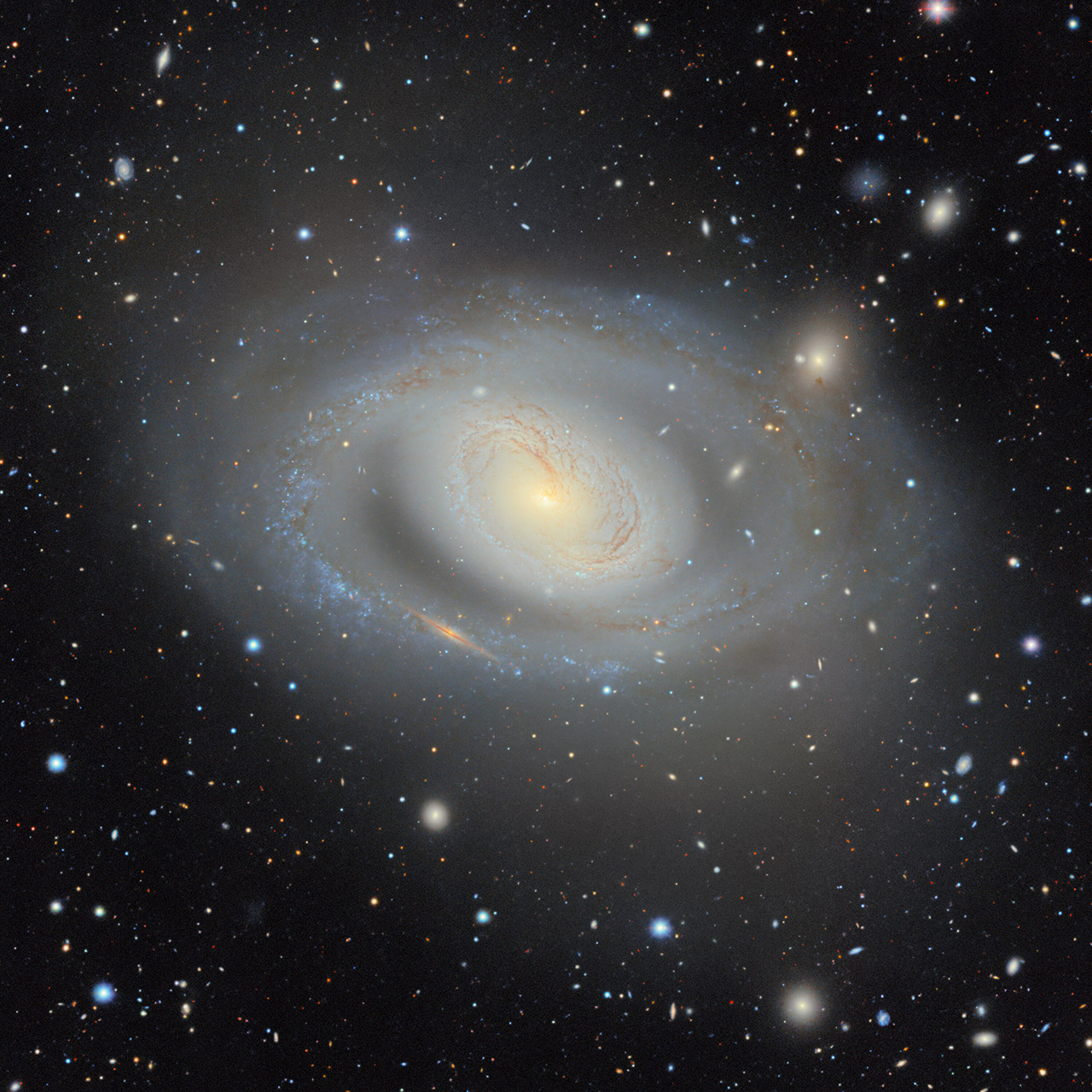
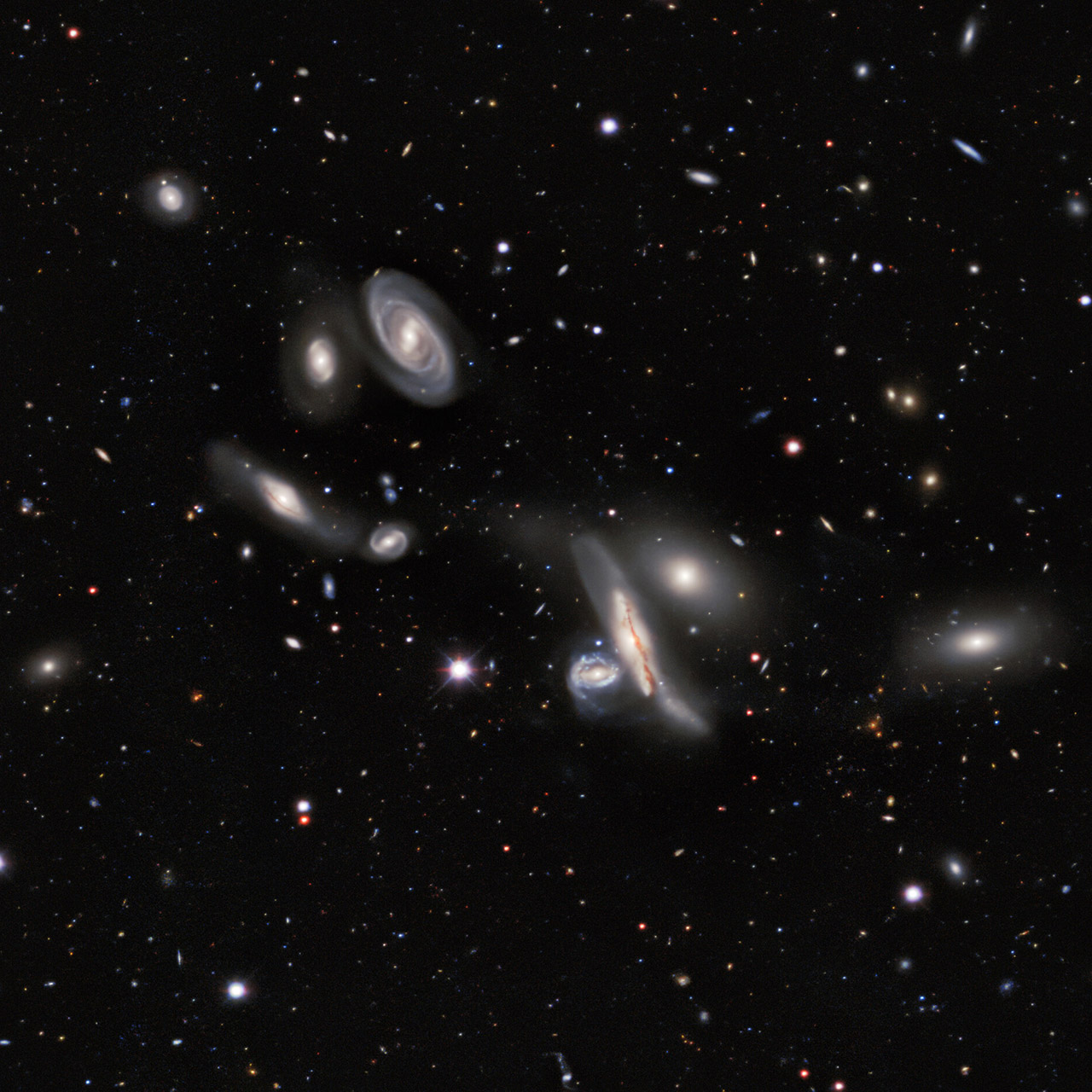
The finished product contains exact information on the positions and brightness of objects in the sky that is not obscured by the Milky Way’s dust and stars. Using near-infrared light allows us to see thru interstellar clouds that would otherwise obscure distant galaxies. A quick glance in the corner of the atlas reveals the Copeland Septet, a small cluster of galaxies in the constellation Leo. Take a closer look at Messier 96, a spiral galaxy located about 35 million light years away that looks as a crisp, detailed island among billions of other points of light.
This 2D atlas is not intended to be a standalone product. It’s more of a shopping list for the Dark Energy Spectroscopic Instrument, which has already estimated the distance to over 47 million galaxies and quasars and is constructing the greatest 3D image of the universe to date. Researchers use the patterns of how galaxies cluster at different distances to determine how the universe’s expansion has changed over time and to study the effects of dark energy and dark matter. The same catalog can also help locate rare phenomena such as gravitational lenses and supernovae.
The Legacy Survey data has already been used in over 1800 research publications. In addition to making the data available to the public, the most recent release continues this trend. With the Legacy Survey Sky Viewer, anyone with a browser may zoom in and out of the entire map. Individual objects connect to full information sheets outlining their features. Experienced astronomers can download the entire dataset and conduct their own study. Future surveys, such as those conducted by the Vera C. Rubin Observatory and the Nancy Grace Roman Space Telescope, will use the map as a reference point for calibration and comparison.
David Schlegel, one of the co-leads of the Legacy Surveys at Berkeley Lab, notes that the data has become a standard toolkit for researchers. When people need to identify something or compare the surrounding region, they frequently begin with the viewer. Co-lead Arjun Dey, an astronomer at NSF NOIRLab, says they’re continuing a long legacy of capturing the nite sky while making it accessible to everyone, including scientists and the general public. The night sky belongs to everyone, he claims.
[Source]
Thirteen Years of Night Sky Photos Became a 5.6-Trillion-Pixel Atlas of Nearly Four Billion Cosmic Objects
#Thirteen #Years #Night #Sky #Photos #5.6TrillionPixel #Atlas #Billion #Cosmic #Objects