NileRed Turns Air to Alcohol After Two Long Years
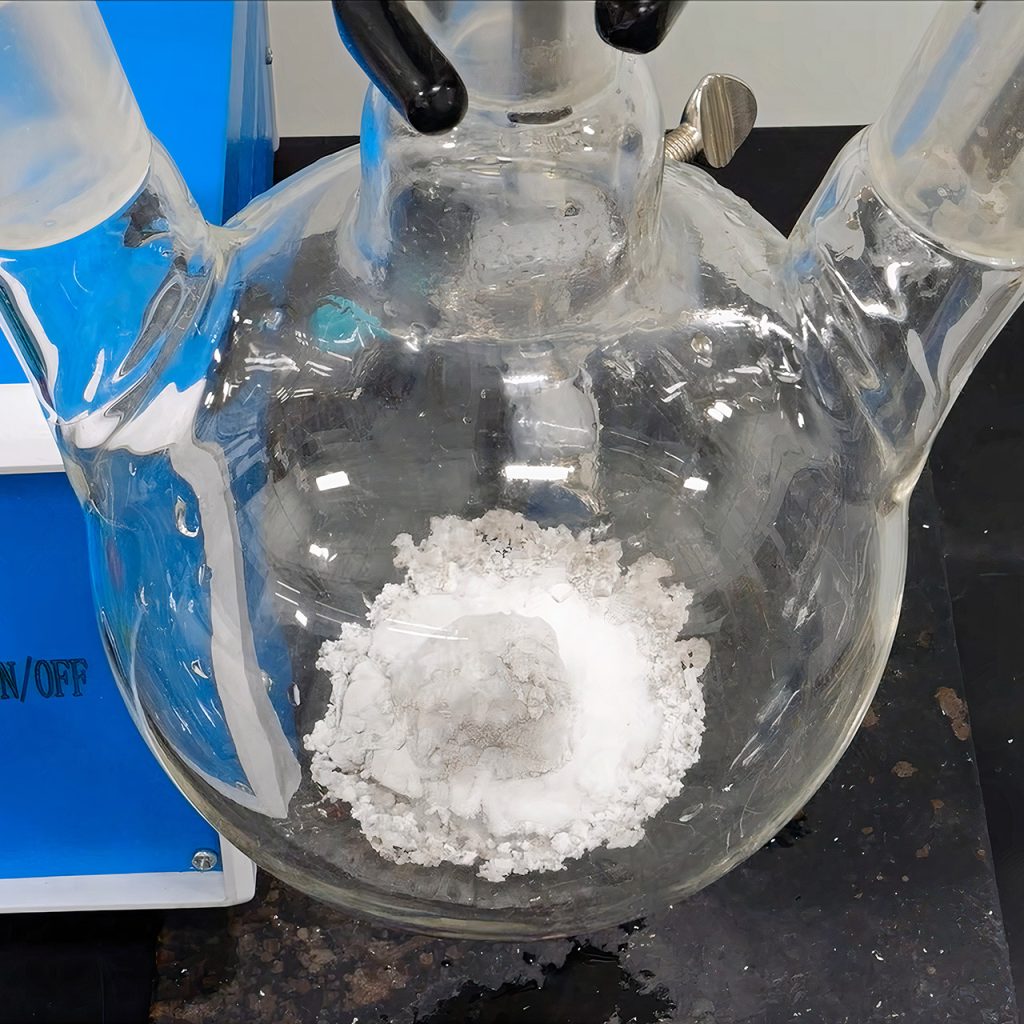
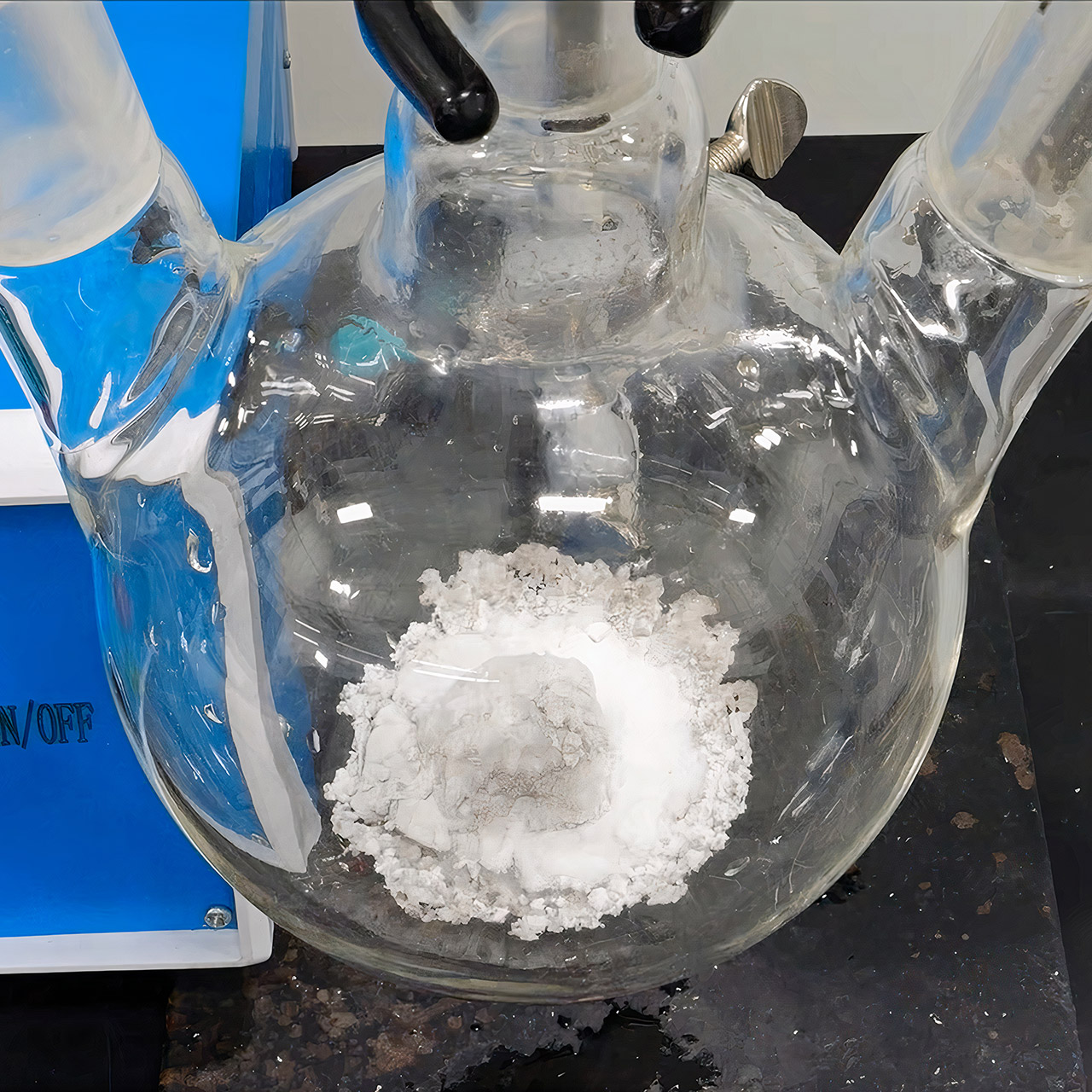
Nigel Braun, better known as NileRed, first got the idea back in 2019. Air holds water vapor and carbon dioxide. Those two compounds already contain the hydrogen, carbon, and oxygen atoms that make up ethanol. No sugar or yeast, just the stuff floating around us every day. He set out to pull those pieces apart and put them back together as drinkable alcohol.
On paper, the plan appeared to be fairly simple: capture moisture and carbon dioxide from the air, split the water to free up hydrogen, and then feed the hydrogen and carbon dioxide together over a special catalyst in a high pressure and heat reactor that produced some kind of liquid, which he was to collect. In reality, however, the story was very different. Capturing the water proved tough because he had to run a dehumidifier for weeks in the middle of winter. I mean, he was trying to keep the lab damp, but humidity in winter is already low, and the machine ended up running for a long time before filling a few bottles. The laboratory got so dry that you could practically taste it, and the air felt strange. To fix it, he had to distilll the collected water to make it safe to use later.

Kids Digital Microscope STEM Toy: Complete Science Gift Kit for Ages 4-12
- 1000X Magnification: BEBANG microscope has 200x-1000x 5-level zoom range, allowing you to explore a wide range of specimens, from small insects and…
- Portable Pocket Microscope: This kids microscope weighs only 0.34lbs and 4*3*1.8 inch in size. it is small enough for your kids pocket or bags sacks…
- Rechargeable: our digital microscope built-in with large capacity rechargeable battery. can be used continuously for 2.5 hours after fully charged…
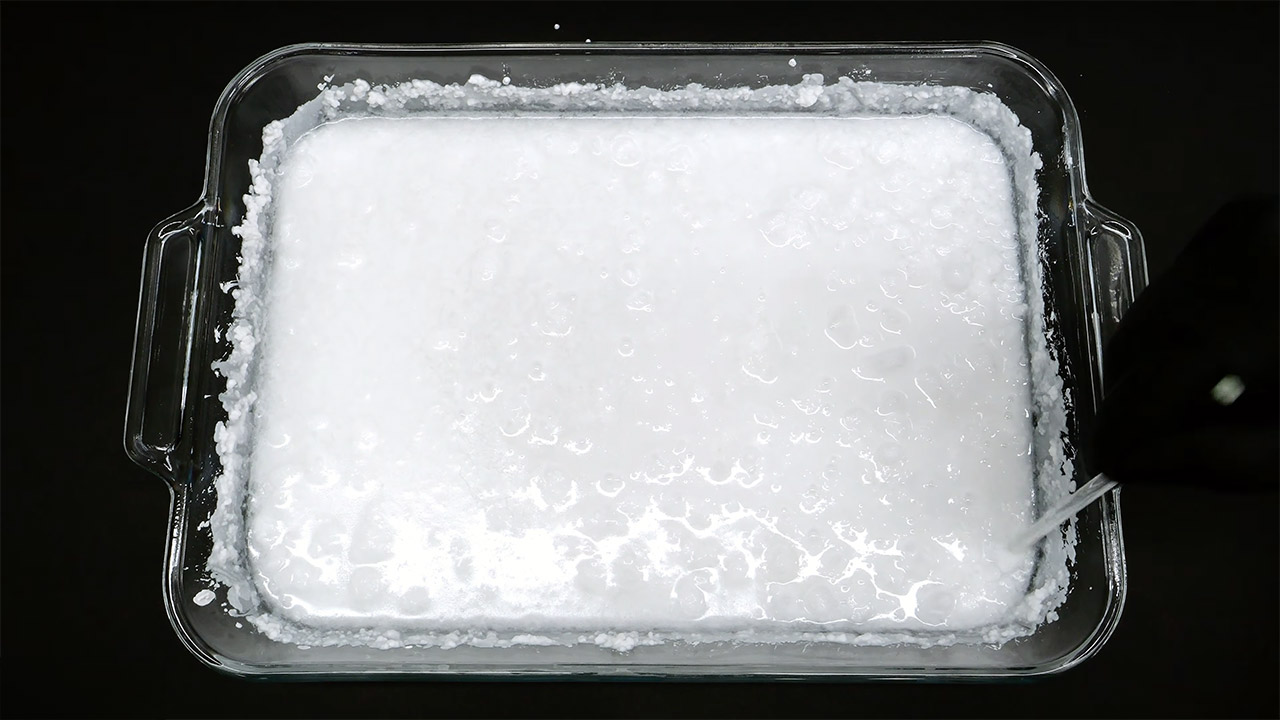
Capturing carbon dioxide was far more challenging, as he simply spread sodium hydroxide across some trays and let them to absorb everything they could from the air. The powder took weeks to absorb carbon dioxide and convert to sodium carbonate, but he had a large supply of the chemical. He ended up with more than two kilograms of the substance, which corresponded to approximately 850 grams of genuine trapped carbon dioxide. The process was long and unpleasant, but it worked.
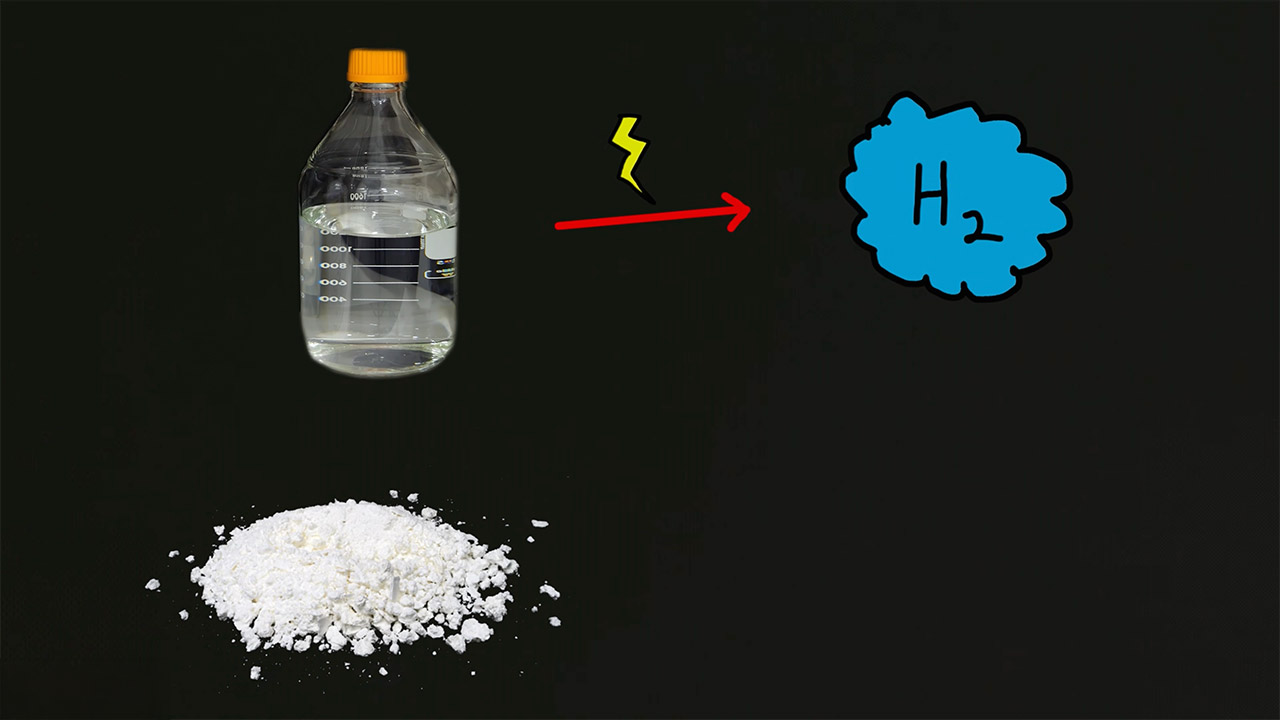
Hydrogen was generated by electrolyzing the air-captured water, but his ordinary generators were struggling to keep up, so he had to upgrade to something with a bit more power. The gas itself presented another challenge because hydrogen corrodes metal, making it delicate, so he had to be creative with the components he used. He developed a one-of-a-kind high-pressure system using brass and 316 stainless steel. He installed a gas booster, some regulators, a heating jacket capable of reaching 600 degrees Celsius, and took extra precautions with the plumbing to keep everything well sealed. The final reactor simply hung on the wall, looking clean and deliberate, as he was immensely proud of it and later characterized it as one of the coolest and most astonishing things he’d ever built.
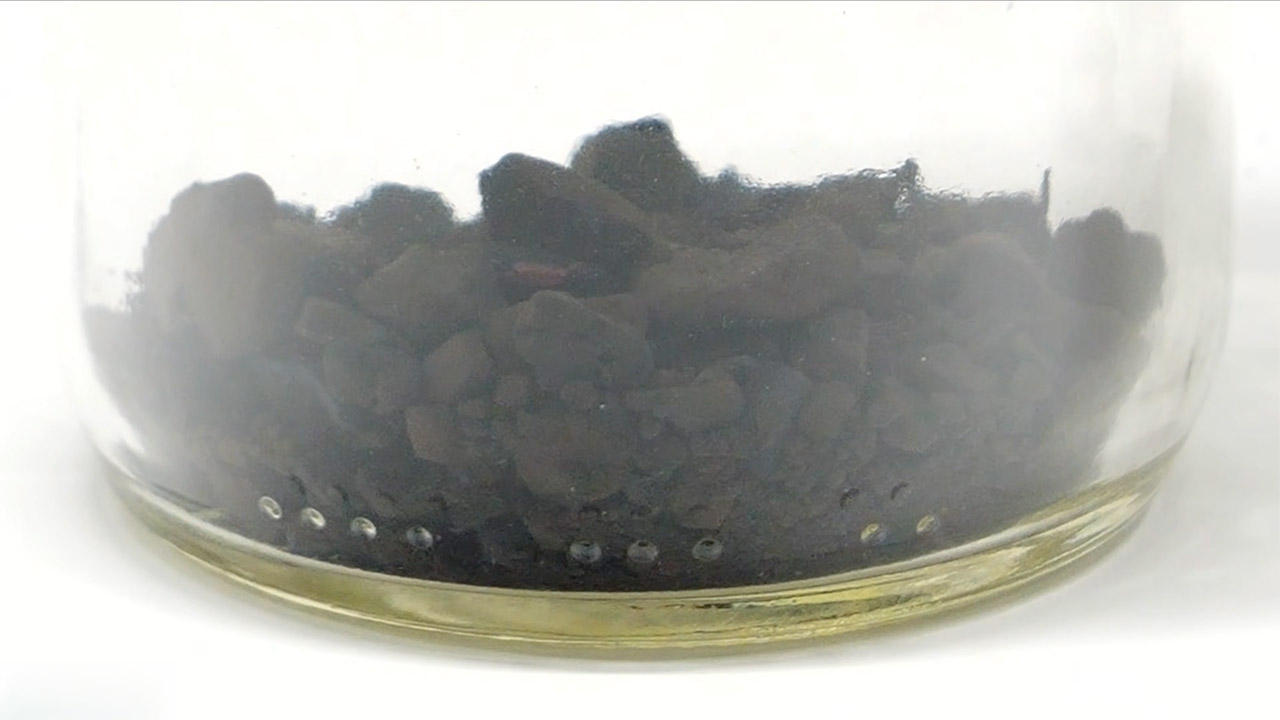
To be honest, the catalyst essentially finished the entire project. Most options were inefficient, costly, or both. So he selected a two-part iron-based system from a research study. The first phase required him to construct an iron metal-organic framework, purify it, and then heat it under nitrogen until it changed into iron on carbon, which took several weeks. What did he get for his troubles? A miniscule 1.8 grams, rather than the 25 grams he truly required. He was able to scale up the reaction several times, but he still needed to run it repeatedly. It took months of tiresome tweaking, but I eventually had enough. The second step, a copper-zinc-aluminum catalyst with a small amount of potassium, was slightly faster but still required careful timing and temperature control.
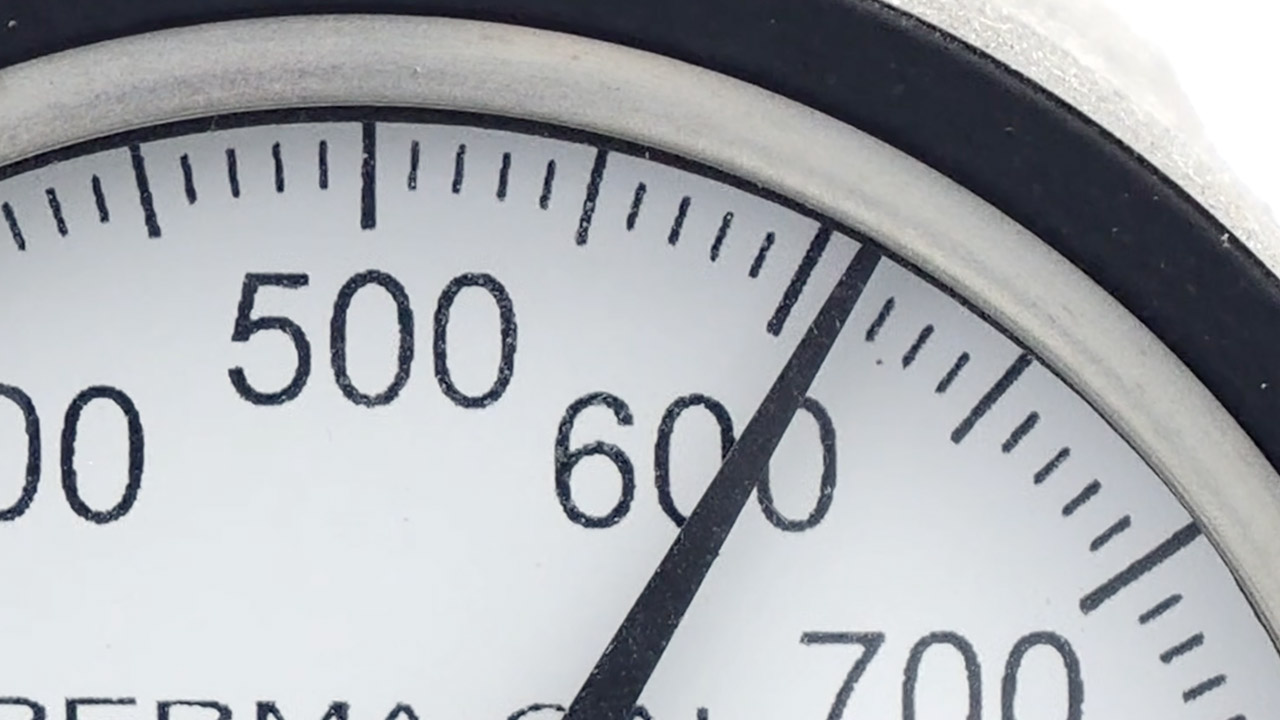
Once both catalysts were ready, he crushed them up, mixed them with quartz sand, and shoved them into the reactor. Then the actual testing began. The early trials at 600 PSI and 320 degrees Celsius were largely unsuccessful, producing nearly nothing. Nuclear magnetic resonance revealed only a slight scent of ethanol floating in a largely aqueous sea. The problem was that flow rates were far too low, and the catalyst was not adequately activated. To top it all off, a valve failed on him. So he upgraded the hydrogen generator, repaired the plumbing, and gave the catalyst another shot at activating under hydrogen. Eventually, the latter runs at higher pressure and a bit more respectable flow began to produce something you could quantify. The most of it smelled like… well, air (a slight banana-like fragrance from some oily byproducts).
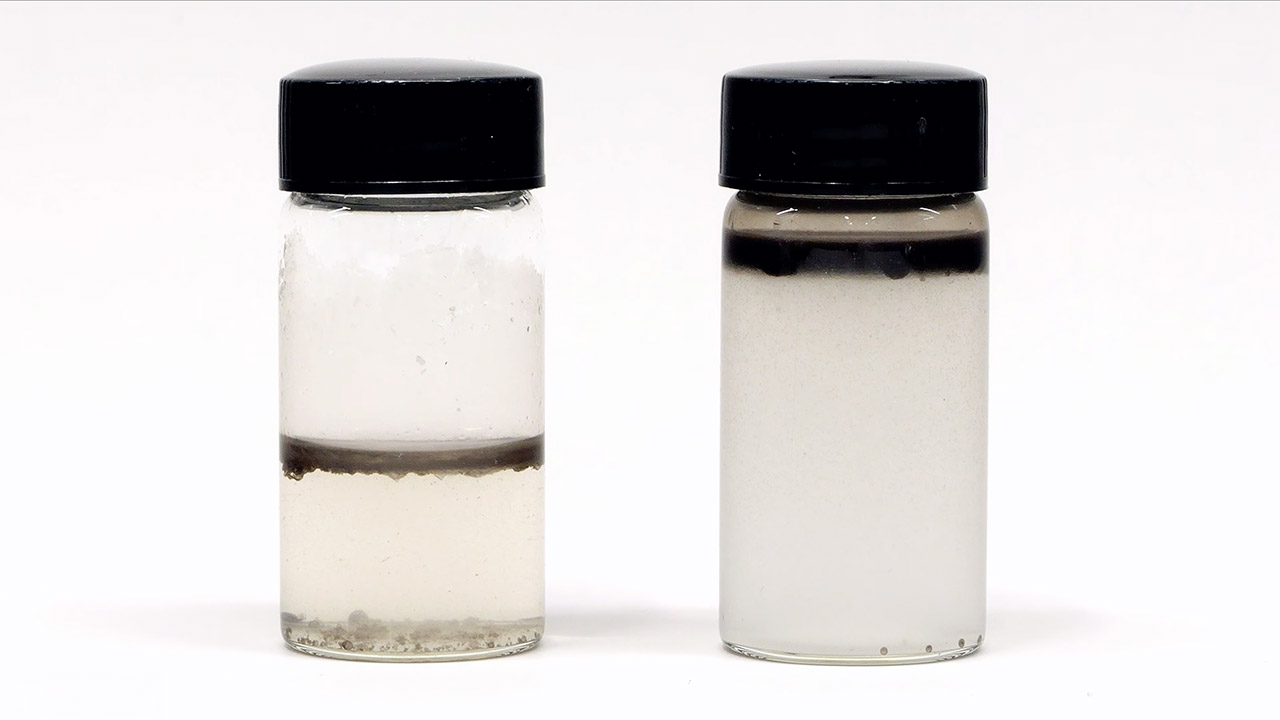
Getting it pure was a whole new ballgame, as an oily layer of unwanted hydrocarbons just kind of separated out on its own, and distillation got rid of most of the remaining garbage (including a little of unwanted methanol that was slipping into the mix along the way). Activated charcoal removed any remaining color. Finally, there was a little volume of clear liquid left behind, which was roughly 7 to 8 percent ethanol by refractometer but still contained some residual methanol. Not pure, not even close, yet significantly stronger than a regular beer.
[Source]
NileRed Turns Air to Alcohol After Two Long Years
#NileRed #Turns #Air #Alcohol #Long #Years