A Maker Builds Space Cadet Pinball for Real Hands, Goes from Screen to Steel
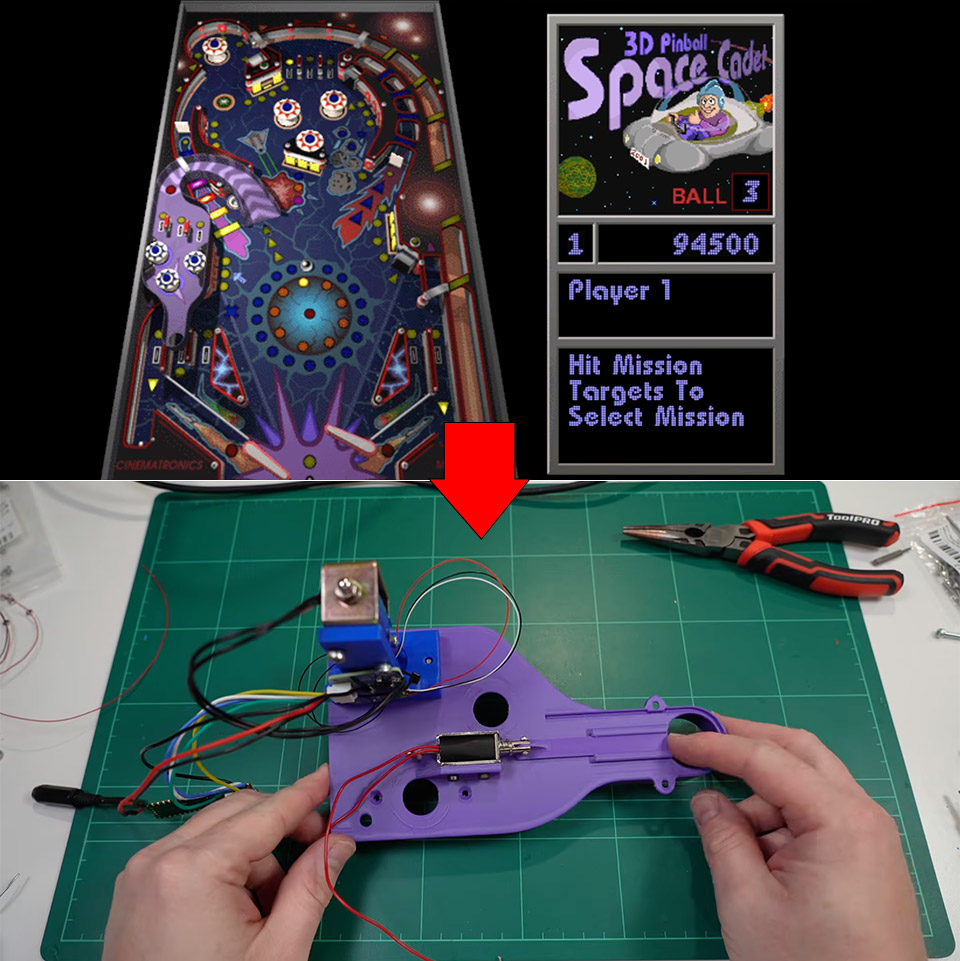
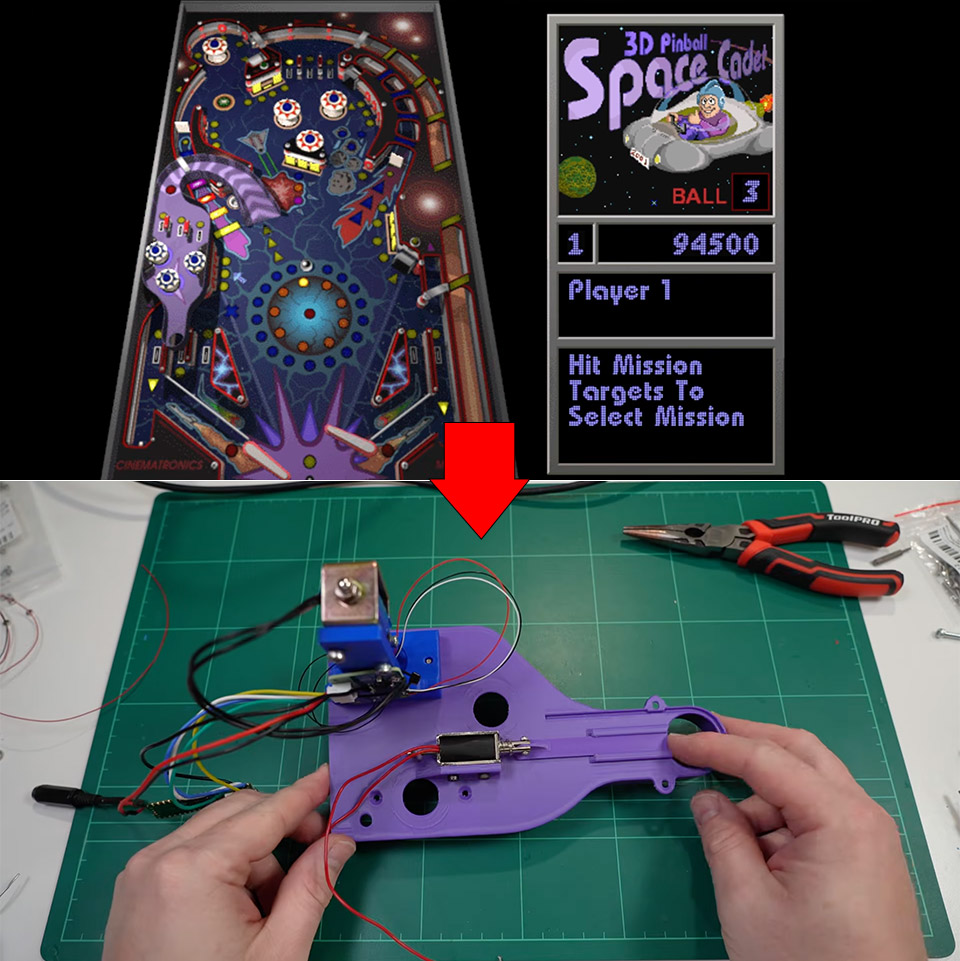
Childhood afternoons often included loading up Space Cadet Pinball on a family computer running early versions of Windows. That simple game with its space theme, ringing sounds, and satisfying flipper action left a mark on a generation. Years later, one determined builder decided the experience deserved a physical form. CNCDan took on the challenge of turning the digital table into a working mechanical pinball machine. He measured every element from the original game and scaled it precisely. Commercial pinball parts would not match those proportions, so nearly everything began as a 3D printed design.
The finished machine measures one meter in length and 560 millimeters in width, making it a full-sized pinball machine in a compact box. Each component is given special attention before being assembled into the table. We began working on the pop bumpers first, because those circular activators needed to be precisely measured if we were to get them right. The initial attempt was to utilize basic switches, but they were extremely unreliable, so he abandoned them in favor of Hall effect sensors combined with magnets on the moving skirts. That’s when the solenoids kicked in, producing that strong kick that propelled the ball upwards, while bright LEDs beaming through frosted acrylic diffusers provided the iconic glow.
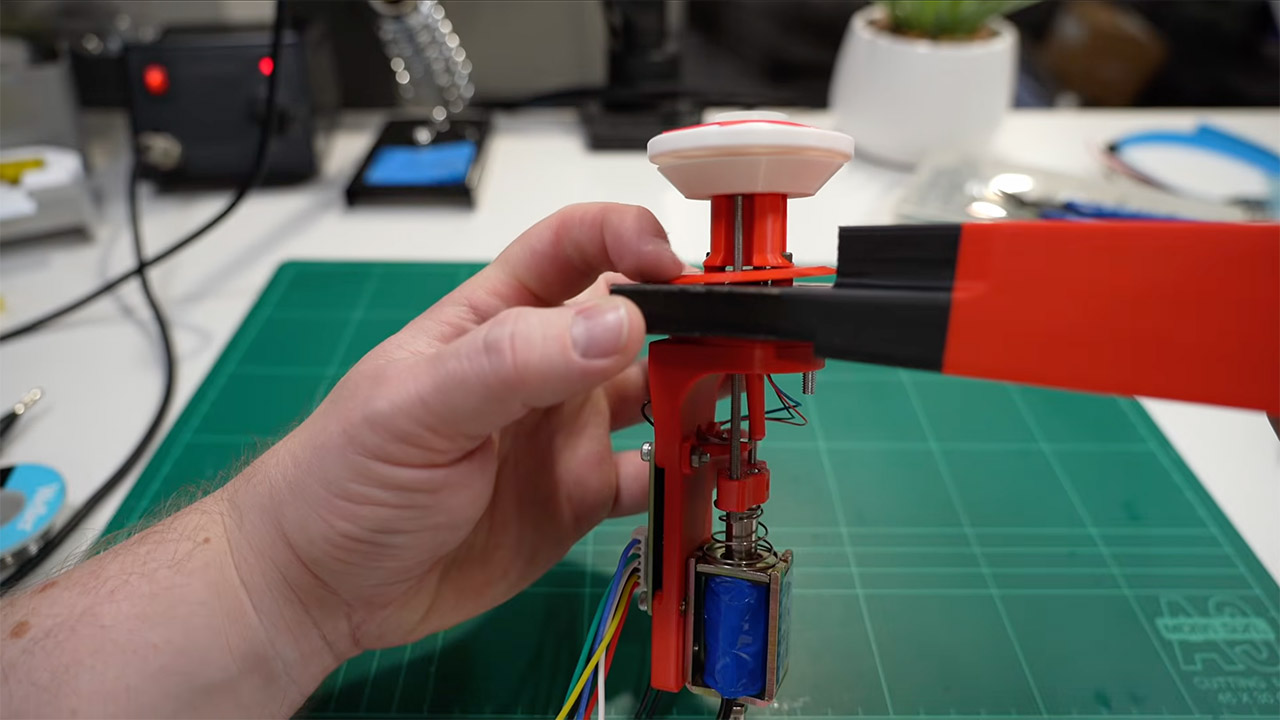
Next up were the drop targets, which were difficult to get to record every hit, but he eventually got them to function by employing printed bodies with springs and microswitches buried within. The simple hobby servos called in to reset the targets were a lifesaver because he didn’t want any of that heavy-duty hardware cluttering up the room. The testing rigs informed us that they fell and reset at a consistent rate. Slingshots were the next piece of equipment added to the table, and they had some serious grunt! A lever arm, microswitch, and stretched resistance bands complete the task, all working together to deflect the ball back into play. He adjusted the switch position to get the sensitivity exactly perfect, so even a glancing shot produces a significant response.
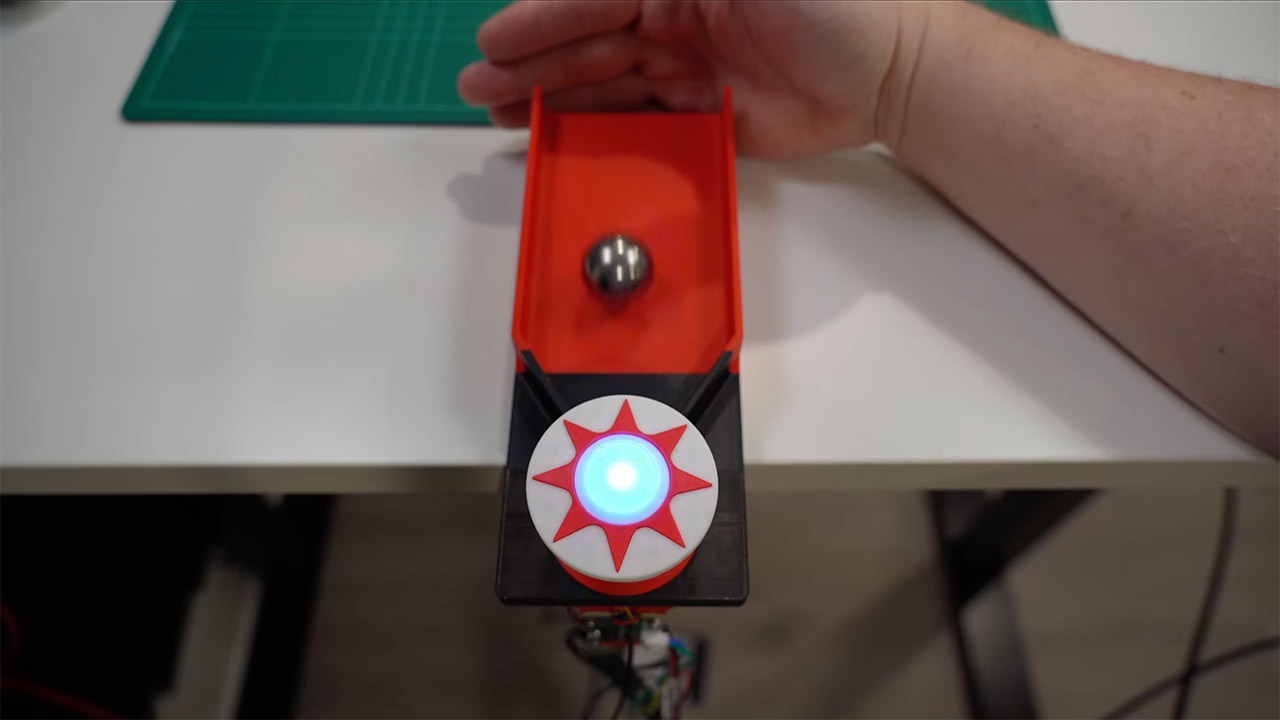
The smaller bumpers on the elevated areas required a bit more care, as threading rods into a single pull mechanism allowed the ball to slide through without jamming. He replaced the magnets with pogo pins and used clear resin diffusers to provide a wonderful even illumination. Then there’s the drop hole, which is a touch of wizardry that causes the game to pause for a little moment before releasing the ball. It all comes down to a solenoid pushing a printed slide after a two-second delay via a microswitch.
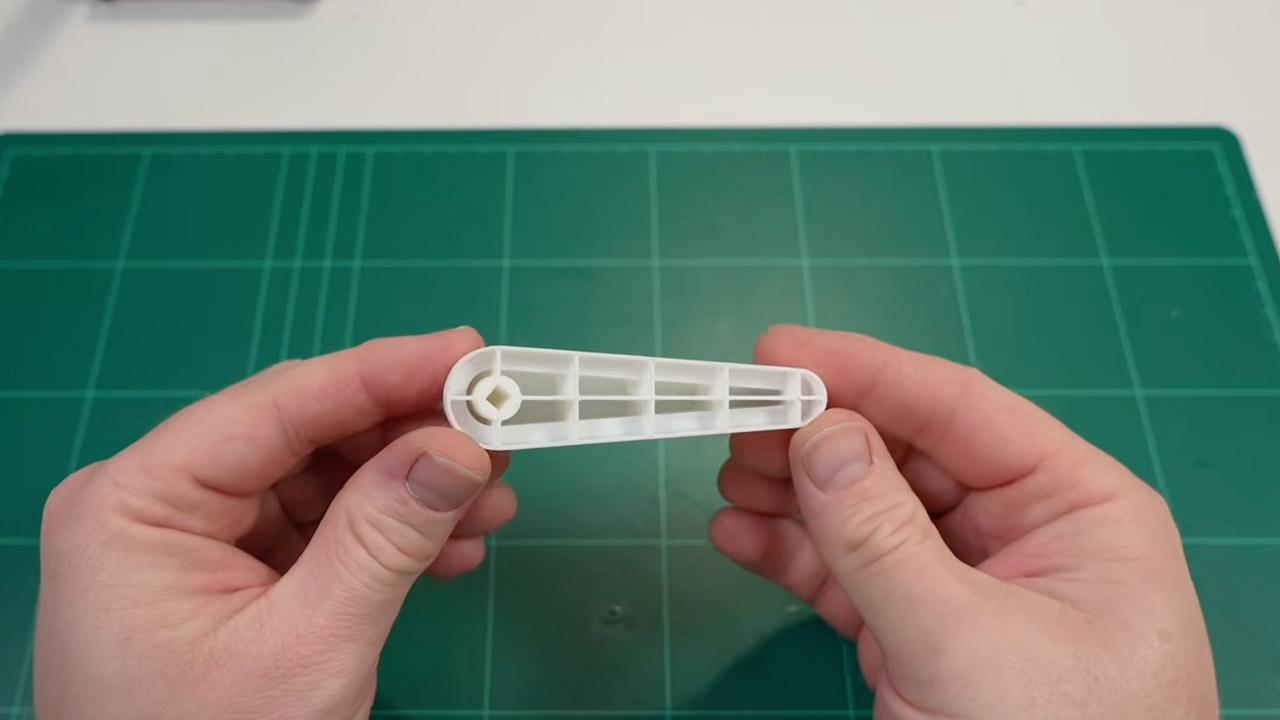
Flippers are still a work in progress; they’re printed in white PLA and lightened with hollow portions, with red TPU bands for grip and steel shafts and bearings for smooth operation. He still needs to fix the solenoid, since the current ones lack some power, but he’s looking for some stronger replacements to get them operating properly in future versions.
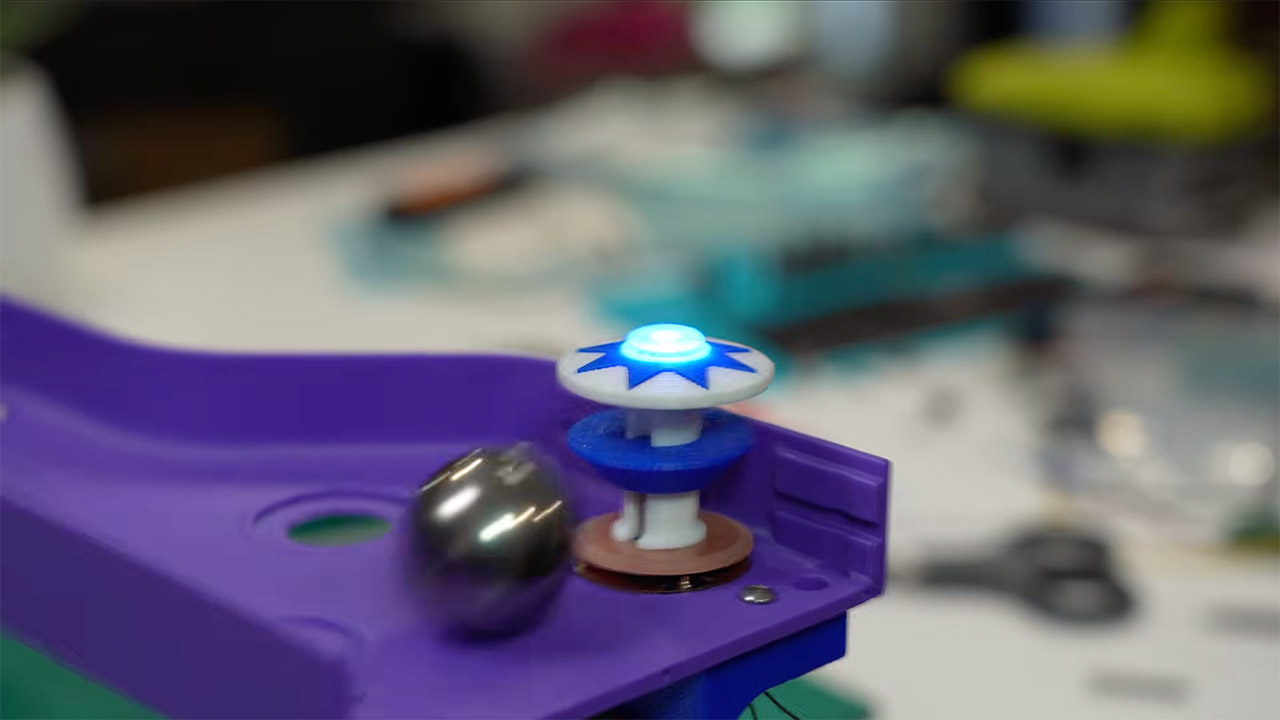
Custom circuit boards from PCBWay keep the wiring for solenoids, sensors, and lights organized, while laser-cut acrylic from an OMTech machine gives a unique touch to the lighted pieces. Of course, he keeps things honest by rolling a conventional metal ball around the field. One little element remains on the to-do list: the playfield artwork. He needs some high-resolution files that exactly match the original game, but the source material from the mid-1990s lacks the necessary detail. He’s looking for a professional artist to come in and perform some new handwork on the visuals.
[Source]
A Maker Builds Space Cadet Pinball for Real Hands, Goes from Screen to Steel
#Maker #Builds #Space #Cadet #Pinball #Real #Hands #Screen #Steel