1986 BBC Broadcast Demonstrates Electronic Mail That Let You Send Instant Messages from a Foreign Payphone
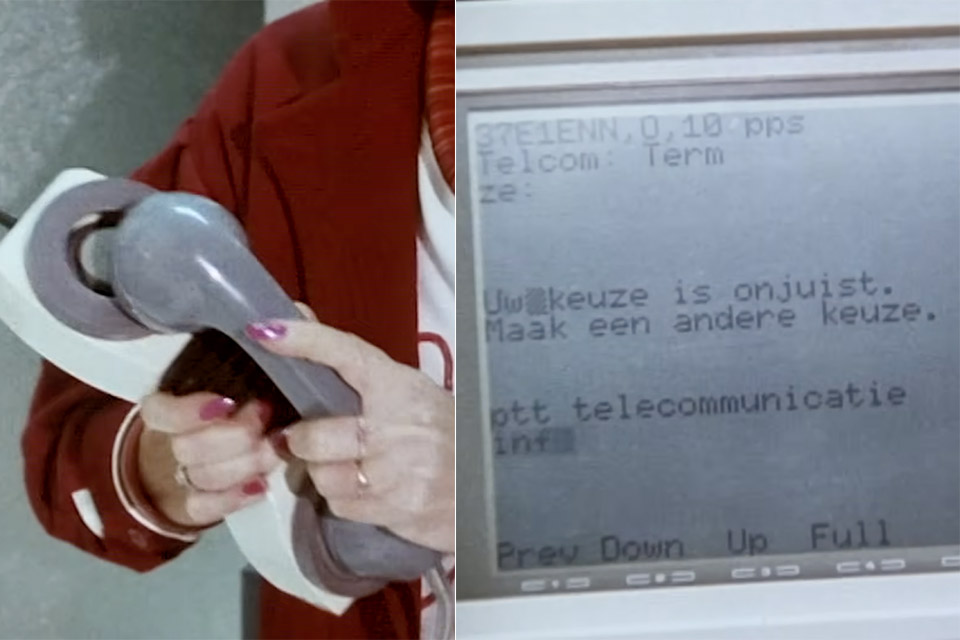
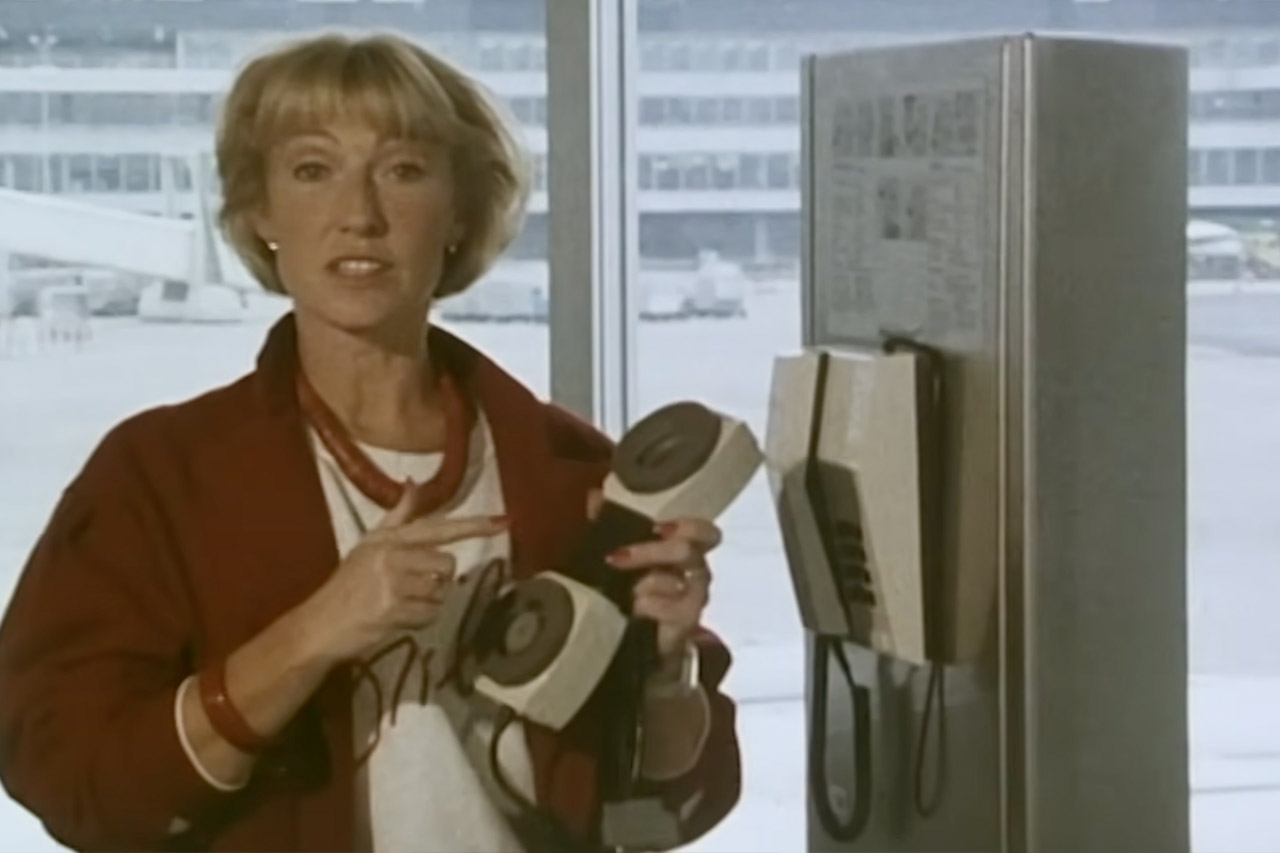
Lesley Judd stepped off a plane at Schiphol Airport near Amsterdam carrying a chunky portable computer and a small device called an acoustic coupler. In December 1986, most people had never heard of electronic mail. Micro Live, the BBC’s weekly technology program, set out to change that by following Judd as she showed exactly how this new way of sending written messages worked for someone constantly on the move.
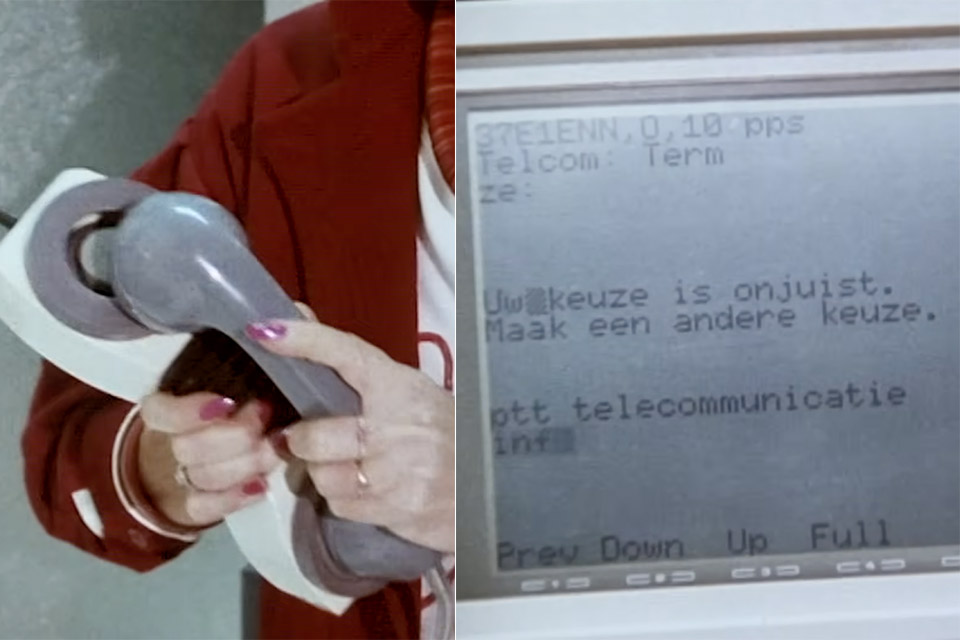
Viewers see Judd explain how she spent her flight from London typing away at her keyboard, churning out messages and screenplays to keep herself occupied, with no phone ringing to break the solitude. Once she arrived, the typical issues arose: getting through on a long-distance call proved to be an expensive proposition, the connection was shaky at best, and trying to get some data through on a public phone while pouring coins into the machine felt like wrestling an octopus. So Judd found a local Dutch data provider that connected to the worldwide network and gave it a shot. She discovered a payphone that had been left in working order, connected the acoustic coupler to the handset, inserted a guilder, and plugged in her computer.
Sale

Google Pixel 10a – Unlocked Android Smartphone – 7 Years of Pixel Drops, 30+ Hours Battery, Camera Coach…
- Google Pixel 10a is a durable, everyday phone with more[1]; snap brilliant photography on a simple, powerful camera, get 30+ hours out of a full…
- Unlocked Android phone gives you the flexibility to change carriers and choose your own data plan; it works with Google Fi, Verizon, T-Mobile, AT&T…
- Pixel 10a is sleek and durable, with a super smooth finish, scratch-resistant Corning Gorilla Glass 7i display, and IP68 water and dust protection[4]
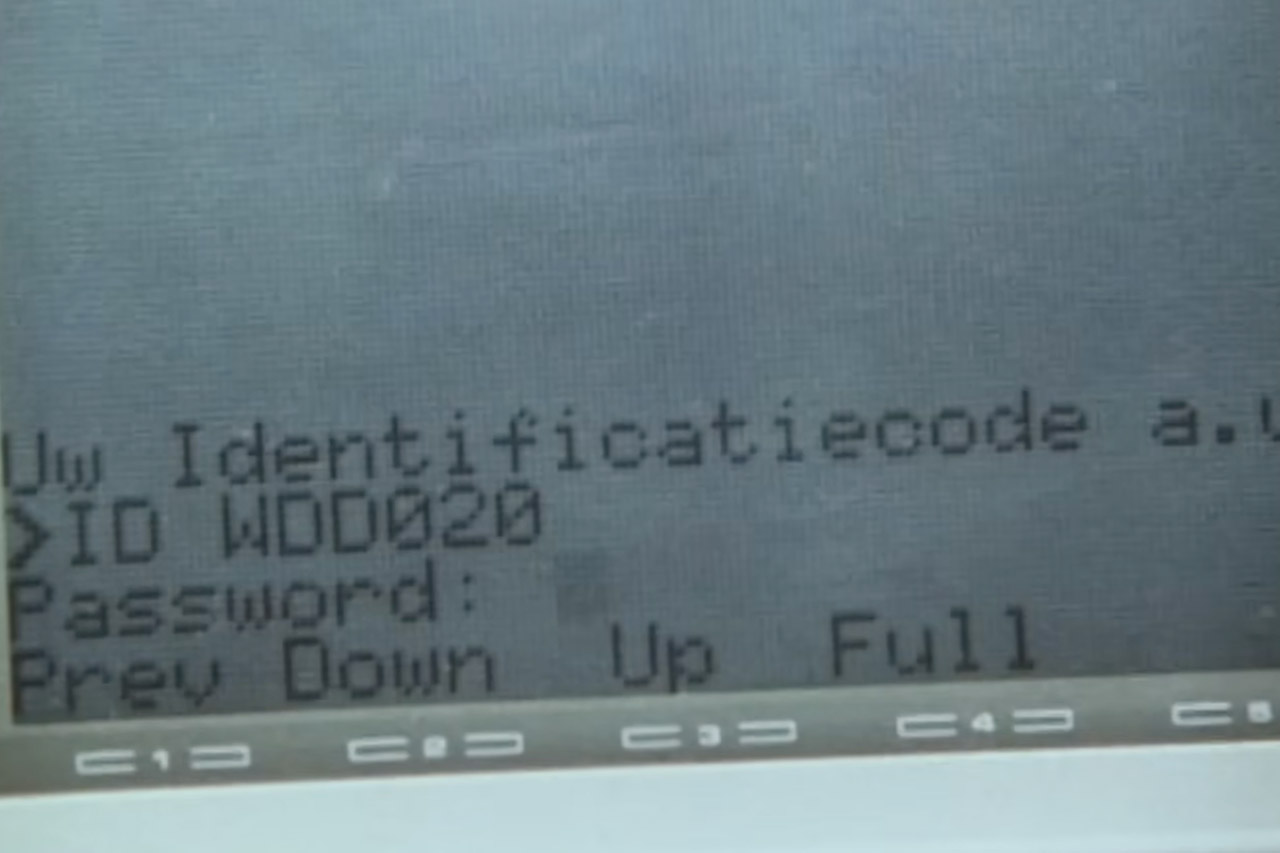
The steps on the screen were crystal clear, as Judd selected Telecom mode on her machine, dialed the local number, and logged into the Dutch system with a temporary ID and password. She then typed a simple command, and a packet switching network appeared, dumping her directly into Telecom Gold in Britain, where her mail box was waiting. When logging in with her BBC 007 ID, she had no trouble uploading the text from her airline trip, which she sent to a coworker known as BBC 001. At each point, the system patted her on the back, displaying ‘excellent job’ numbers on the screen. Before you could say “it was easy,” she’d sent a host of work back home without having to make a single long distance call.
Electronic mail works by connecting your computer to the phone lines, either via a modem or a coupler. This implies that communications travel as data packets rather than voice, making them much clearer and faster over long distances than trying to get the text out over a shaky phone connection. Judd believed that the longer the message, the more useful it became; a brief remark might not be worth the effort, but a few pages of work or thorough instructions would pay for the local call several times over.
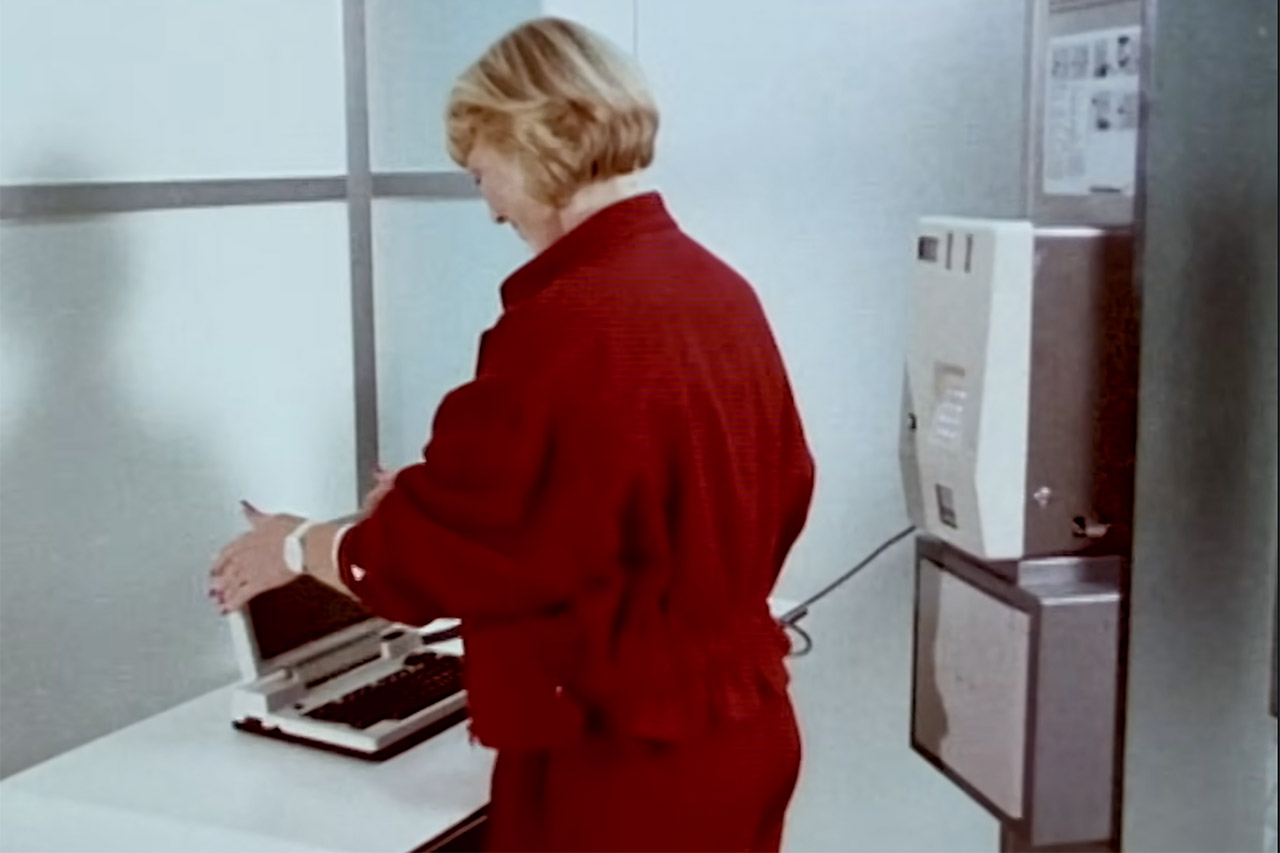
It dawned on the audience that the true benefit of mail would come once you’d learnt the ropes. Judd signs off from the Dutch service, and her message is already in the recipient’s mailbox back home. At the same time, the segment acknowledges that getting set up properly was not always the easiest option, since you had to pay a registration fee followed by a monthly charge, and there was no international agreement allowing tourists to use a foreign network and receive a single payment. In some nations, it was much more difficult to get started than in the Netherlands. So, unless phone providers improved their billing and connection systems, most individuals would be unable to use this technology.
[Source]
1986 BBC Broadcast Demonstrates Electronic Mail That Let You Send Instant Messages from a Foreign Payphone
#BBC #Broadcast #Demonstrates #Electronic #Mail #Send #Instant #Messages #Foreign #Payphone